
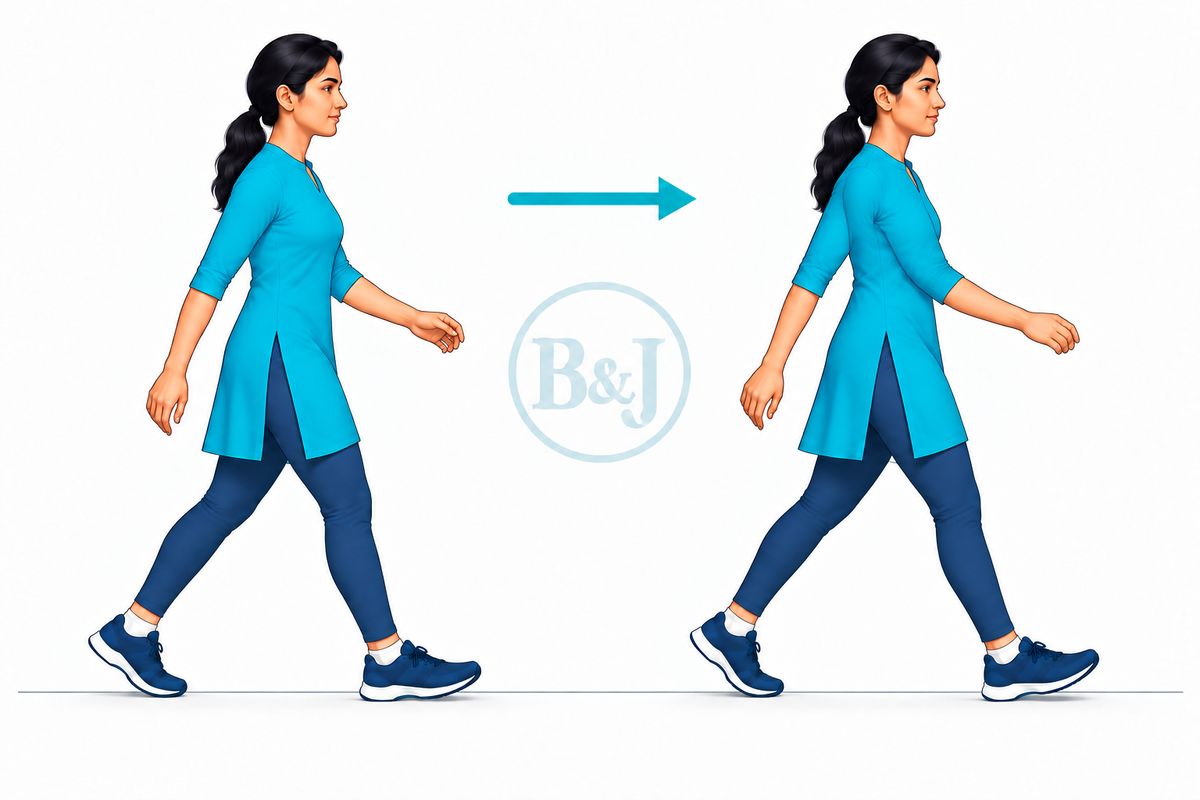
Walking
Brisk walking keeps you active and helps your balance. The sit-to-stand and heel-drop exercises add the extra load bones need.
- 30 minutes
- Most days
Should feel: Comfortable exercise Should not feel: Sudden back pain — stop and tell us
Home / Patient library / Exercise sheets / Sheet 50
Bone & joint disease · Osteoporosis
A4 PDF, 0.4 MB. Free to download — no sign-up, no email address needed.
Brisk walking keeps you active and helps your balance. The sit-to-stand and heel-drop exercises add the extra load bones need.
Should feel: Comfortable exercise Should not feel: Sudden back pain — stop and tell us
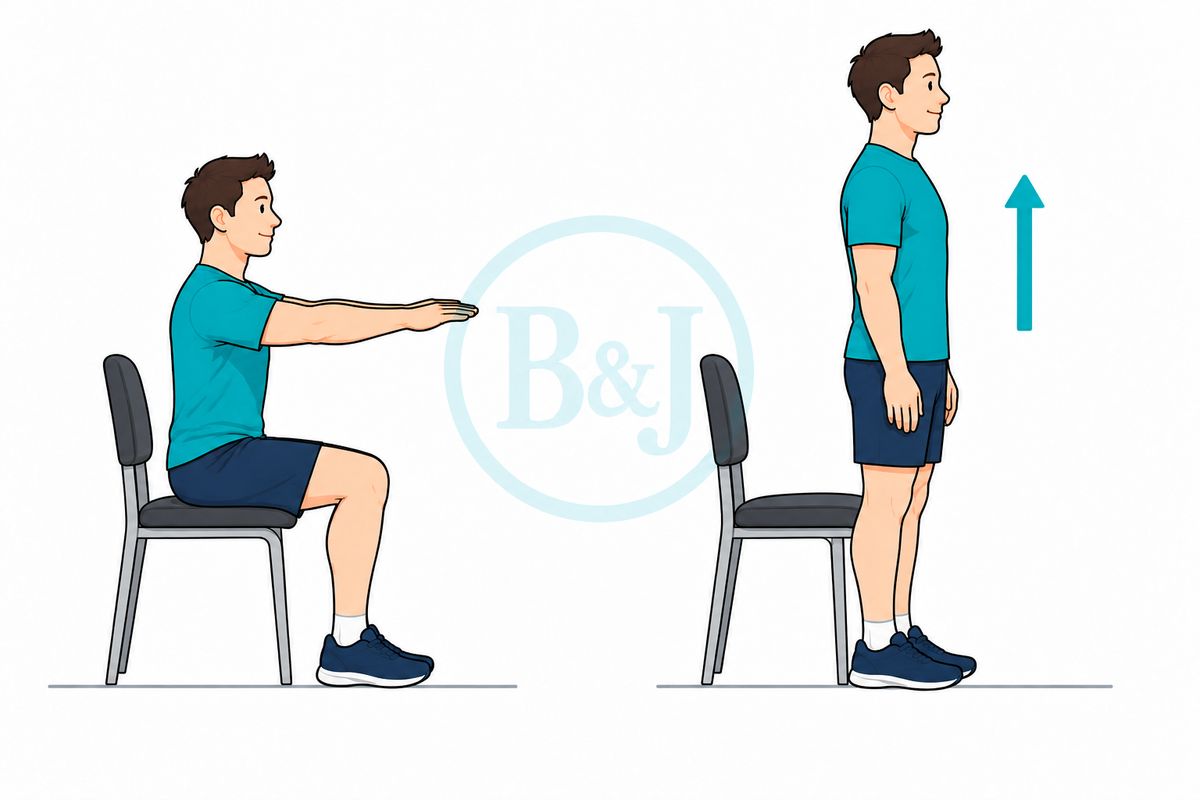
Sit near the front of a firm chair, feet flat and slightly apart. Lean forward and stand up without using your hands if you can, then sit down slowly. Use the armrests if you need to. When this is easy, hold a bag with some weight in it.
Should feel: The thighs and buttocks working Should not feel: Back pain or dizziness
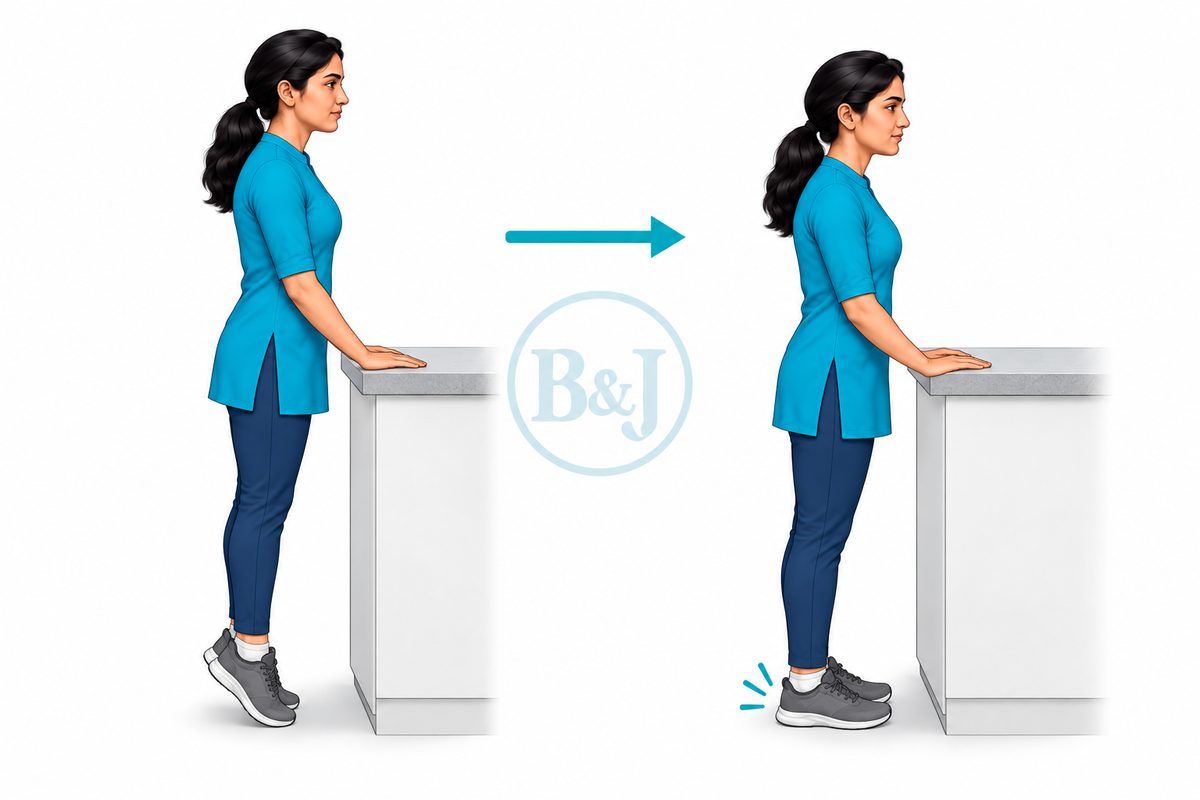
Hold a worktop. Rise onto your toes, then drop down onto your heels with a firm thump. If you have had a fracture in the spine, or this causes pain, leave it out until we agree.
Should feel: A firm jolt through the heels and legs Should not feel: Back or hip pain
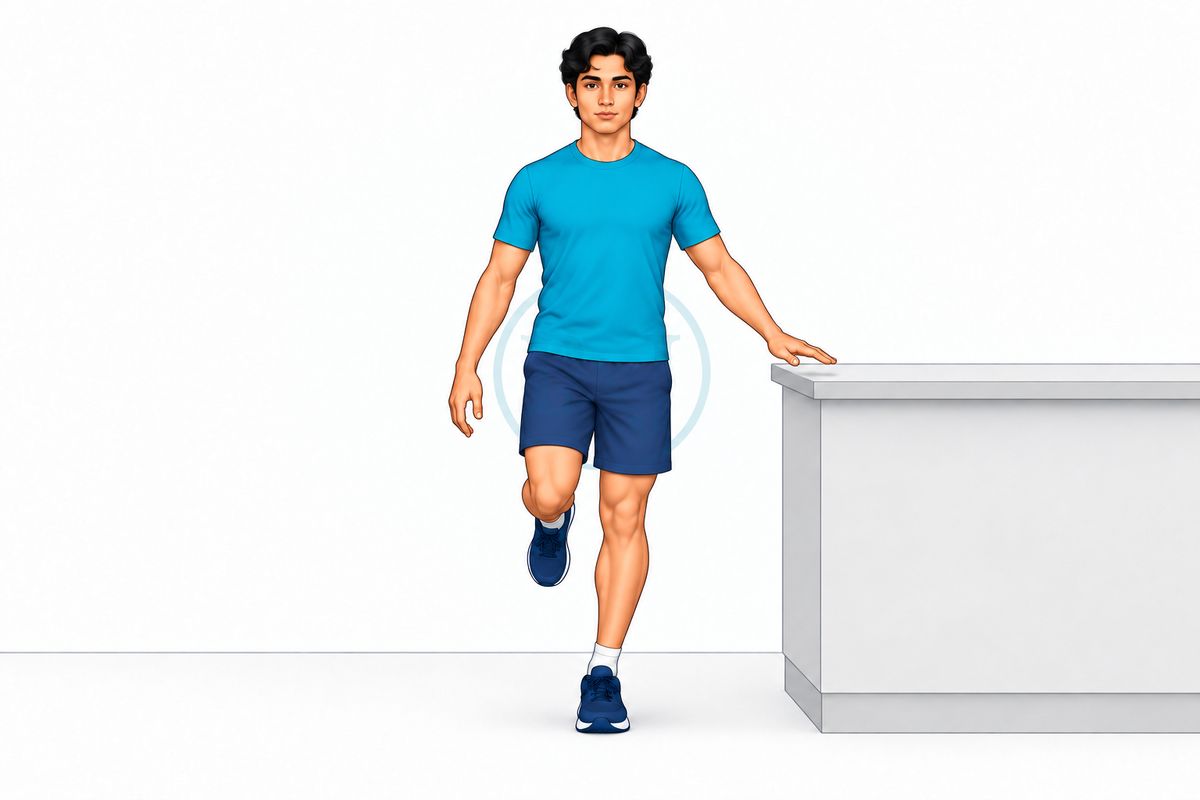
Stand on one leg beside a worktop. Balance prevents falls, and preventing falls prevents fractures.
Should feel: Working to stay steady Should not feel: Losing balance — hold on
Walk heel to toe along a line, beside a support.
Should feel: Steadier walking Should not feel: Wobbling — use the wall
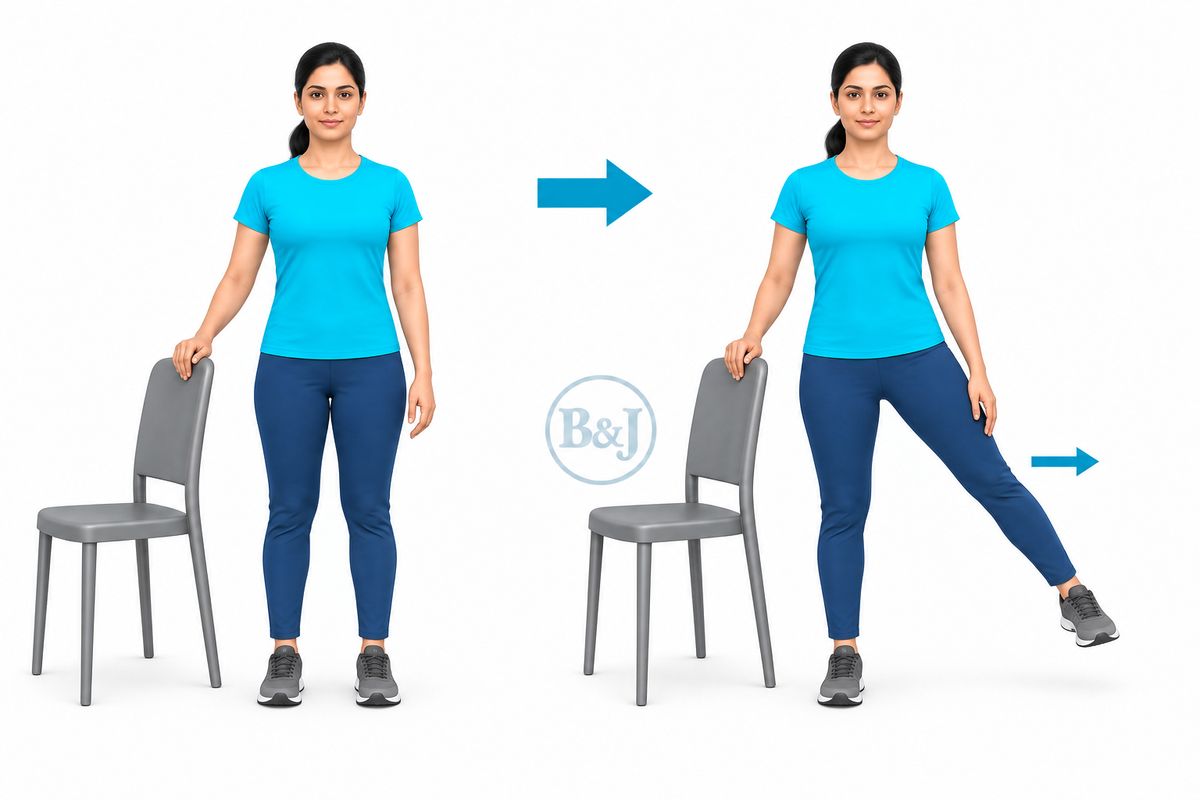
Lift the leg out to the side, holding a support.
Should feel: The hip working Should not feel: Back pain
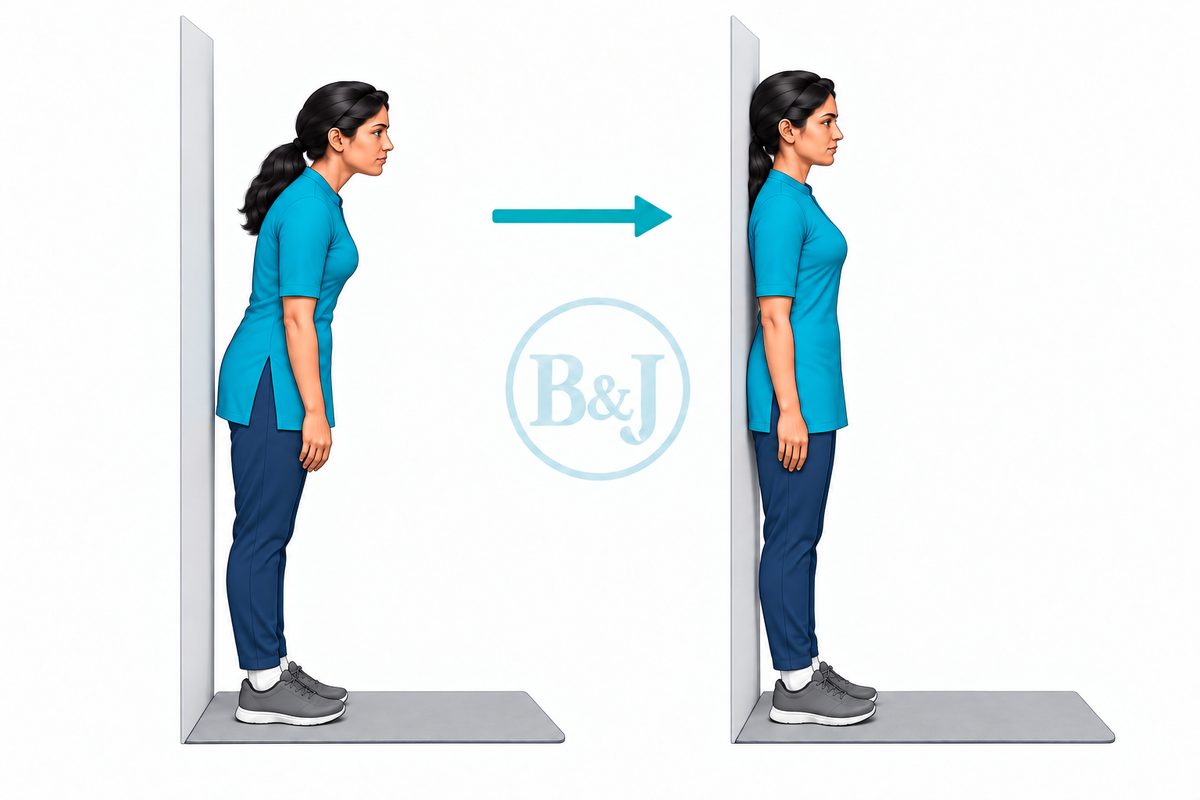
Stand with your back against a wall, heels a little away from it. Gently draw the shoulder blades back and down and lengthen the back of the neck, so the back of the head moves towards the wall. Keep the chin level; do not tip the head back. Hold, then relax.
Should feel: The muscles between the shoulder blades working, and standing taller Should not feel: Sharp pain in the back — stop
In your language, free to download. Each one is a short PDF you can keep on your phone or print.
Call either clinic during consulting hours, or send a WhatsApp message any time.