
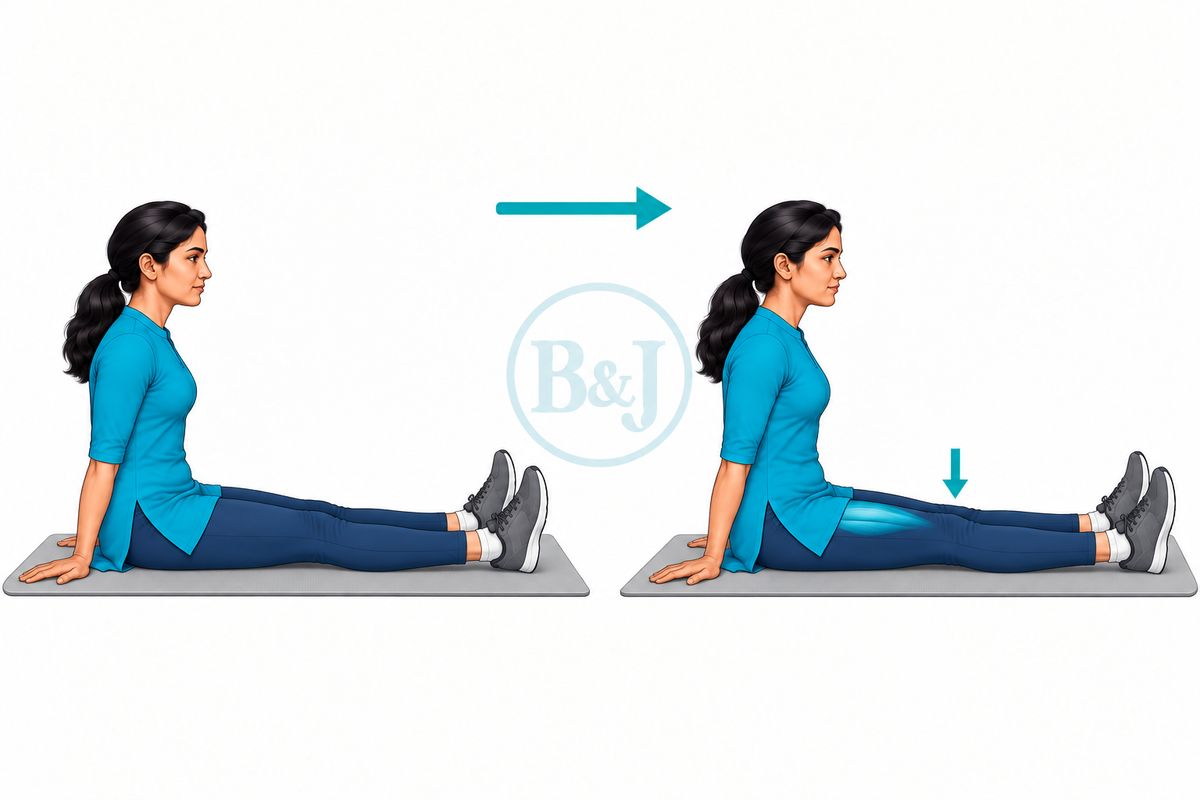
Quad sets
Tighten the thigh with the leg straight.
- Hold 5 seconds
- 15 times
Should feel: The thigh working Should not feel: Kneecap pain
Home / Patient library / Exercise sheets / Sheet 32
Hip & knee · Kneecap pain
A4 PDF, 0.4 MB. Free to download — no sign-up, no email address needed.
Tighten the thigh with the leg straight.
Should feel: The thigh working Should not feel: Kneecap pain
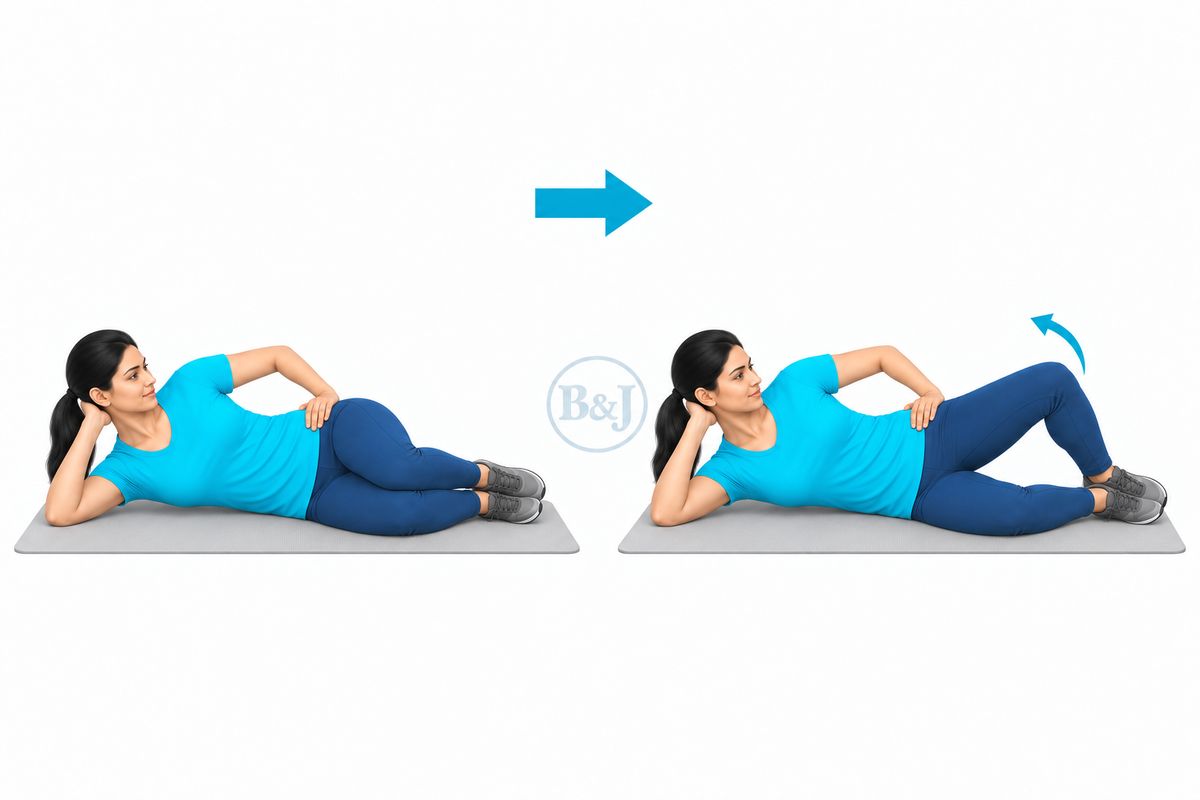
Lie on your side, knees bent. Lift the top knee, keeping the feet together and the hips still.
Should feel: The side of the buttock working Should not feel: The hips rolling back
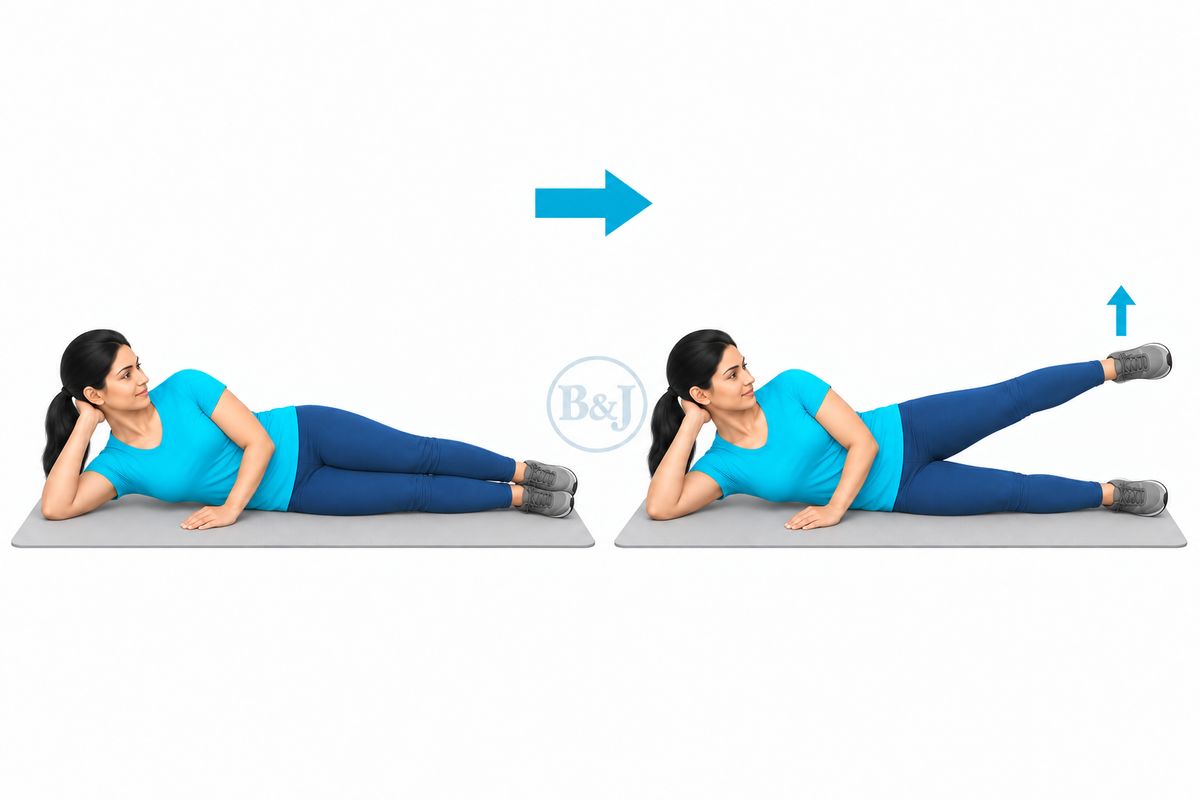
Lie on the UNAFFECTED side. Lift the top leg straight up.
Should feel: The side of the hip working Should not feel: Back pain
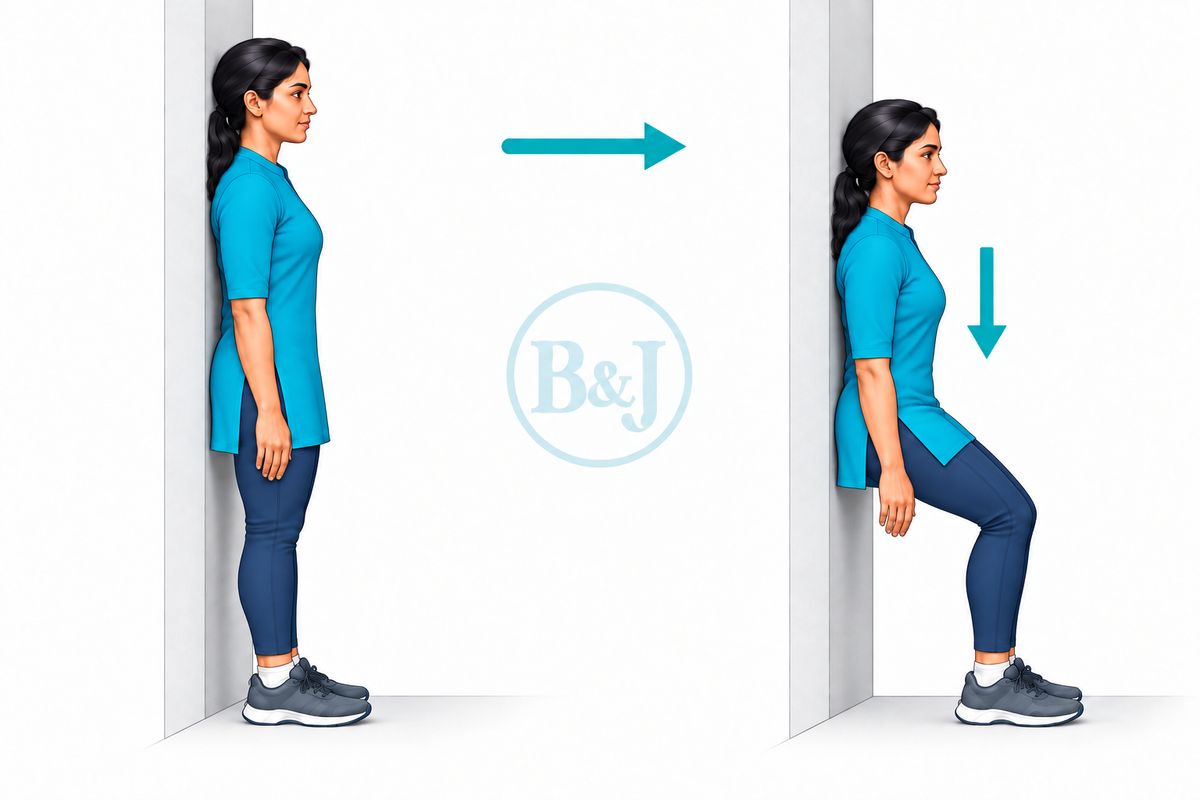
Stand with your back against a wall, feet hip-width apart and about one foot-length out from the wall. Slide down a little way, no lower than a quarter squat, hold, then slide back up. Keep the knees in line with the toes.
Should feel: The thighs working Should not feel: Pain at the front of the kneecap — slide down less
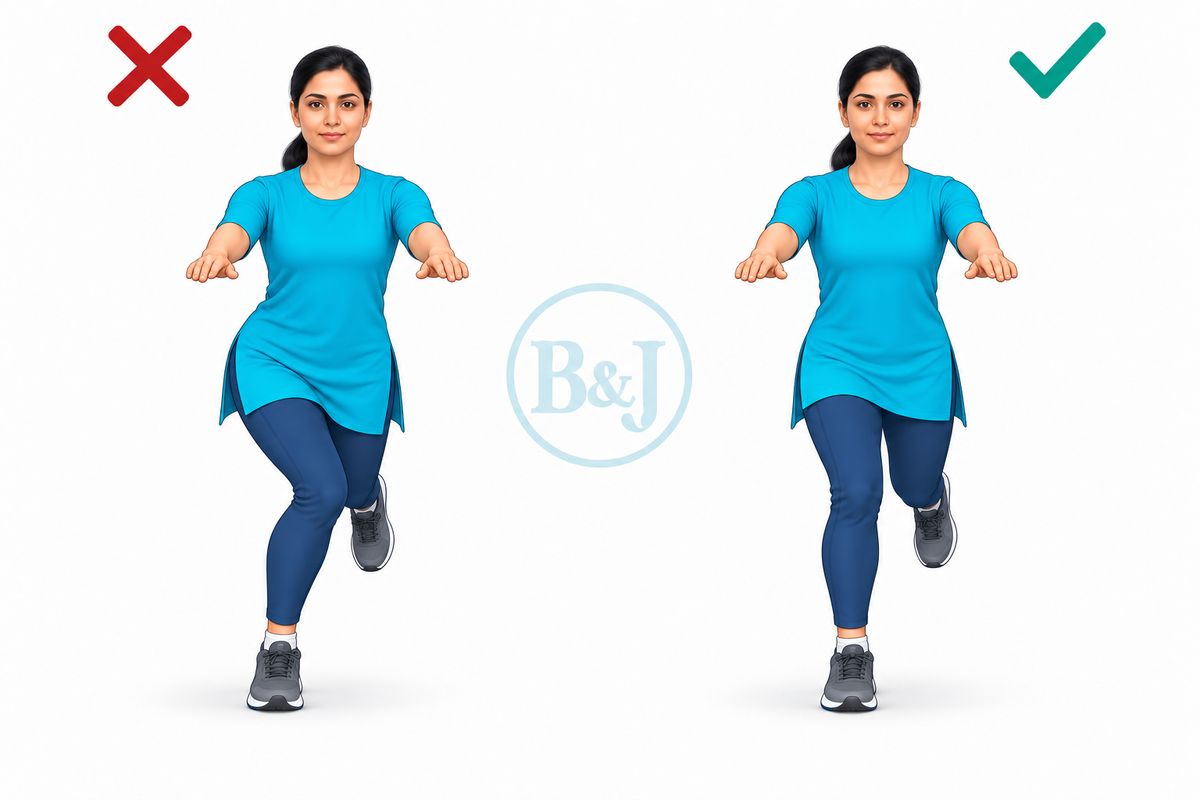
Stand on one leg in front of a mirror, lightly holding a chair. Bend the knee slightly, keeping it over the second toe — not falling inwards — then straighten.
Should feel: The hip and thigh working Should not feel: The knee collapsing inwards
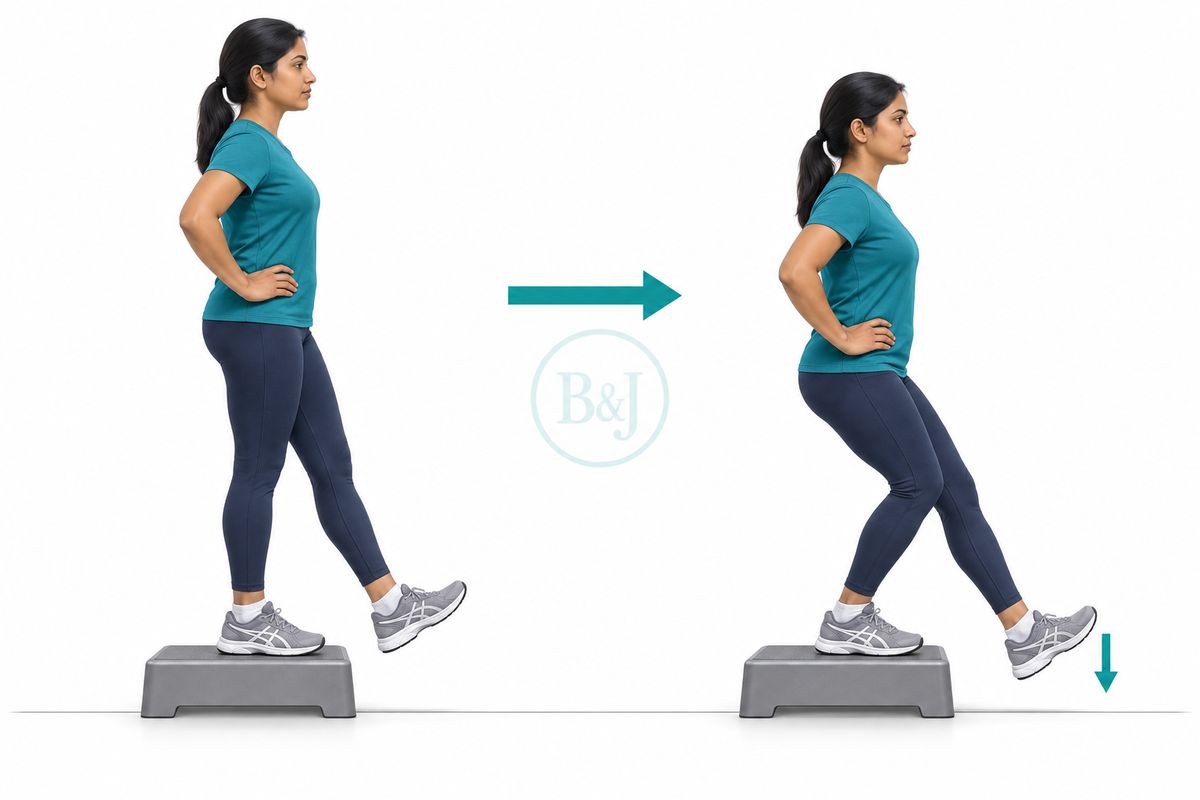
Stand on a low step on the painful leg, holding a rail or wall if you need to. Slowly lower the other heel towards the floor, keeping the knee over the second toe, then straighten.
Should feel: Controlled lowering Should not feel: The knee falling inwards
In your language, free to download. Each one is a short PDF you can keep on your phone or print.
Call either clinic during consulting hours, or send a WhatsApp message any time.