
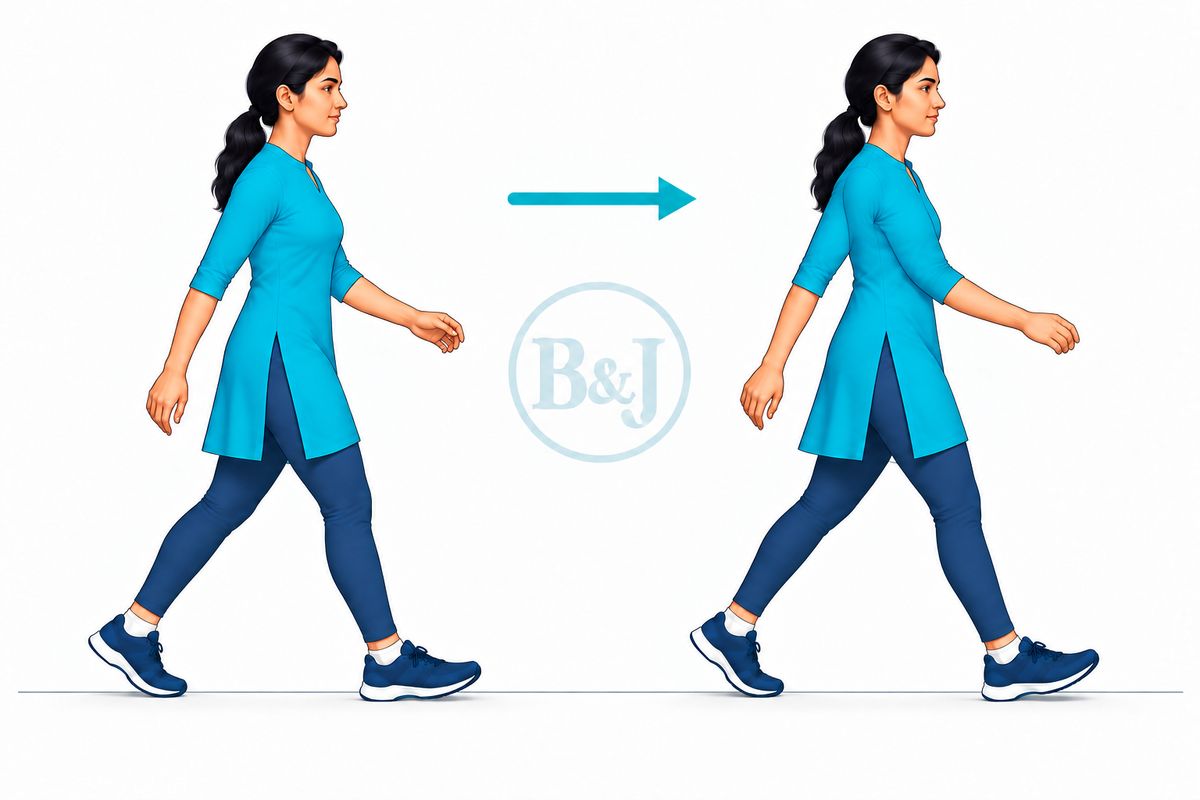
Walking
Walk in short blocks. Sit before the pain builds, then carry on.
- Little and often
- Every day
Should feel: Distance building slowly Should not feel: Pushing through heavy legs
Home / Patient library / Exercise sheets / Sheet 90
Neck & back · After spine surgery
Count the weeks from the day of your operation. The date is on your discharge card.
If your doctor wrote a different plan on your prescription, follow that instead of this page.
A4 PDF, 0.4 MB. Free to download — no sign-up, no email address needed.
Walk from the day after the operation: short walks, often, a little further each day. To get out of bed, roll onto your side first, then push up with your arms. Sit for no more than 20–30 minutes at a time, then walk or lie down. Keep the wound dry until the stitches are out.
Weight bearing Full. Walk as much as is comfortable.
Walk in short blocks. Sit before the pain builds, then carry on.
Should feel: Distance building slowly Should not feel: Pushing through heavy legs
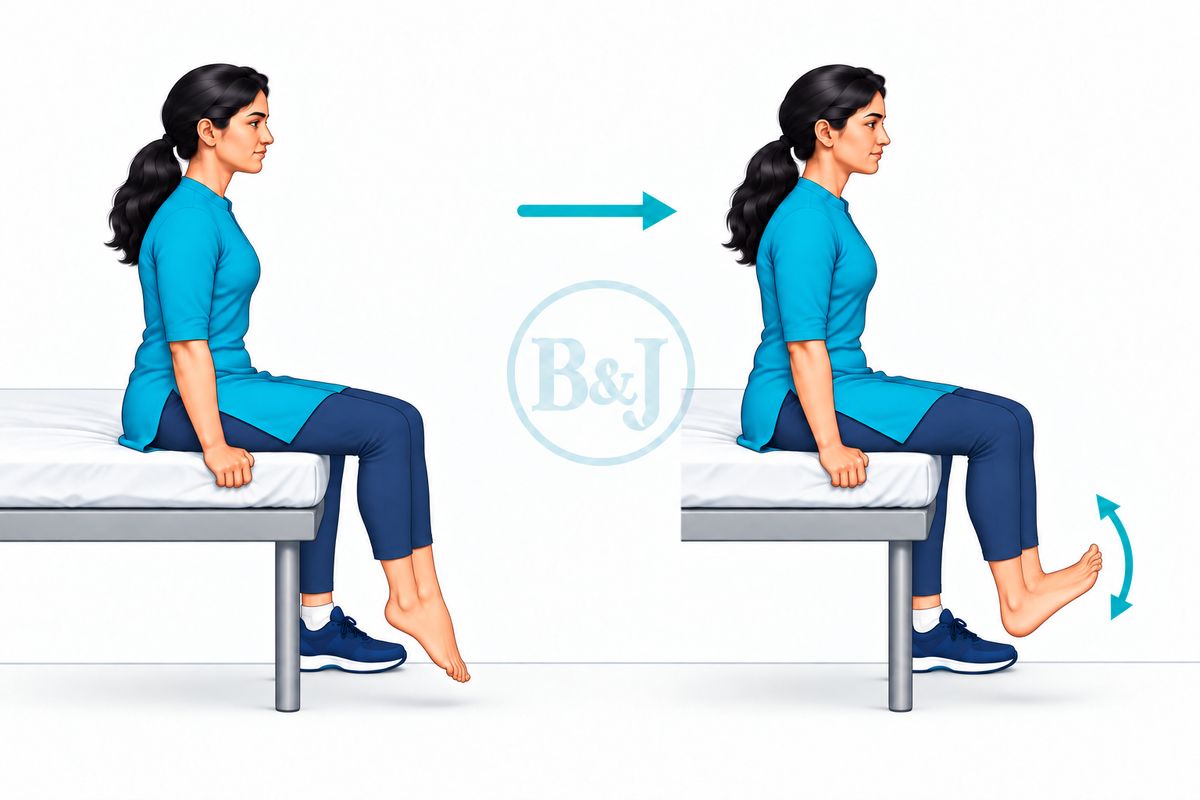
Pump the feet up and down to keep the blood moving.
Should feel: The calf working Should not feel: Calf pain or swelling — tell us
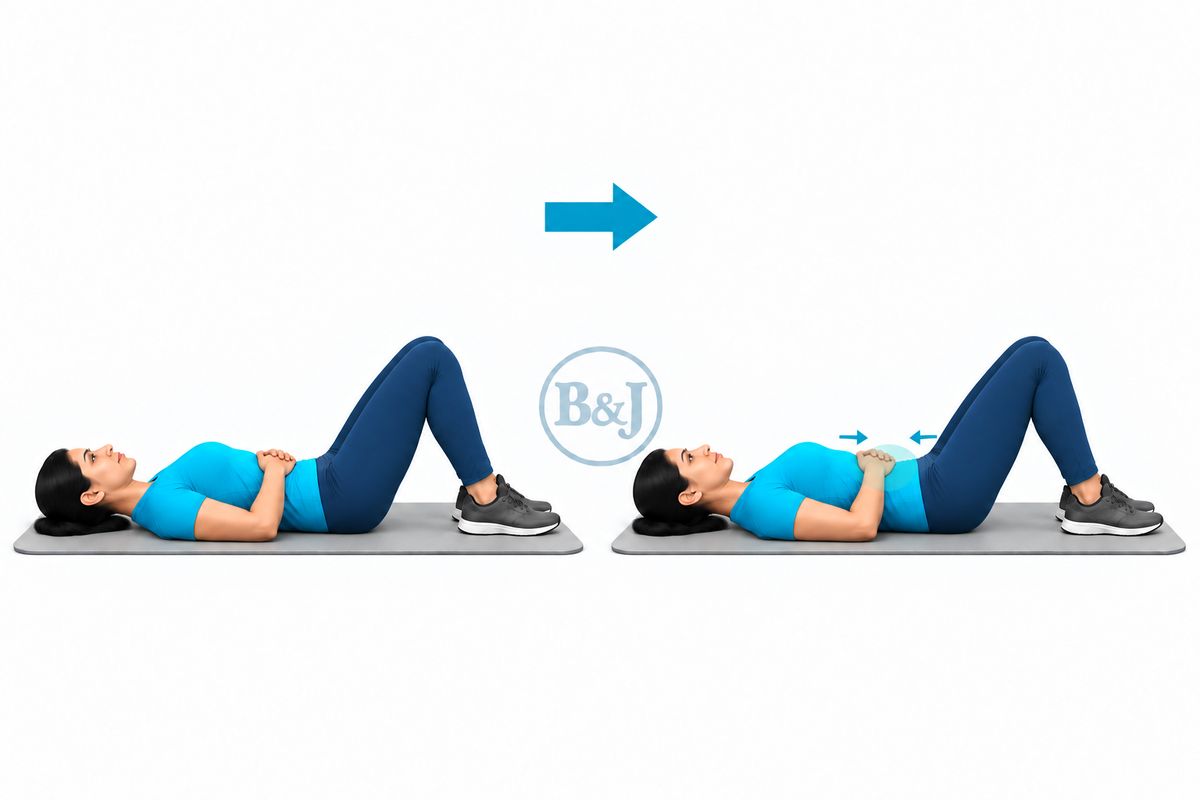
Lie on your back, knees bent. Tighten the tummy gently as if bracing for a poke. Keep breathing.
Should feel: A firm, gentle tension Should not feel: Holding your breath
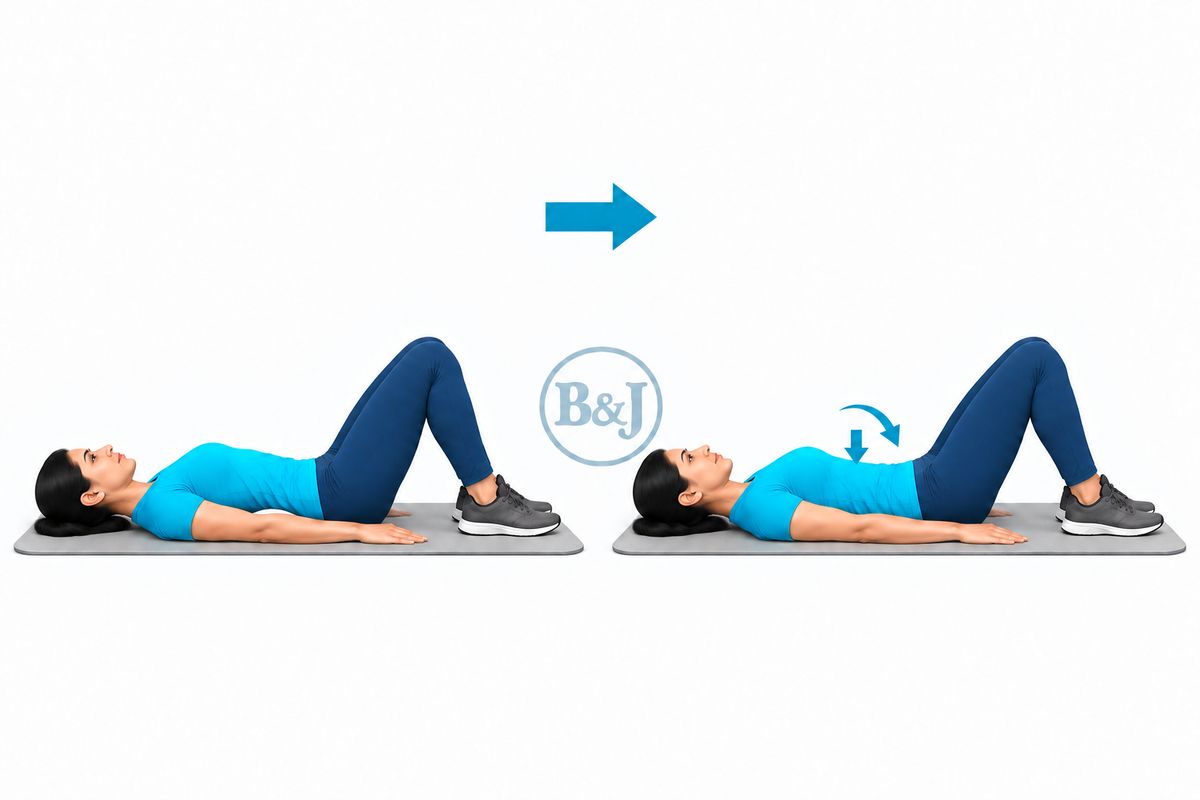
Lie on your back, knees bent. Flatten the small of your back into the floor by tilting the pelvis.
Should feel: The lower tummy muscles working Should not feel: Increasing back pain
Not yet Bending forward to lift, twisting, lifting anything heavier than a full glass of water, or driving. Sitting on the floor, squatting or using an Indian toilet — until we have told you it is safe.
Move to the next stage only after we have seen you, and the X-ray if one was planned.
Stitches out. Walk longer each day, building up to 30 minutes. Start the gentle back exercises. Carry on with the earlier exercises.
Weight bearing Full.
Weight-bearing walking loads the bone and helps it stay strong.
Should feel: Comfortable exercise Should not feel: Sudden back pain — stop and tell us
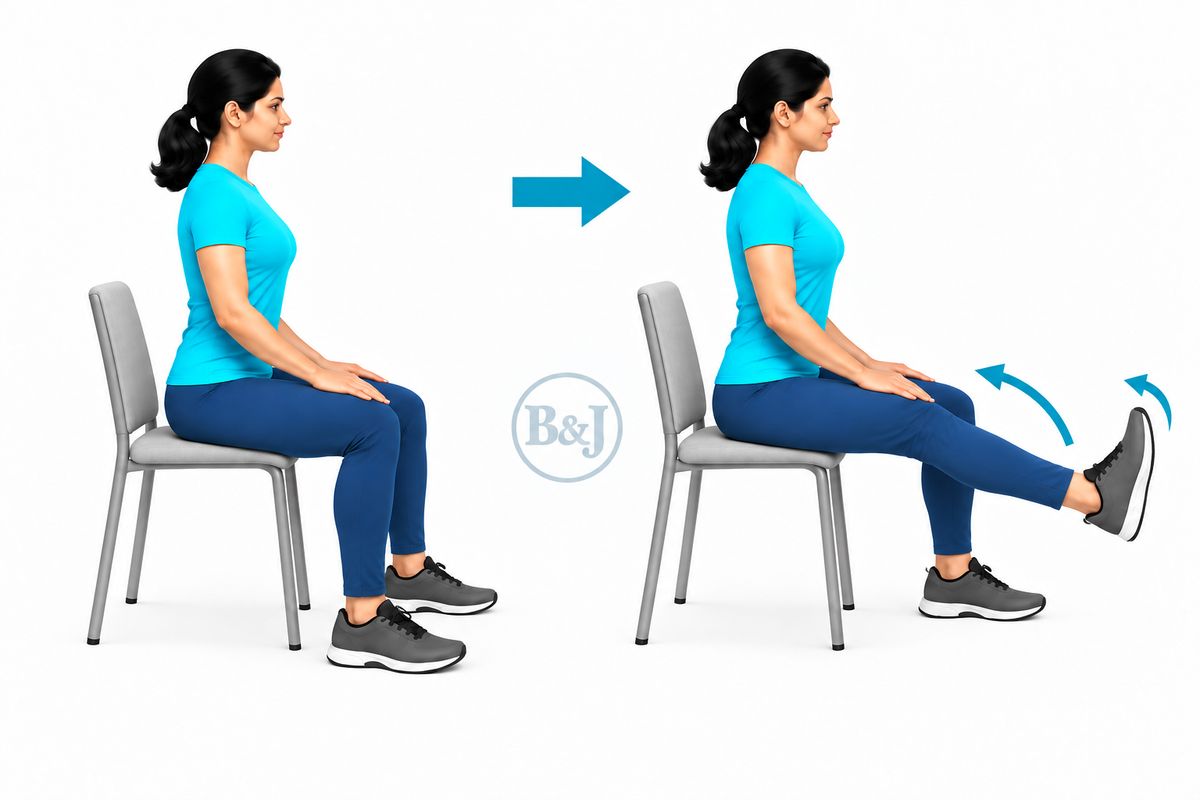
Sit tall. Straighten one knee and pull the toes up, then bend it back. Move gently — this is a glide, not a stretch.
Should feel: A gentle pulling down the leg Should not feel: Sharp or lasting increase in leg pain
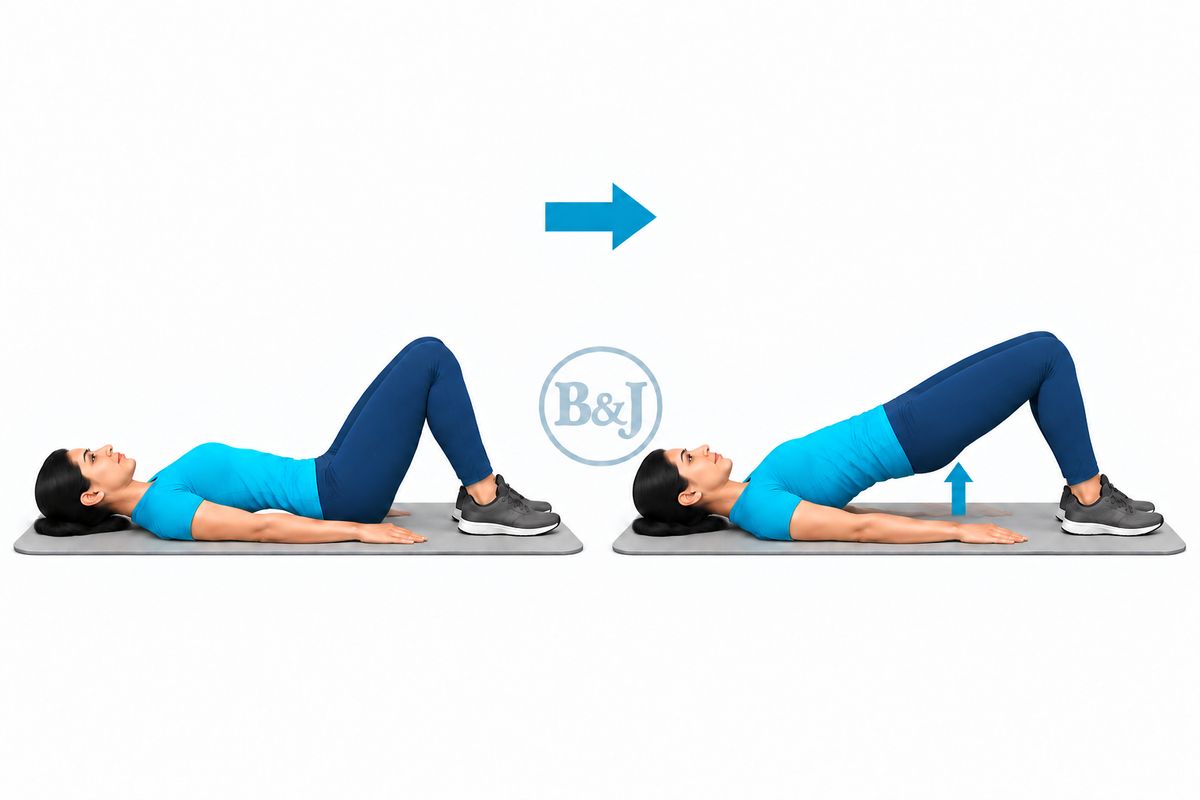
Lie on your back, knees bent. Lift your hips off the floor, hold, then lower.
Should feel: The buttocks and back of thighs working Should not feel: Cramp, or back pain
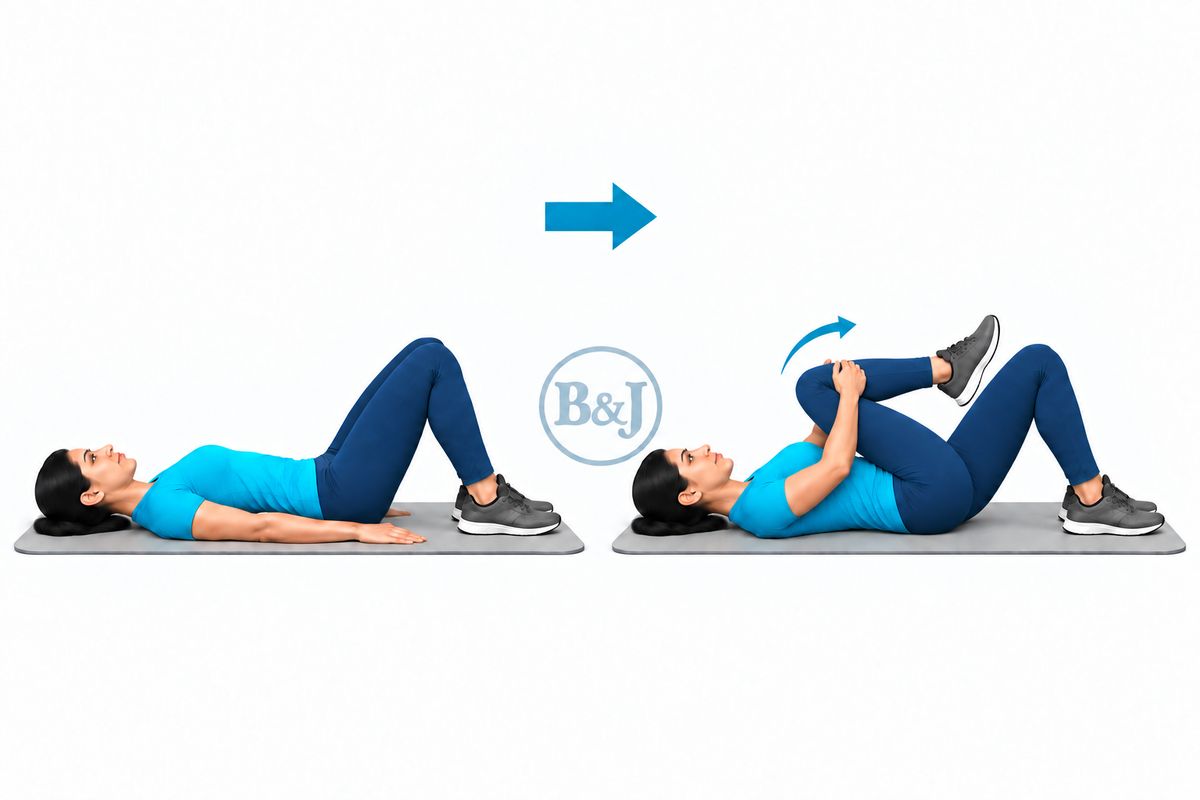
Lie on your back. Bring one knee up towards your chest, hold, then lower slowly.
Should feel: A stretch in the lower back and buttock Should not feel: Leg pain getting worse
Not yet Heavy lifting, bending and twisting together, or riding a two-wheeler. Sitting on the floor, squatting or using an Indian toilet — until we have told you it is safe.
Move to the next stage only after we have seen you, and the X-ray if one was planned.
Build core strength and go back to work: desk work sooner, heavy manual work usually at about 3 months. Lift with the knees bent and the load close to the body. Carry on with the earlier exercises.
Weight bearing Full.
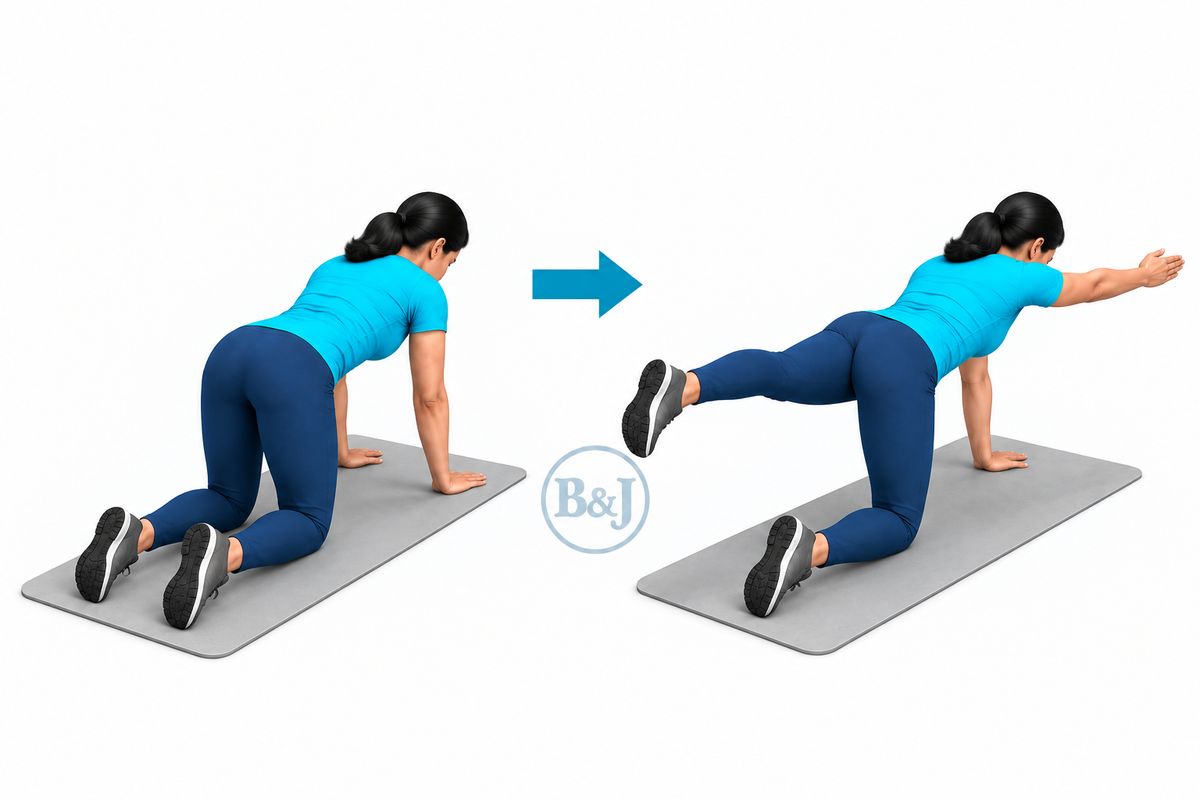
On hands and knees, stretch one arm forward and the opposite leg back. Keep the back still.
Should feel: The back and tummy working together Should not feel: The back arching or twisting
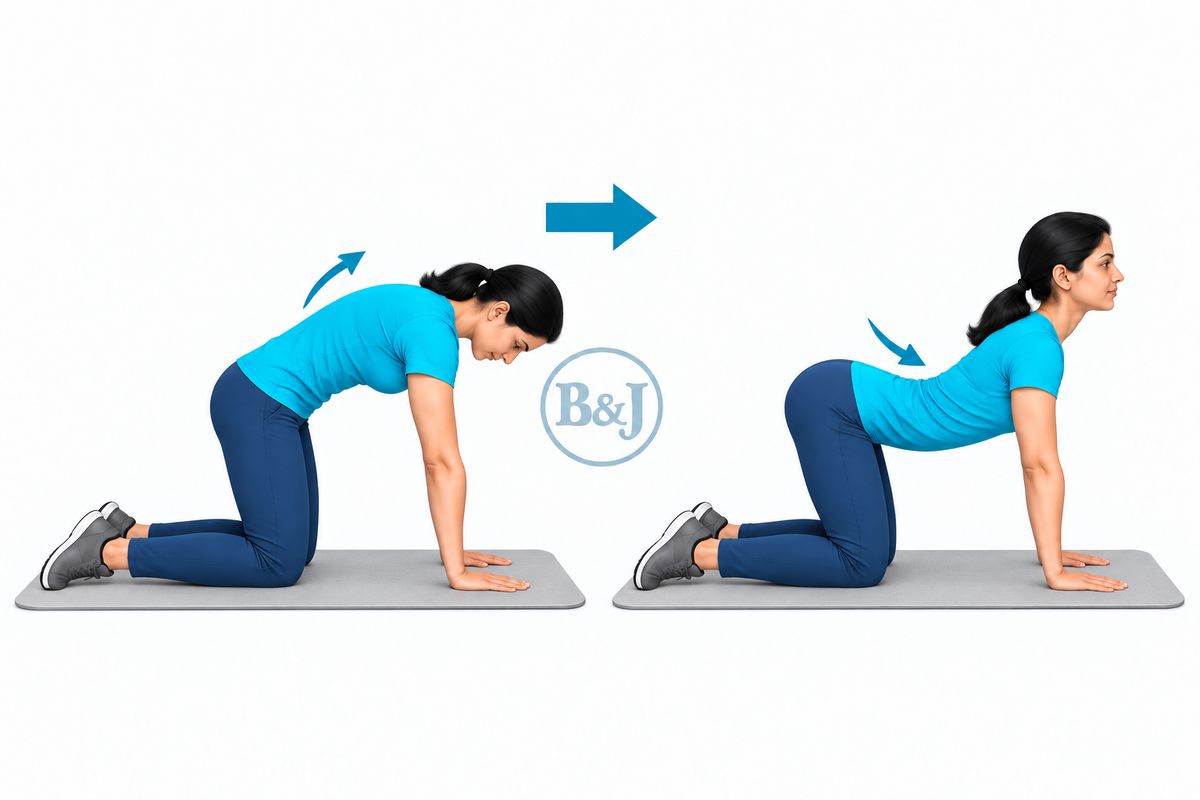
On hands and knees, arch the back up, then let it sag down. Move slowly between the two.
Should feel: The spine moving freely Should not feel: Sharp pain at either end
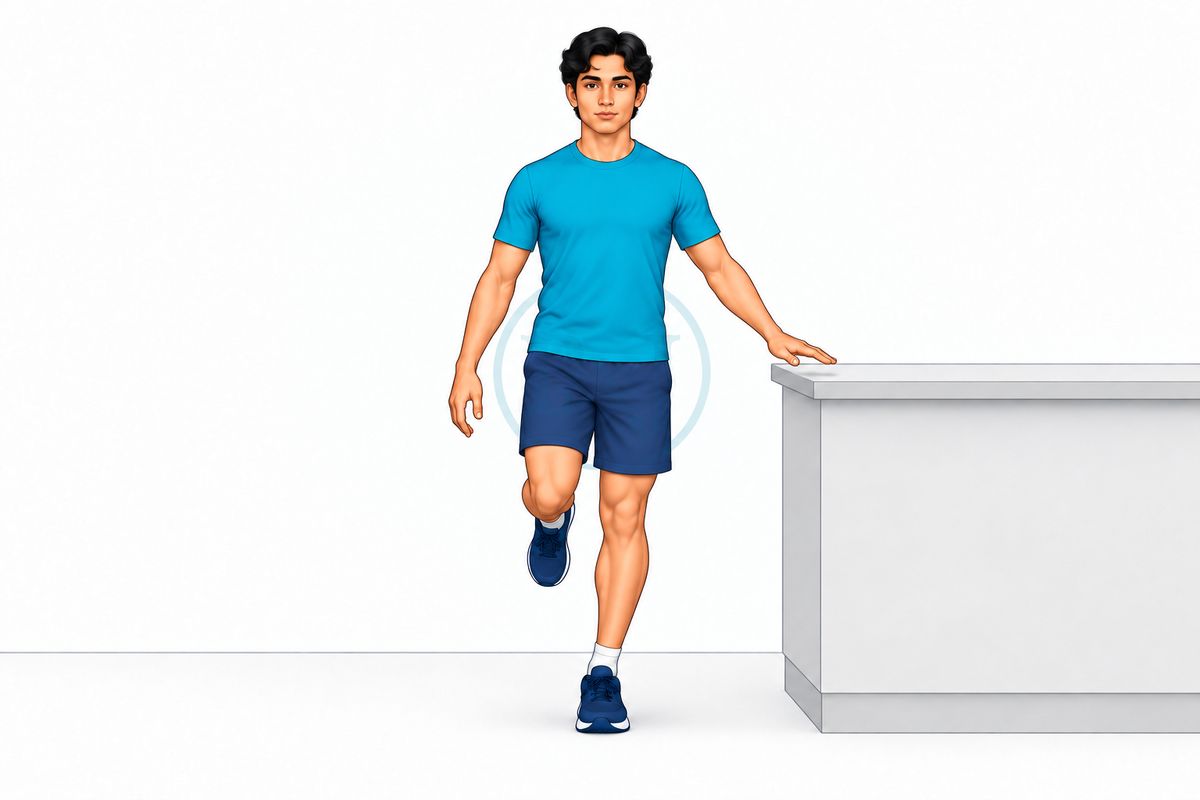
Stand on one leg beside a worktop. Balance prevents falls, and preventing falls prevents fractures.
Should feel: Working to stay steady Should not feel: Losing balance — hold on
Not yet Heavy lifting from the floor until we clear you.
Call either clinic during consulting hours, or send a WhatsApp message any time.