
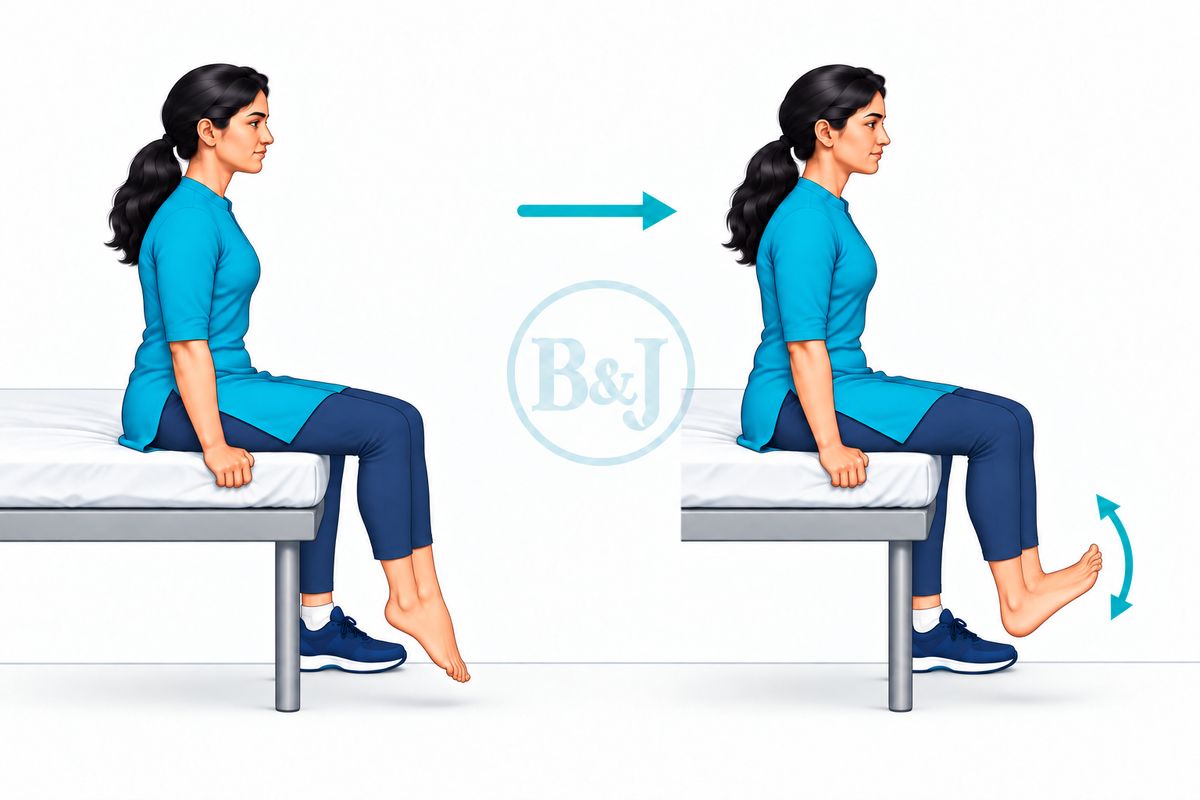
Ankle pumps
Pump the feet up and down to keep the blood moving.
- 10 times
- Every hour
Should feel: The calf working Should not feel: Calf pain or swelling — tell us
Home / Patient library / Exercise sheets / Sheet 71
Hip & knee · After surgery on a broken bone
Count the weeks from the day of your operation. The date is on your discharge card.
If your doctor wrote a different plan on your prescription, follow that instead of this page.
A4 PDF, 0.6 MB. Free to download — no sign-up, no email address needed.
Let the wound and pin sites settle, and start the knee moving.
Weight bearing As we tell you, with a walker.
Pump the feet up and down to keep the blood moving.
Should feel: The calf working Should not feel: Calf pain or swelling — tell us
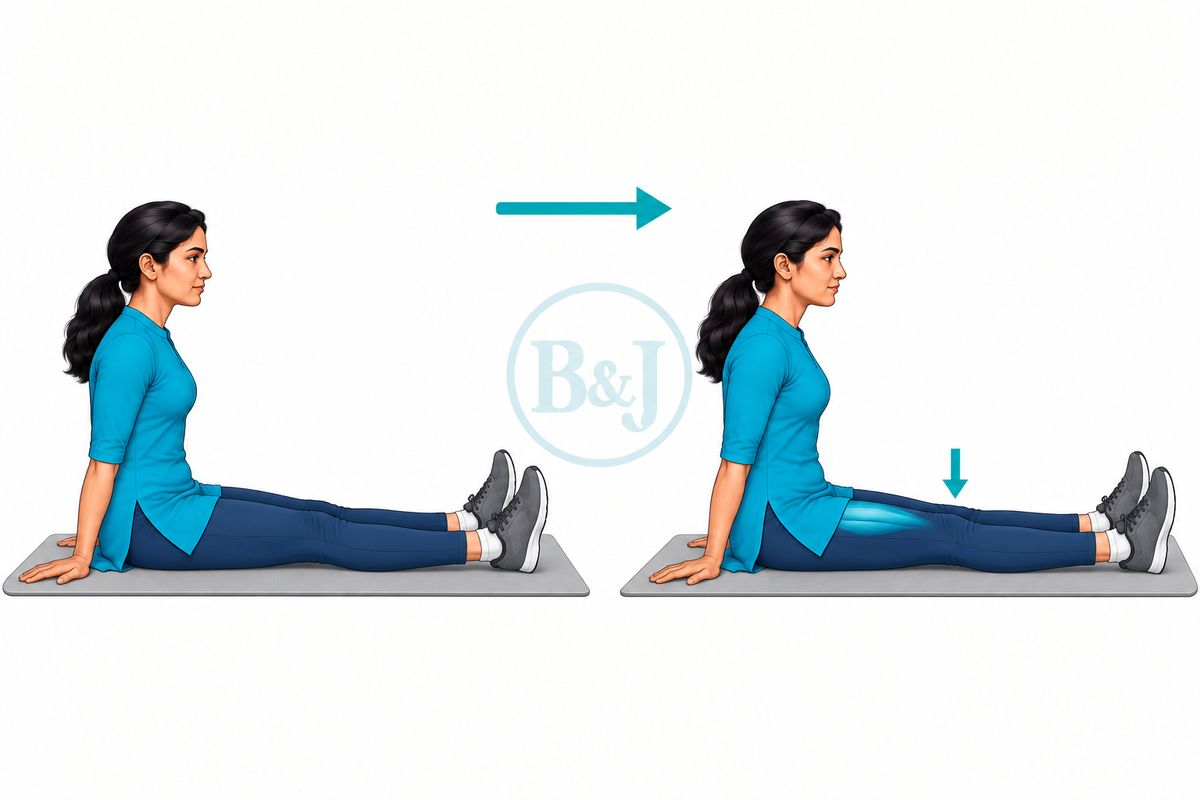
Sit with the leg straight. Press the back of the knee down and tighten the thigh.
Should feel: The thigh muscle tightening Should not feel: Knee pain
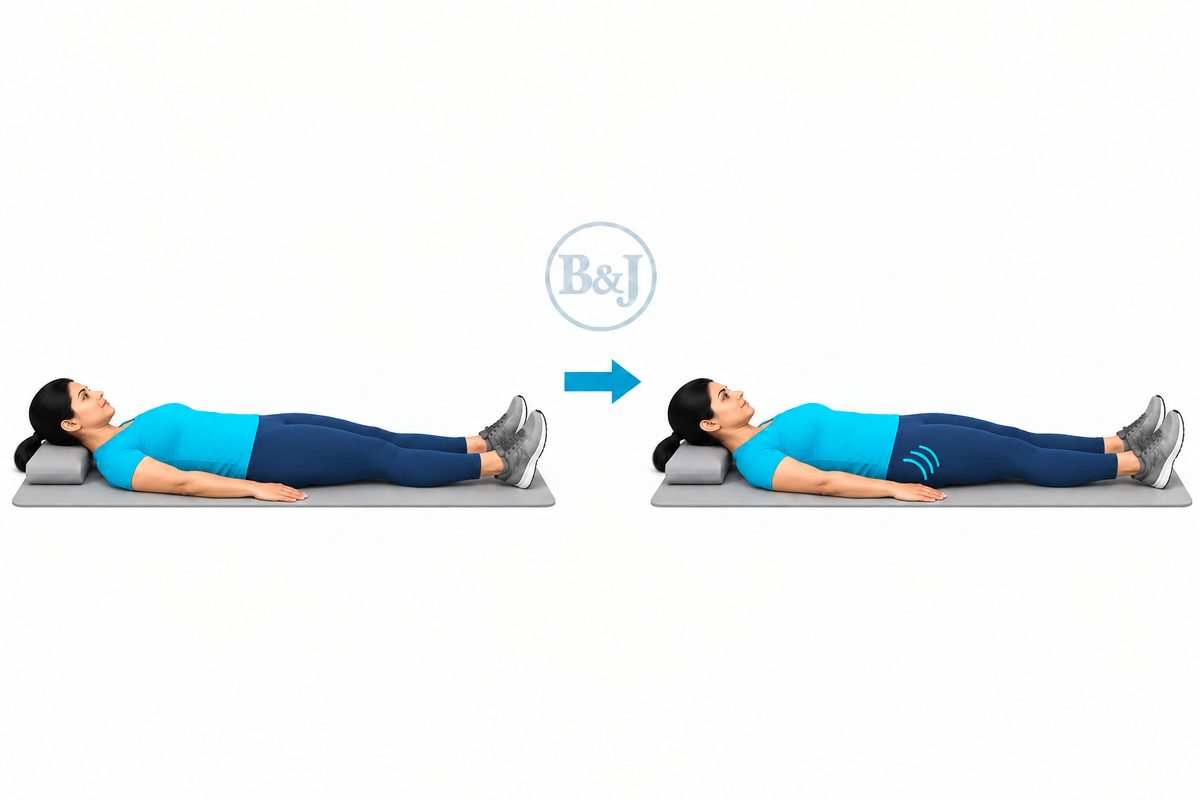
Lie on your back with the legs straight. Squeeze the buttocks together, hold, then relax.
Should feel: The buttocks tightening Should not feel: Back pain
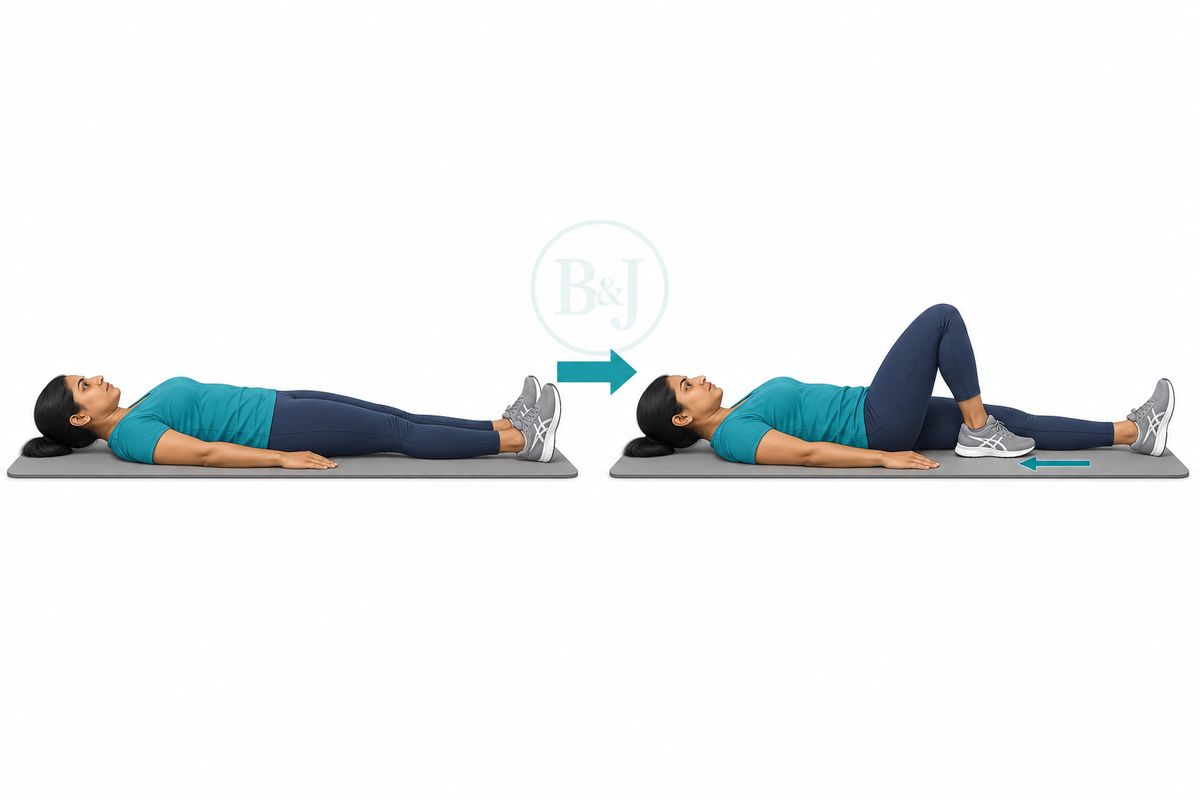
Lie down and slide the heel up towards the buttock, bending the knee as far as you can.
Should feel: A stretch as the knee bends Should not feel: Sharp pain at the wound
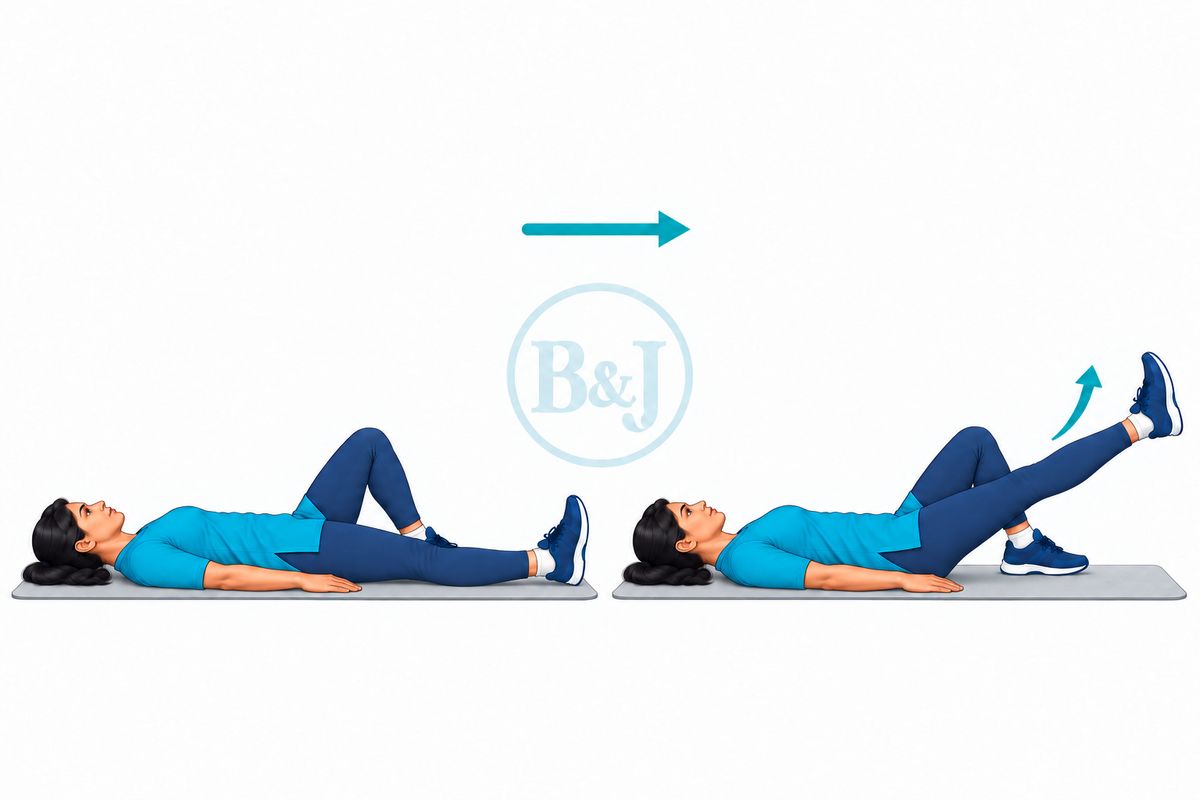
Lie down, one knee bent. Keep the other knee straight and lift the leg 20 cm.
Should feel: The thigh working Should not feel: The knee bending or back pain
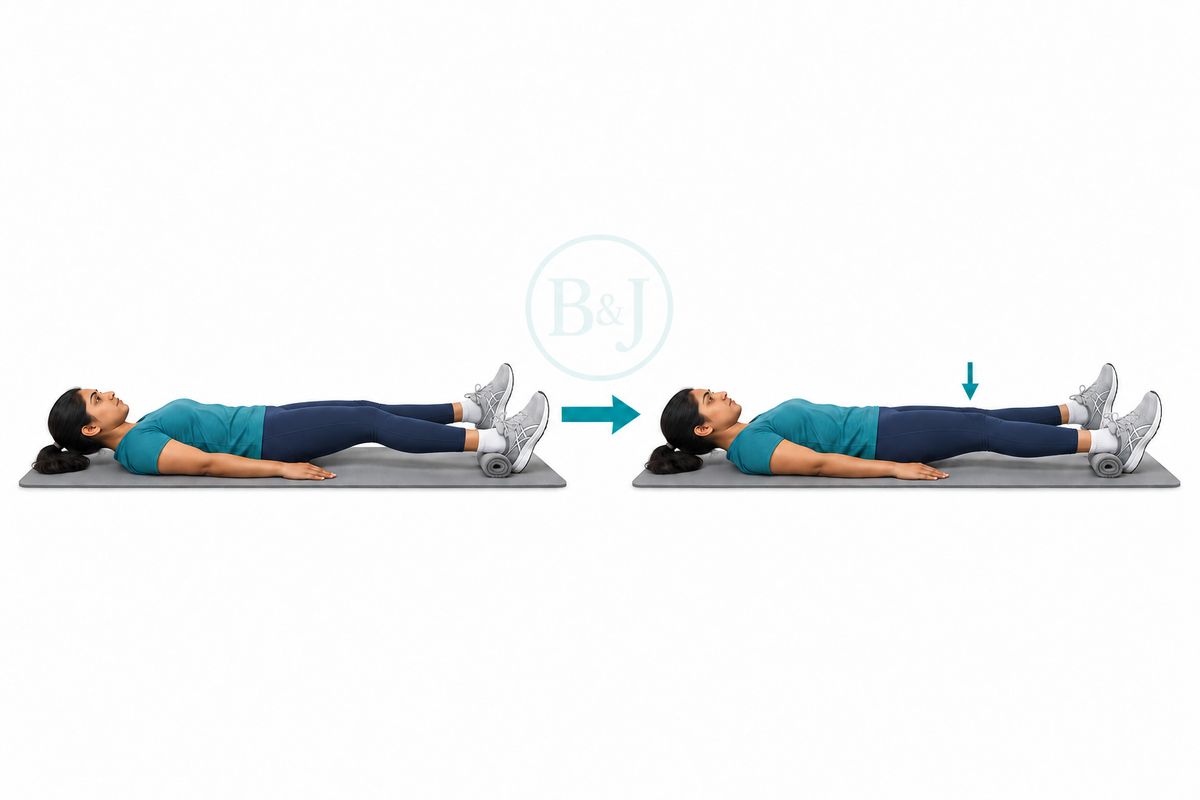
Rest the heel on a rolled towel so the knee hangs free. Press the knee down straight.
Should feel: The back of the knee stretching Should not feel: Sharp pain
Not yet Pillows under the frame (they keep the knee bent), or hot water on the pins.
Move to the next stage only after we have seen you, and the X-ray if one was planned.
Keep the knee bending past a right angle and getting fully straight. Carry on with the earlier exercises.
Weight bearing It increases as the X-ray allows. We will tell you how much.
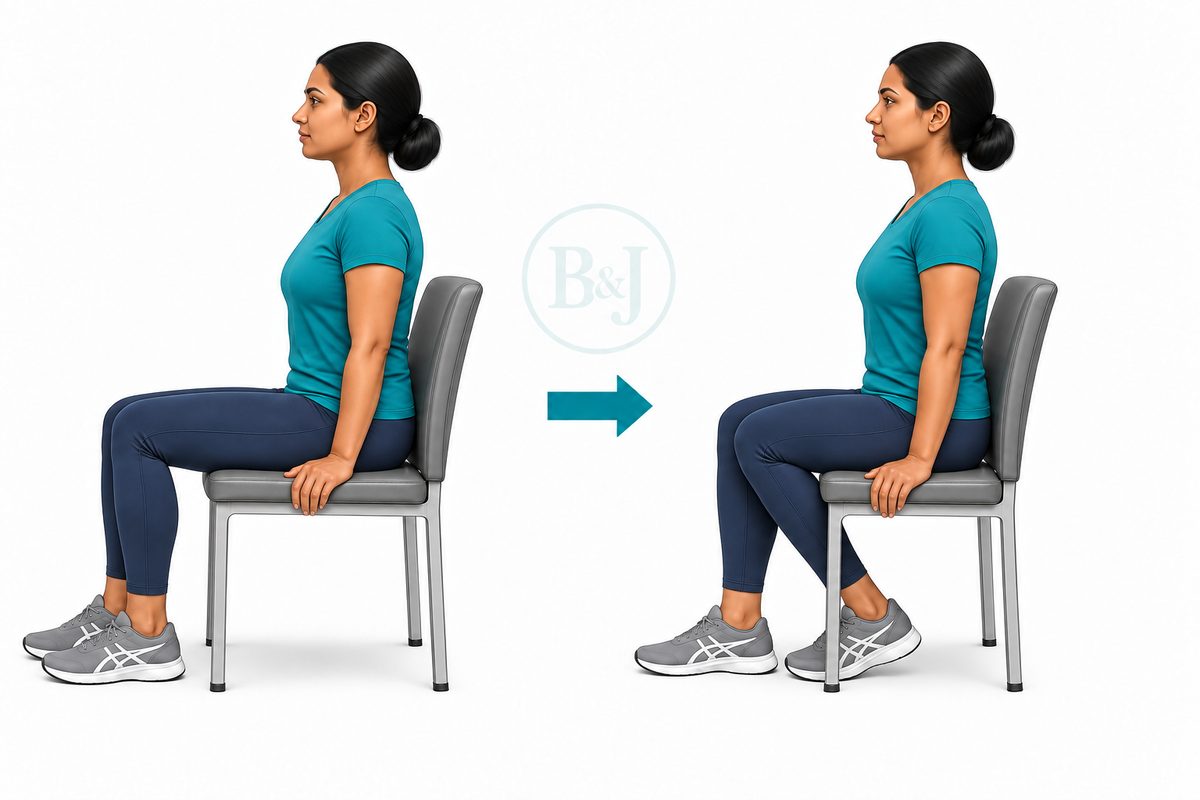
Sit on a firm chair. Slide the foot back under the chair to bend the knee, hold, then bring it forward.
Should feel: A stretch as the knee bends Should not feel: Sharp pain
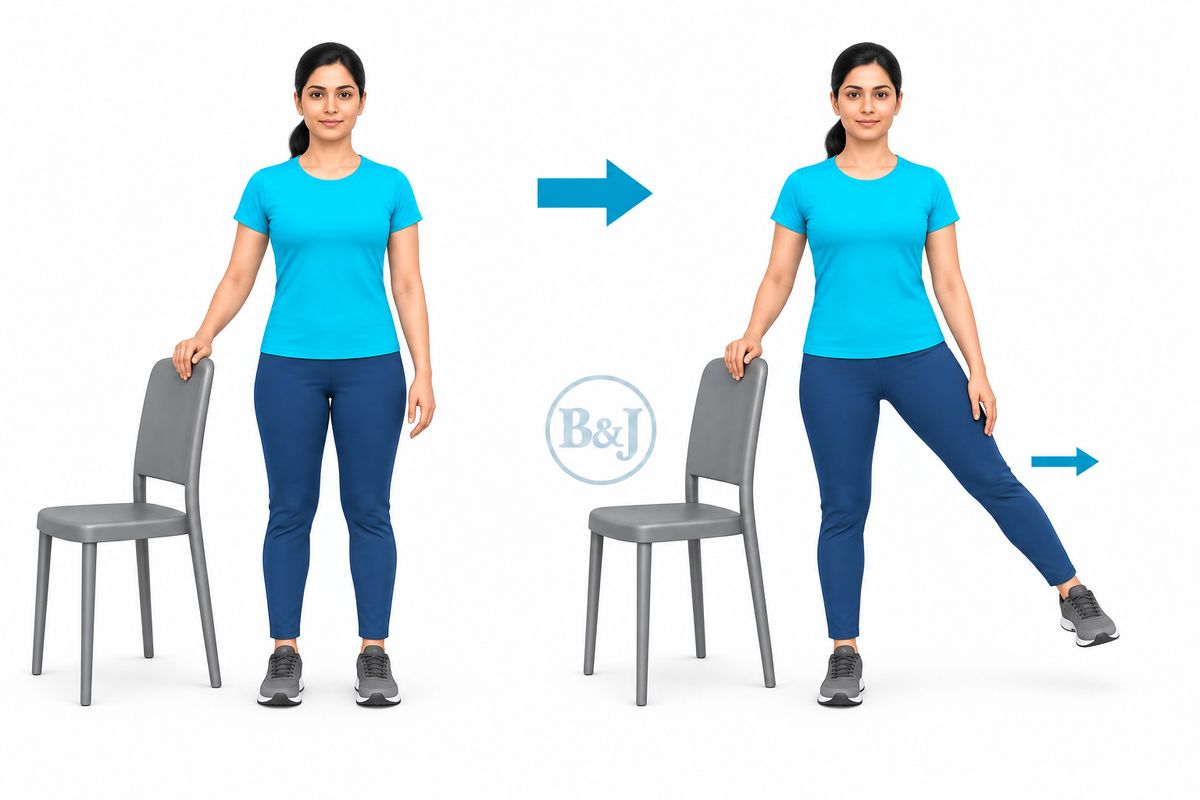
Hold a chair. Lift the leg out to the side, keeping the body upright.
Should feel: The side of the hip working Should not feel: Leaning over
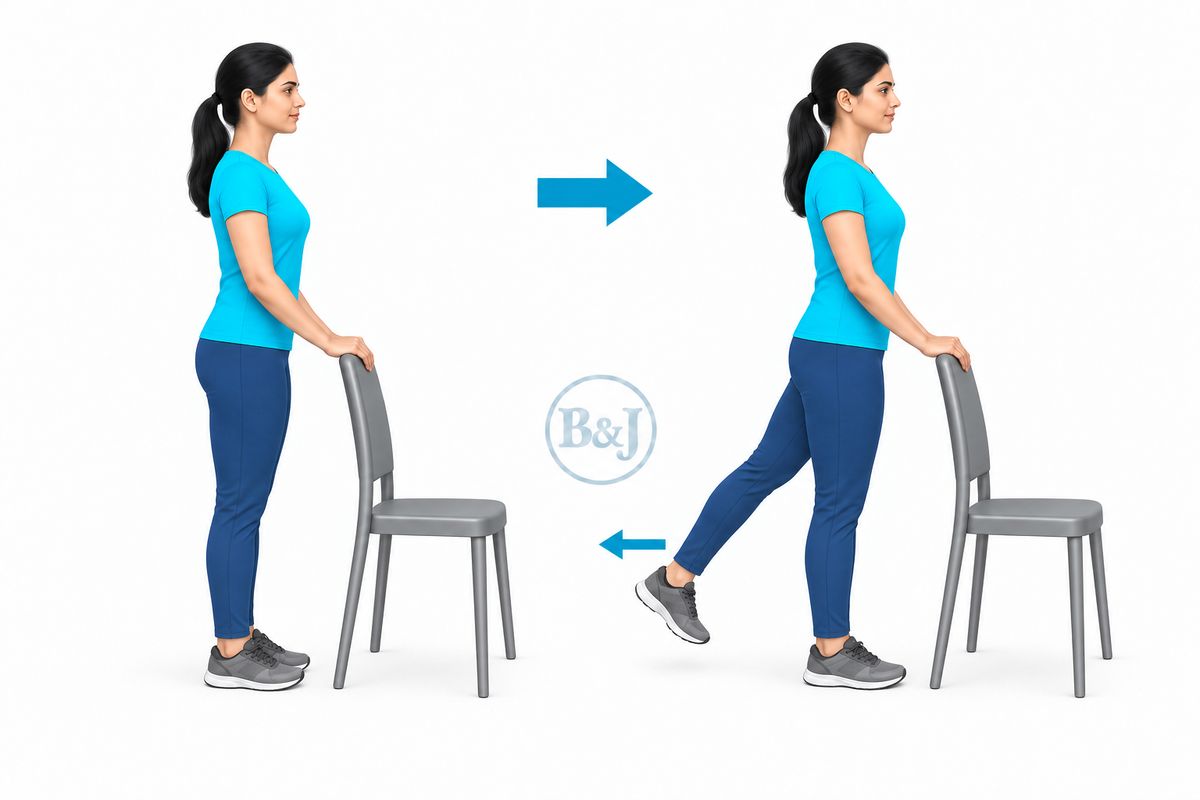
Hold a chair. Take the leg backwards, keeping it straight.
Should feel: The buttock working Should not feel: Arching the back
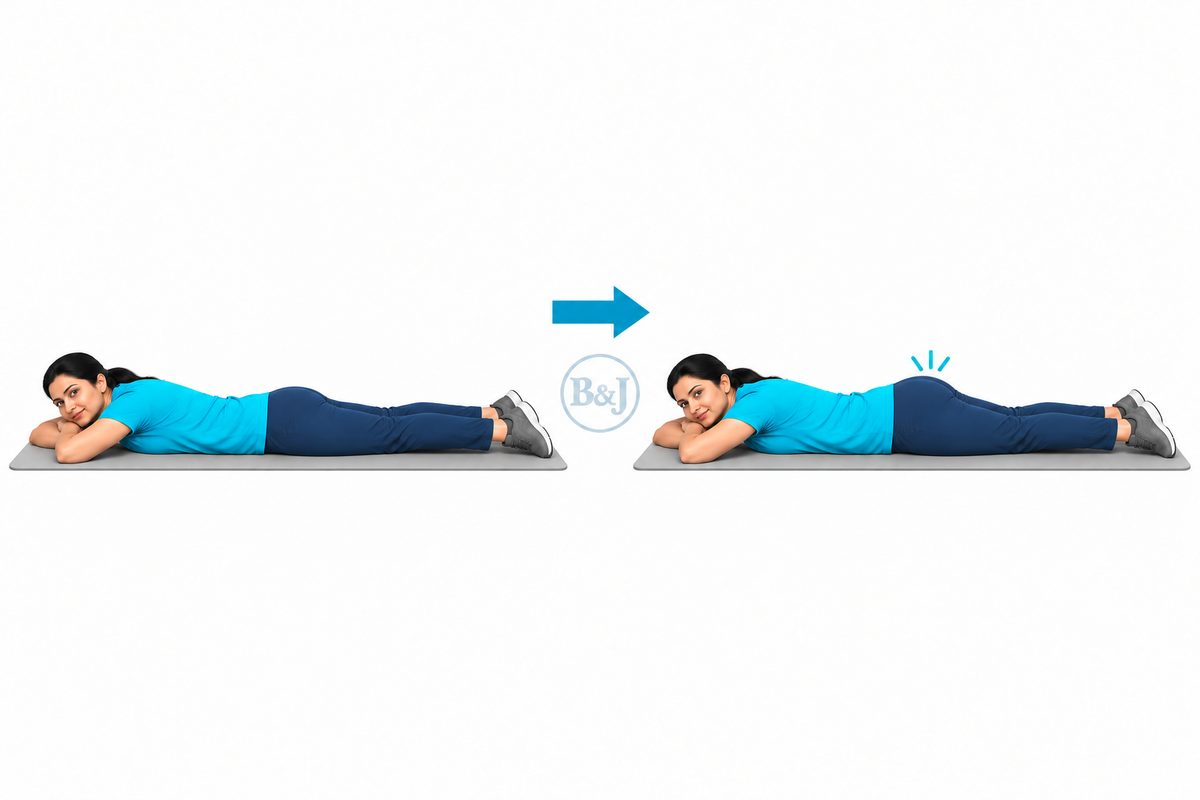
Lie on your front with the legs straight. Squeeze the buttocks and press the hips into the bed, hold, then relax.
Should feel: The buttocks working and the front of the hip stretching Should not feel: Back pain
Not yet Bathing, swimming, or sea or river water.
Move to the next stage only after we have seen you, and the X-ray if one was planned.
Build strength and walk without a limp.
Weight bearing As we tell you. It is often protected for a few weeks while the pin holes close.
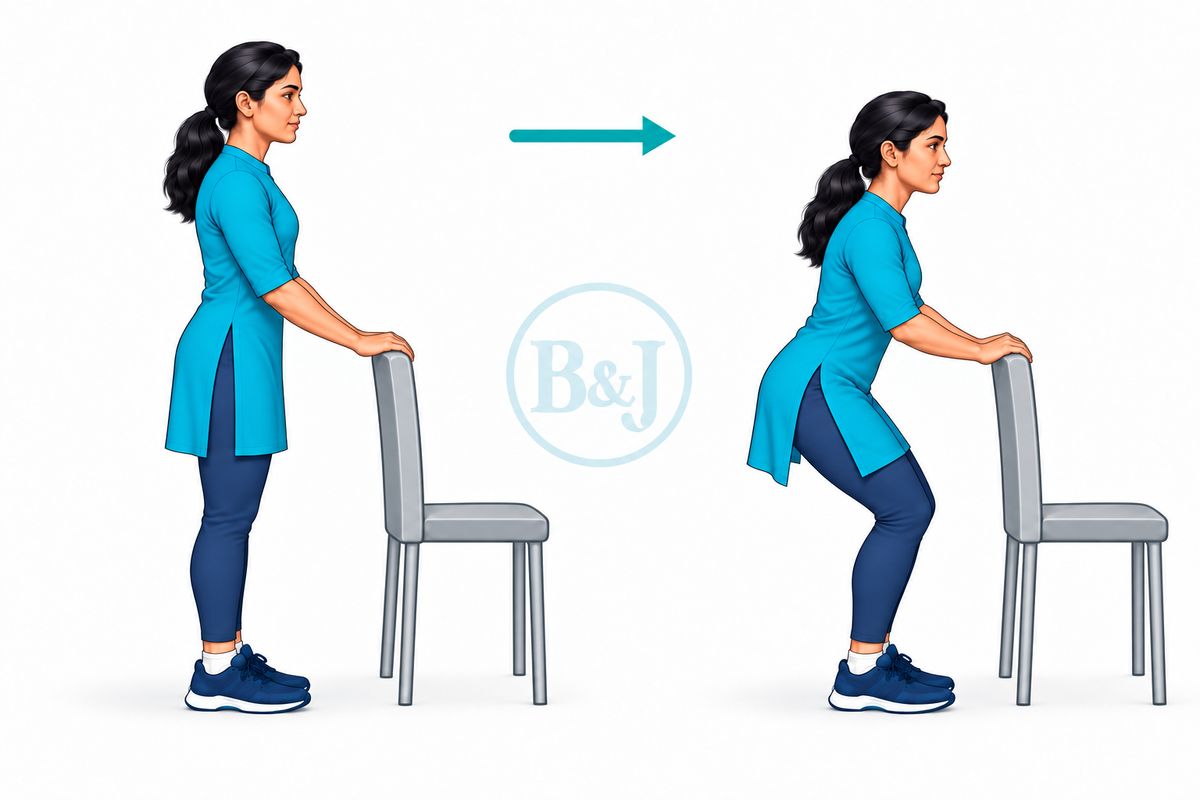
Hold a support and bend the knees a little way.
Should feel: The thighs working Should not feel: Knee pain
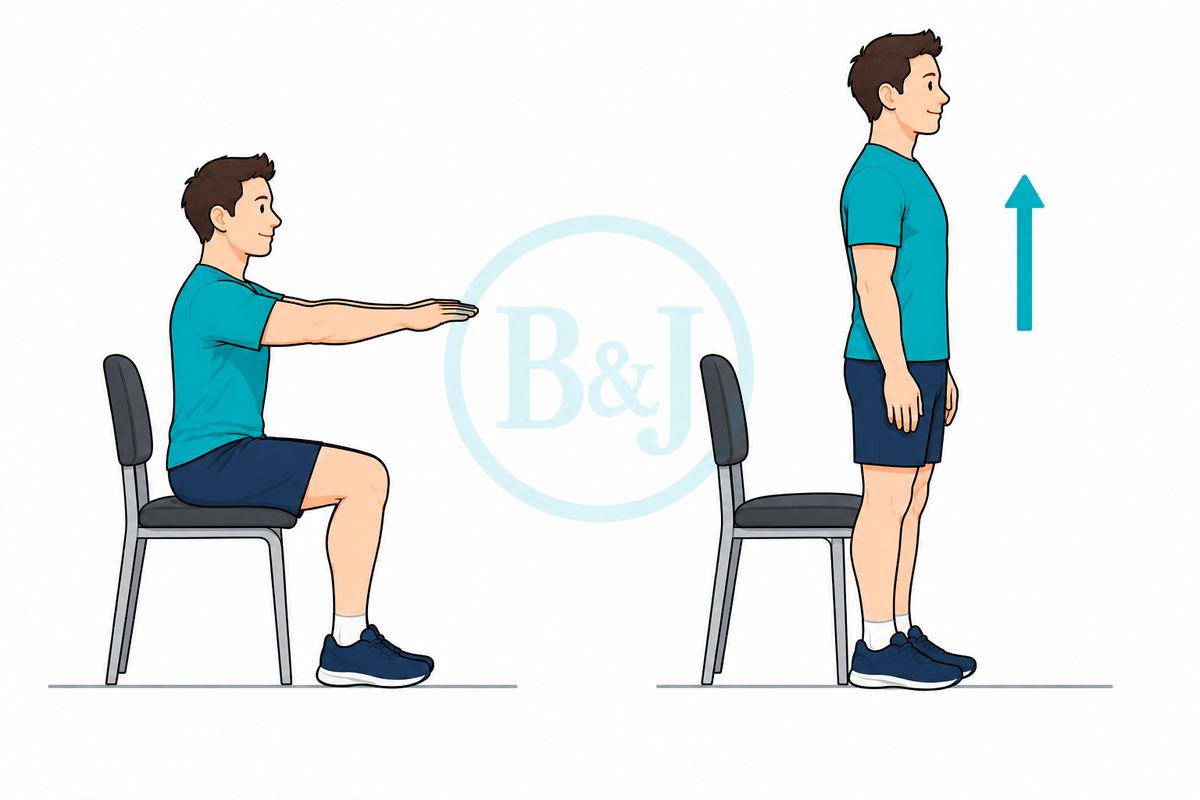
Sit towards the front of a firm chair. Fold the arms across the chest, lean forward over the knees, and stand up without using your hands. Lower yourself back down slowly.
Should feel: The thighs working, and a slow controlled sit Should not feel: Dropping into the chair
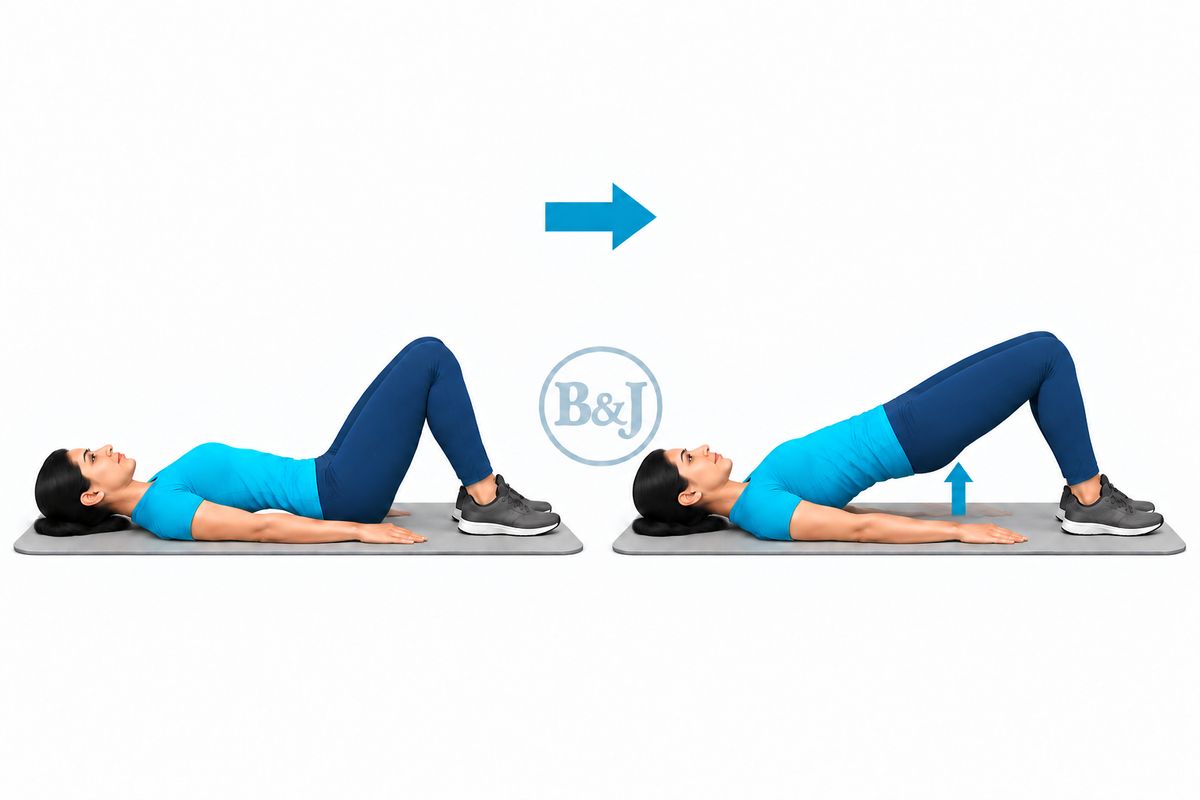
Lie on your back, knees bent. Lift your hips off the floor, hold, then lower.
Should feel: The buttocks and back of thighs working Should not feel: Cramp, or back pain
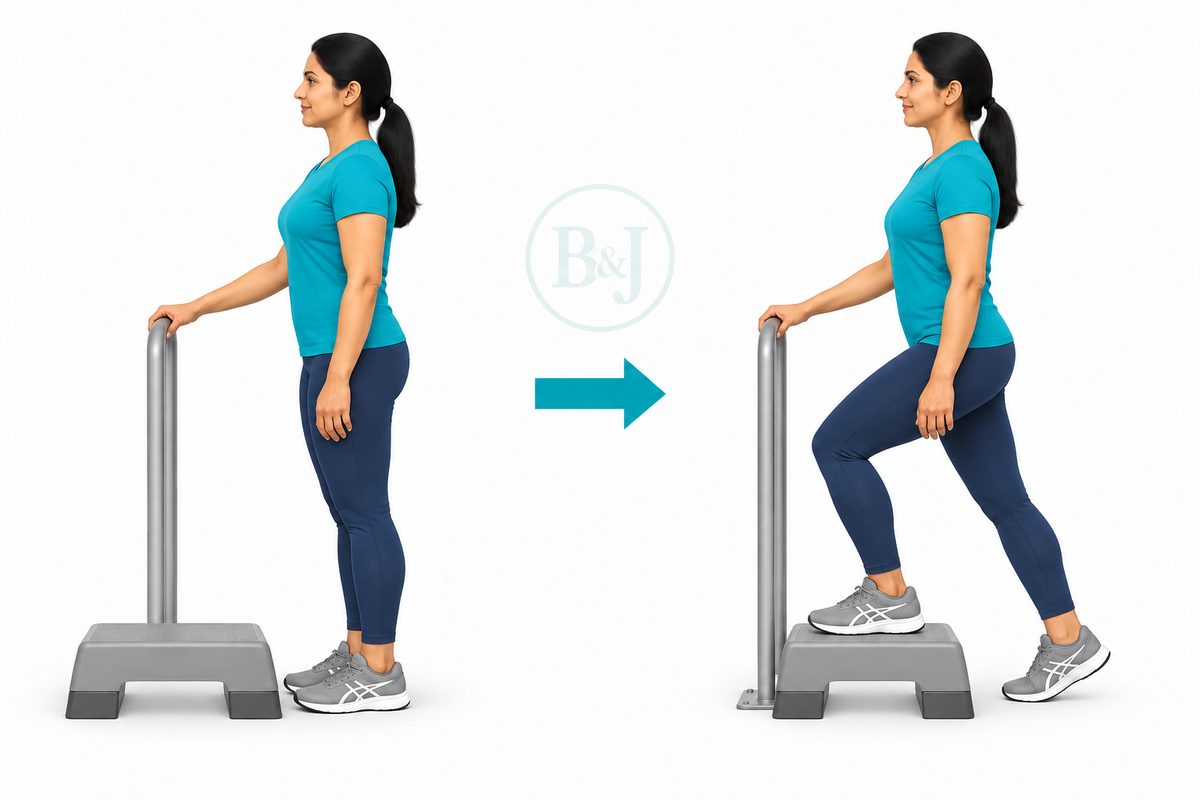
Hold a rail. Step up onto a low step with the operated leg, then step down with the other leg.
Should feel: The thigh working Should not feel: The knee falling inwards
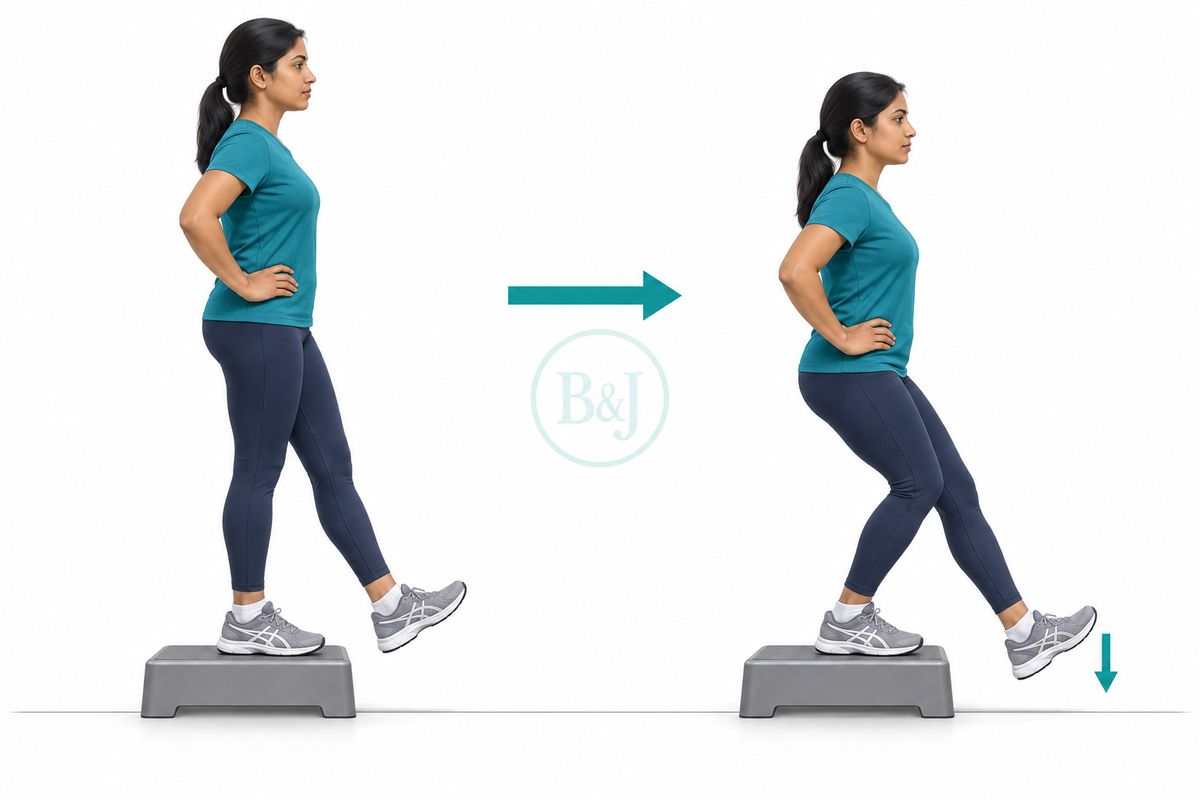
Stand on a low step and lower the other heel slowly towards the floor.
Should feel: Controlled lowering Should not feel: The knee falling inwards
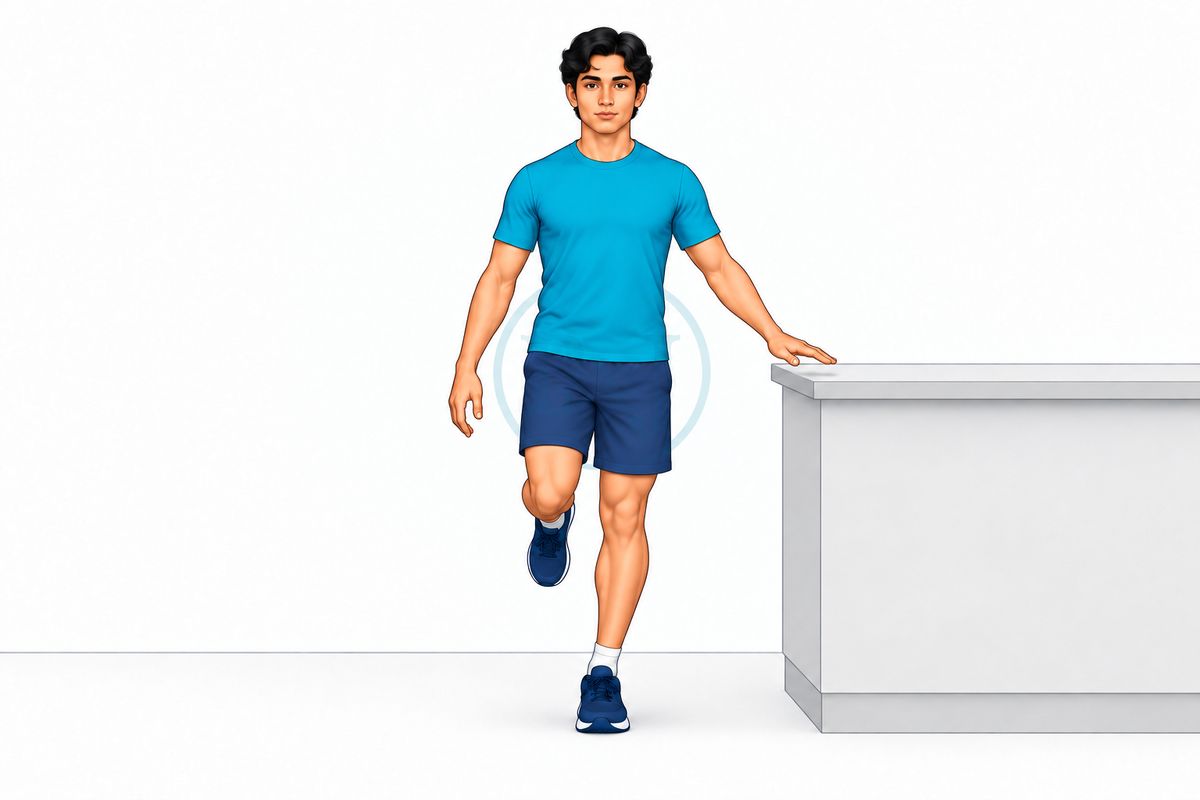
Stand on one leg beside a worktop.
Should feel: Working to stay steady Should not feel: Losing balance — hold on
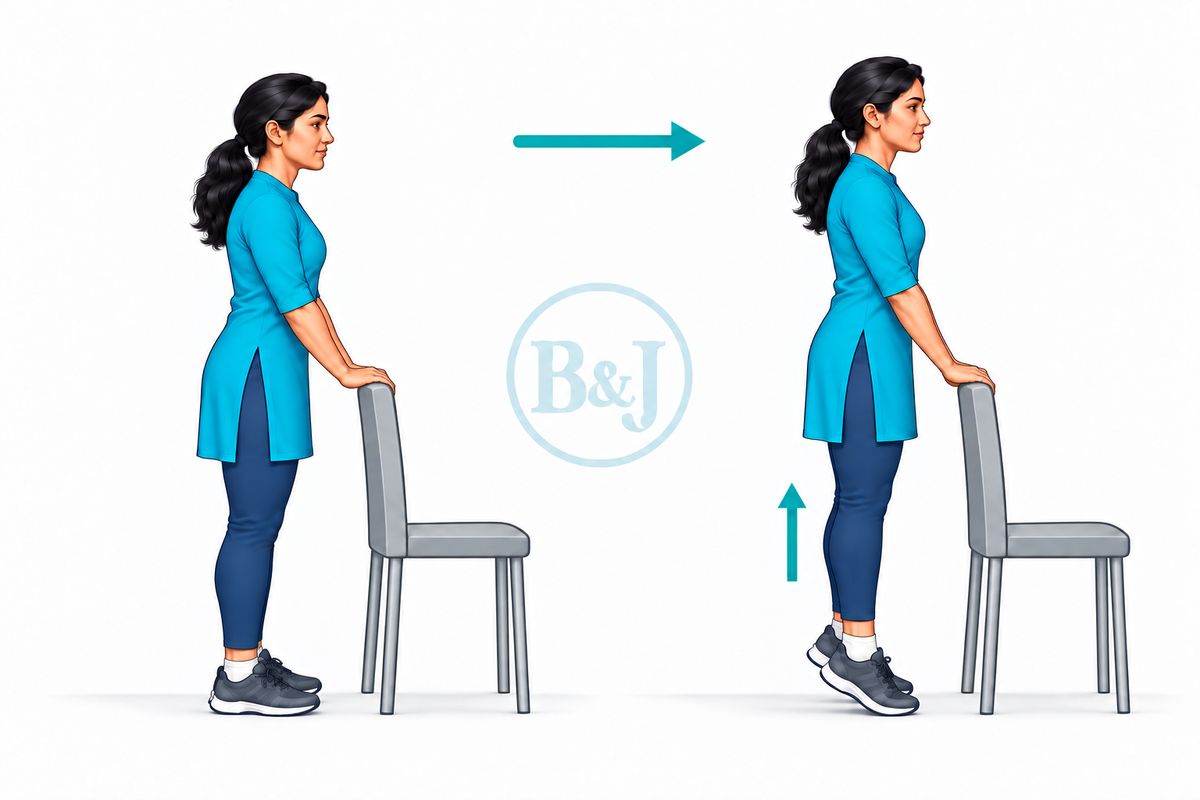
Rise onto both toes and lower under control.
Should feel: The calf working Should not feel: Sharp pain
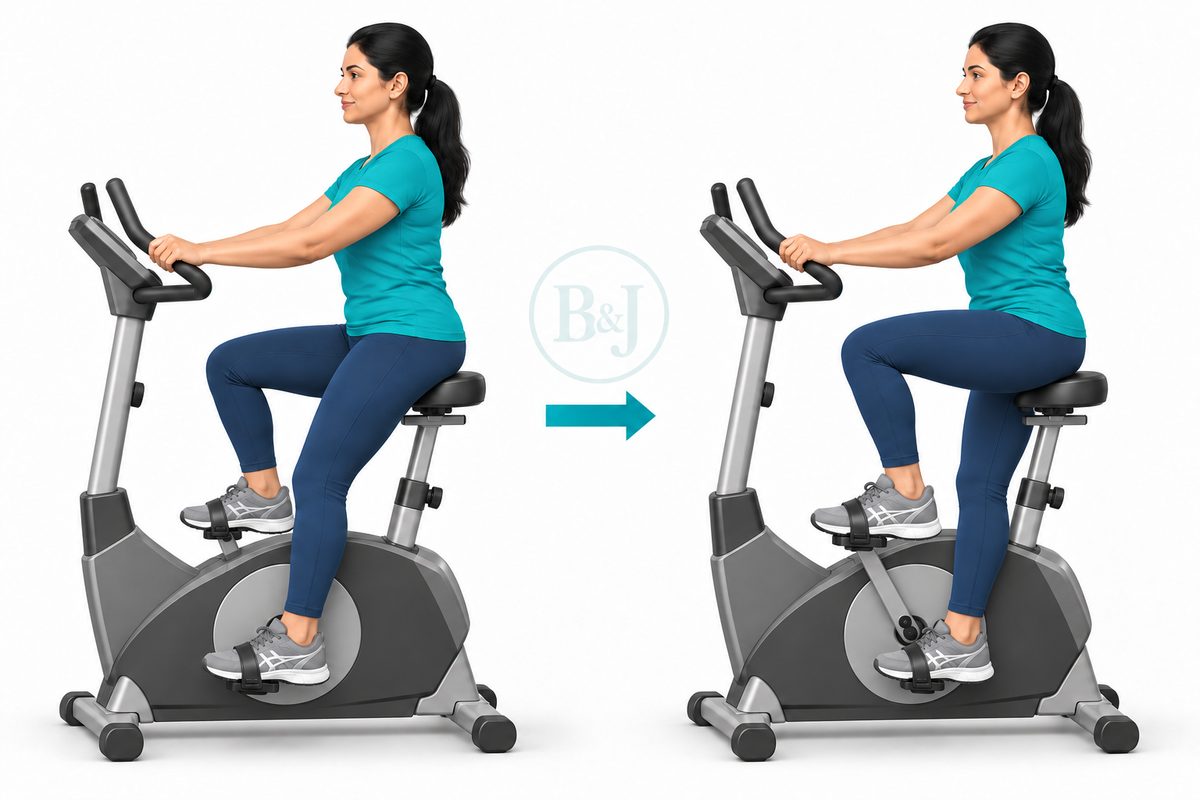
Set the seat high, so the knee is almost straight at the bottom. Pedal gently with little resistance.
Should feel: The knee moving freely Should not feel: Pain in the knee or hip
Not yet Running, until we clear you.
Call either clinic during consulting hours, or send a WhatsApp message any time.