A4 PDF, 0.6 MB. Free to download — no sign-up, no email address needed.
Weeks 0–2
Keep the foot raised above the level of the hip most of the day, especially in the first days: this is what brings the swelling and the pain down. The dressing holds the toe in its new position: keep it on, clean and dry, and do not loosen or change it yourself. Wear the special shoe we gave you for every step. Keep the ankle moving.
Weight bearingAs written on your prescription — usually walking on the heel in the special shoe, with crutches or a walker if we gave you them. Walk only short distances, at home.
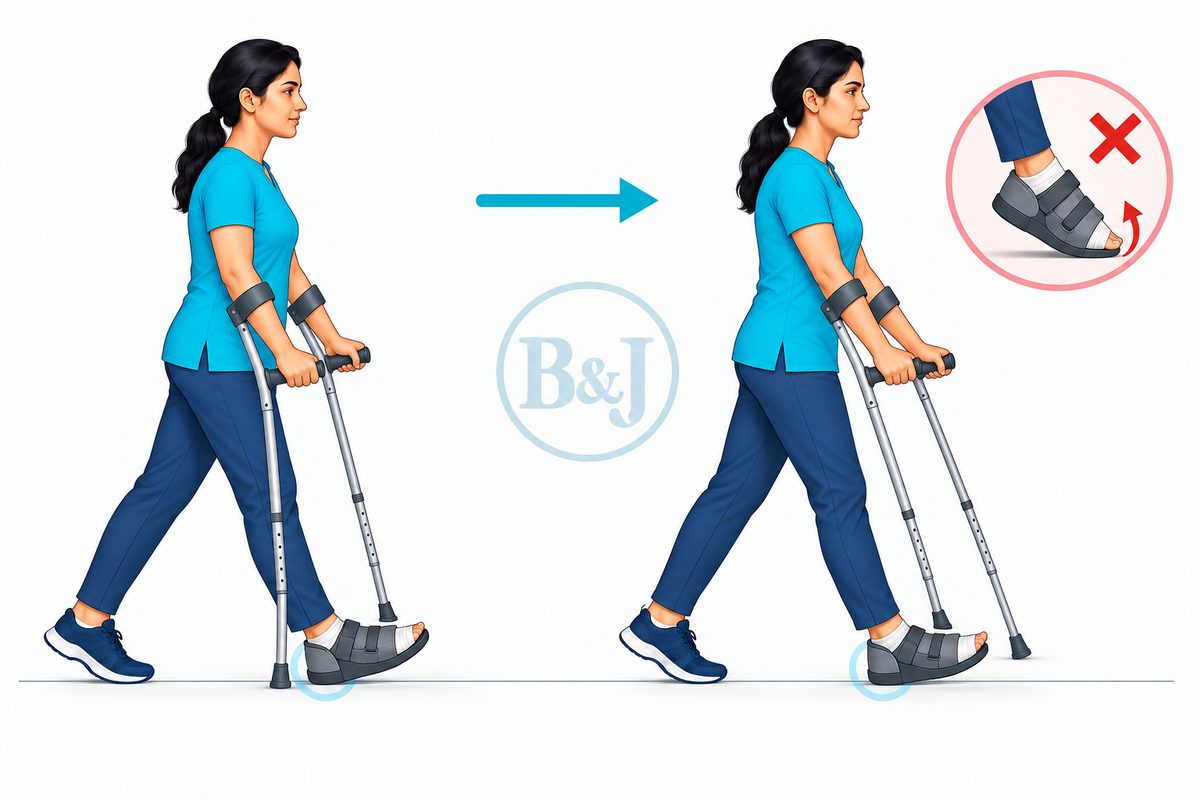
Walking in the special shoe
Wear the special shoe, fastened, for every step. Put your weight through the heel, not the front of the foot, unless we have told you otherwise, and use the crutches or walker as we advised. Take short, even steps.
Use when walking
Should feel: The weight going through the heelShould not feel: Pushing off from the toes, or pain at the front of the foot
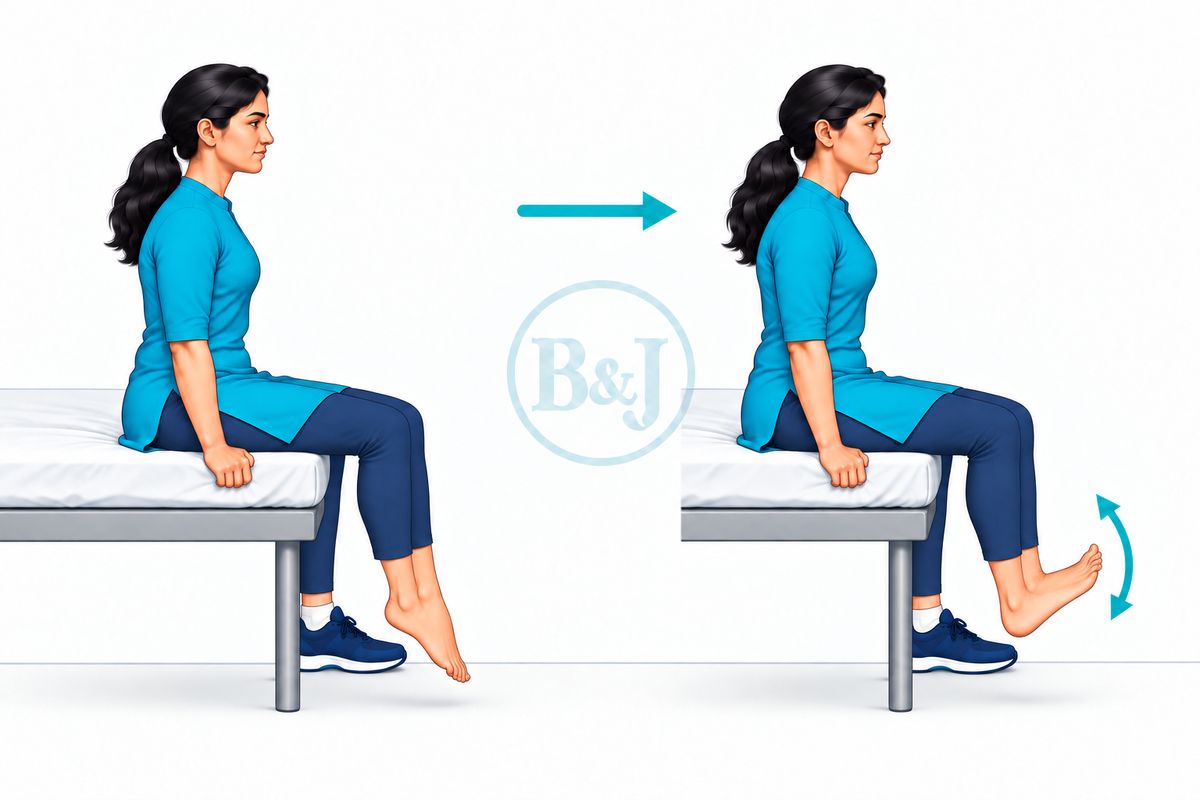
Ankle pumps
Pump the feet up and down to keep the blood moving.
20 times
Every hour while awake
Should feel: The calf workingShould not feel: Calf pain or swelling — tell us
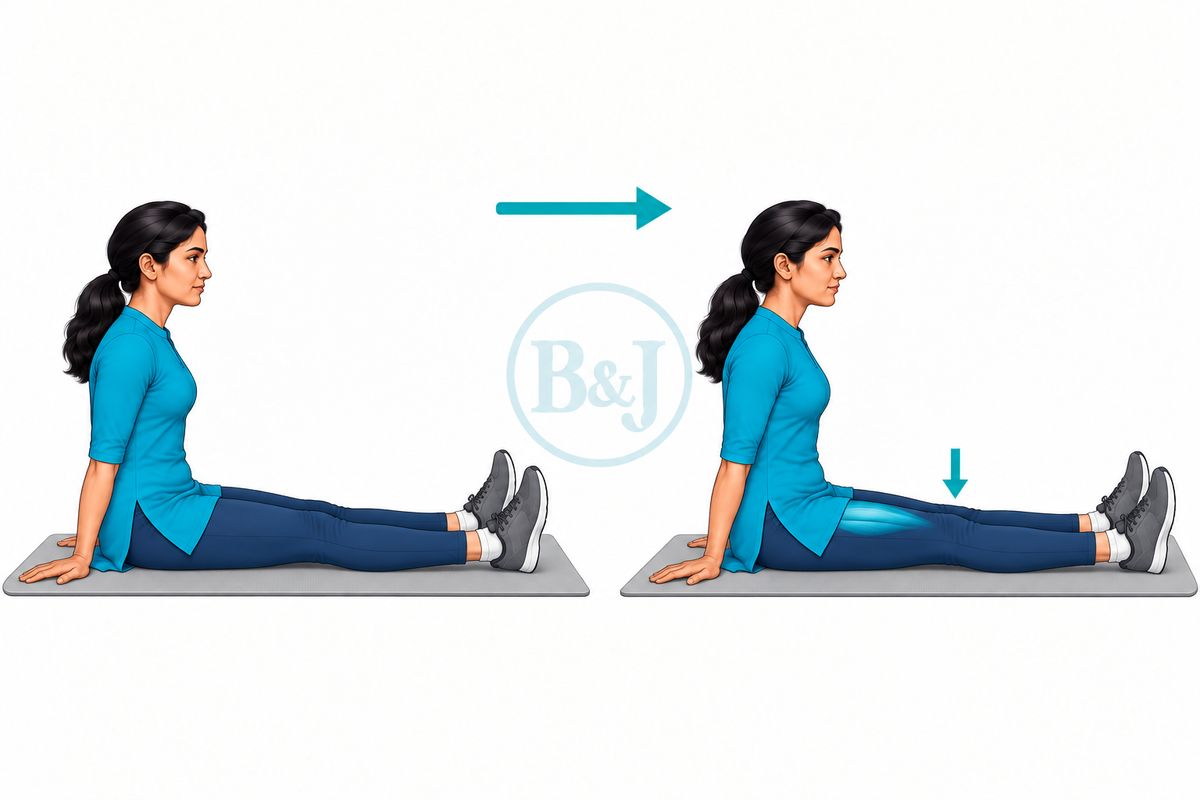
Quad sets
Sit with the leg straight. Press the back of the knee down and tighten the thigh.
Hold 5 seconds
10 times
3 times a day
Should feel: The thigh muscle tighteningShould not feel: Knee pain
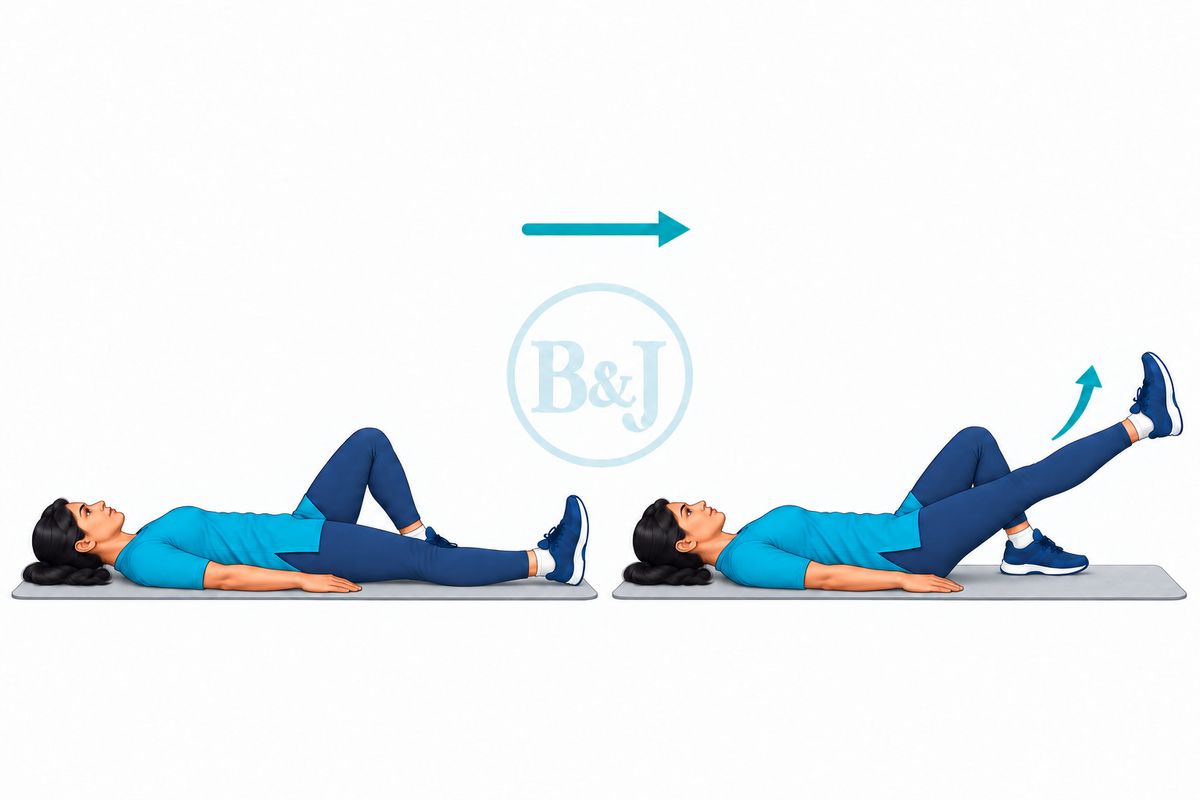
Straight leg raise
Lie down, good knee bent. Keep the operated leg straight and lift it 20 cm.
10 times
3 times a day
Should feel: The thigh workingShould not feel: The knee bending or back pain
Not yetWalking barefoot or in your own footwear, pushing off from the toes, getting the dressing wet, letting the foot hang down for long, or driving. Squatting, sitting on the floor or using an Indian toilet — until we have told you it is safe.
Move to the next stage only after we have seen you, and the X-ray if one was planned.
Weeks 2–6
Stitches out. Keep wearing the special shoe, and the toe spacer or strapping if we gave you one. Start the toe exercises when we allow — if a wire comes out through the toe, only after we have taken it out. If a toe joint was fused (joined solid) in the operation, never bend that joint. Swelling of the front of the foot by evening is normal and can last for several months; raise the foot when you rest. Carry on with the earlier exercises.
Weight bearingAs written on your prescription, in the special shoe. Walk a little further each day.
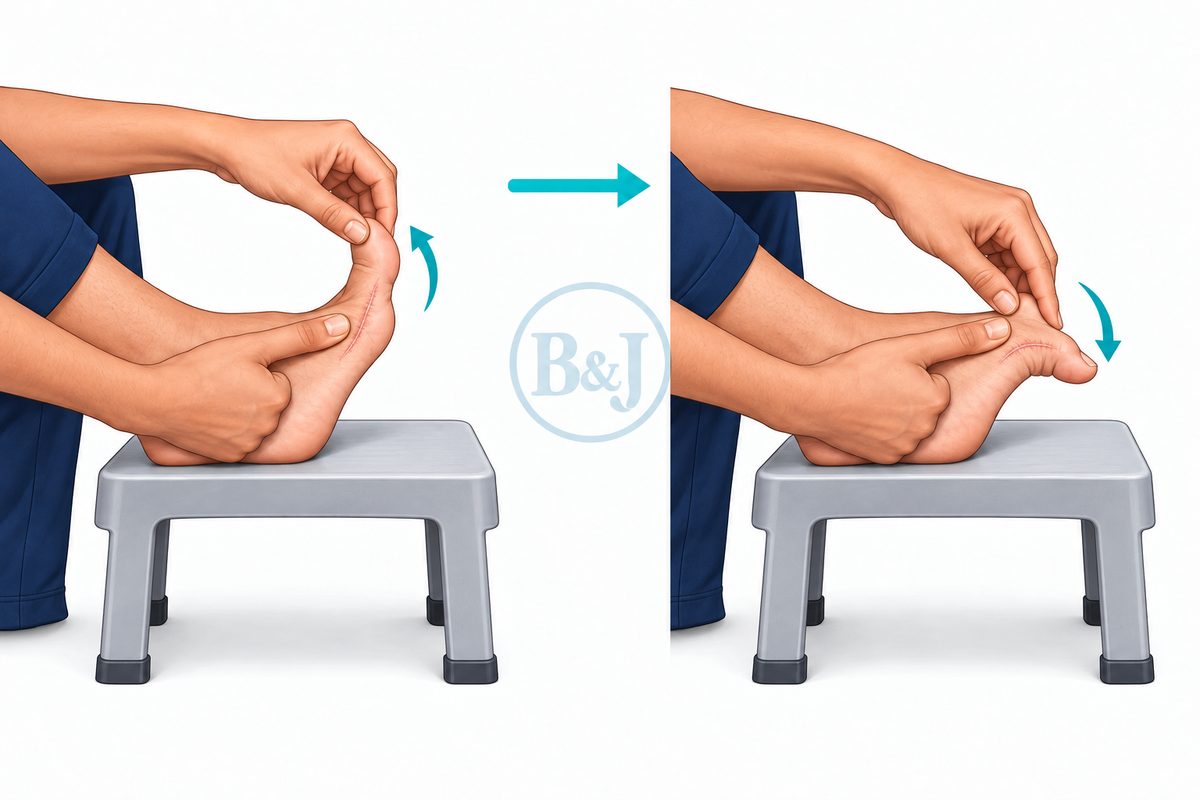
Big toe up and down
Sit with the operated foot resting on a stool. Hold the foot just behind the big toe with one hand, and with the other hand gently move the big toe up, then down, as far as is comfortable. Do not force it.
10 times
3 times a day
Should feel: A gentle stretch at the big toe jointShould not feel: Sharp pain, or pulling at the wound
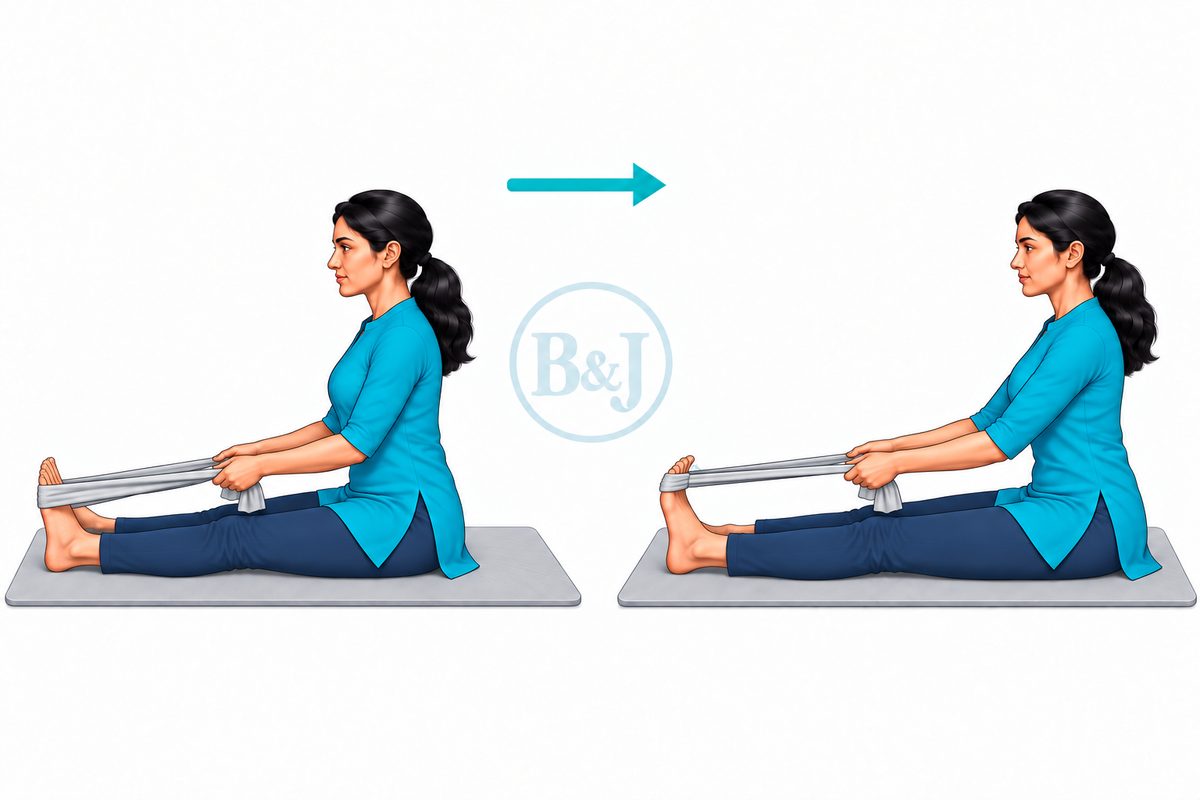
Toe stretch
With your hand or a towel, gently pull the toes back towards you, and hold.
Hold 20 seconds
3 times
3 times a day
Should feel: A stretch under the toes and the soleShould not feel: Sharp pain
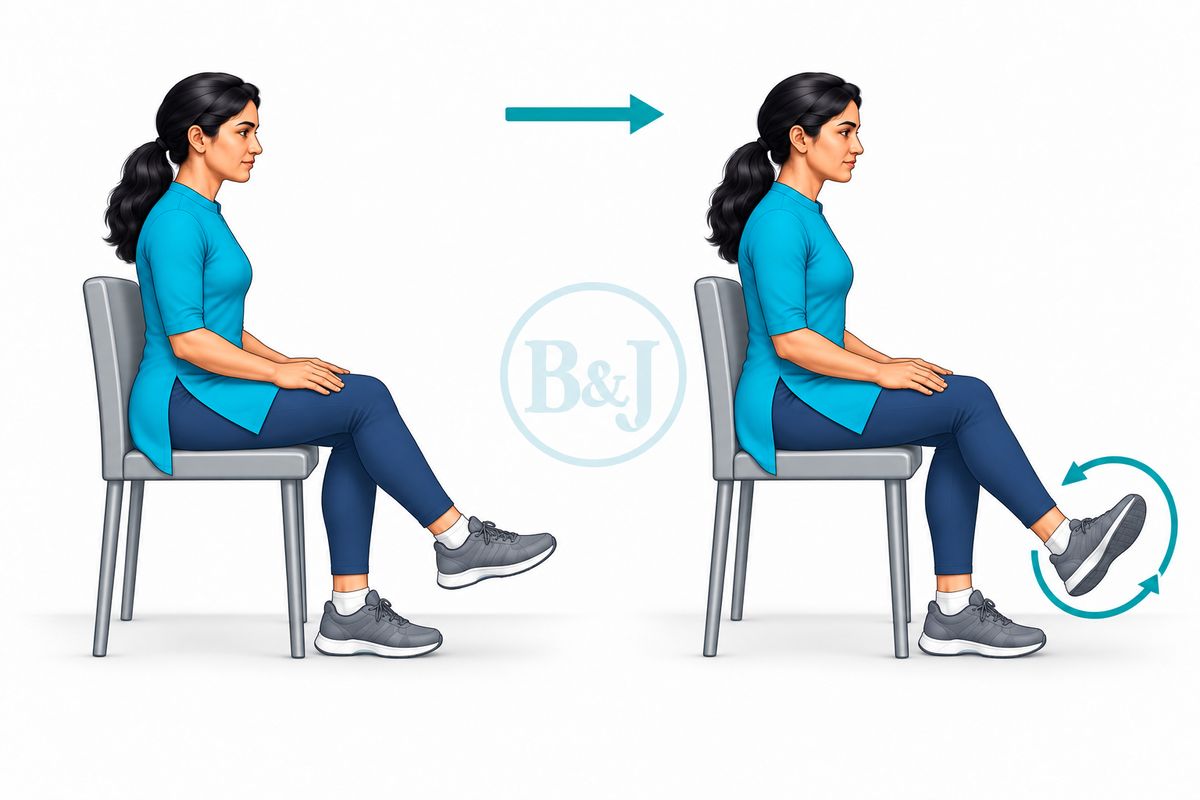
Ankle circles
Move the ankle slowly in circles both ways.
10 each way
3 times a day
Should feel: The ankle looseningShould not feel: Sharp pain
Not yetWalking without the special shoe, tight or narrow footwear, running or jumping, or driving until we agree. Squatting, sitting on the floor or using an Indian toilet — until we have told you it is safe.
Move to the next stage only after we have seen you, and the X-ray if one was planned.
Week 6 onwards
Out of the special shoe into a wide, soft, roomy shoe, as the X-ray shows healing. Walk normally, rolling through the foot onto the toes. Build up the strength of the toes and the calf. Some swelling and stiffness of the big toe can last for some months. Carry on with the toe exercises.
Weight bearingFull, in a wide roomy shoe, unless we have told you otherwise.
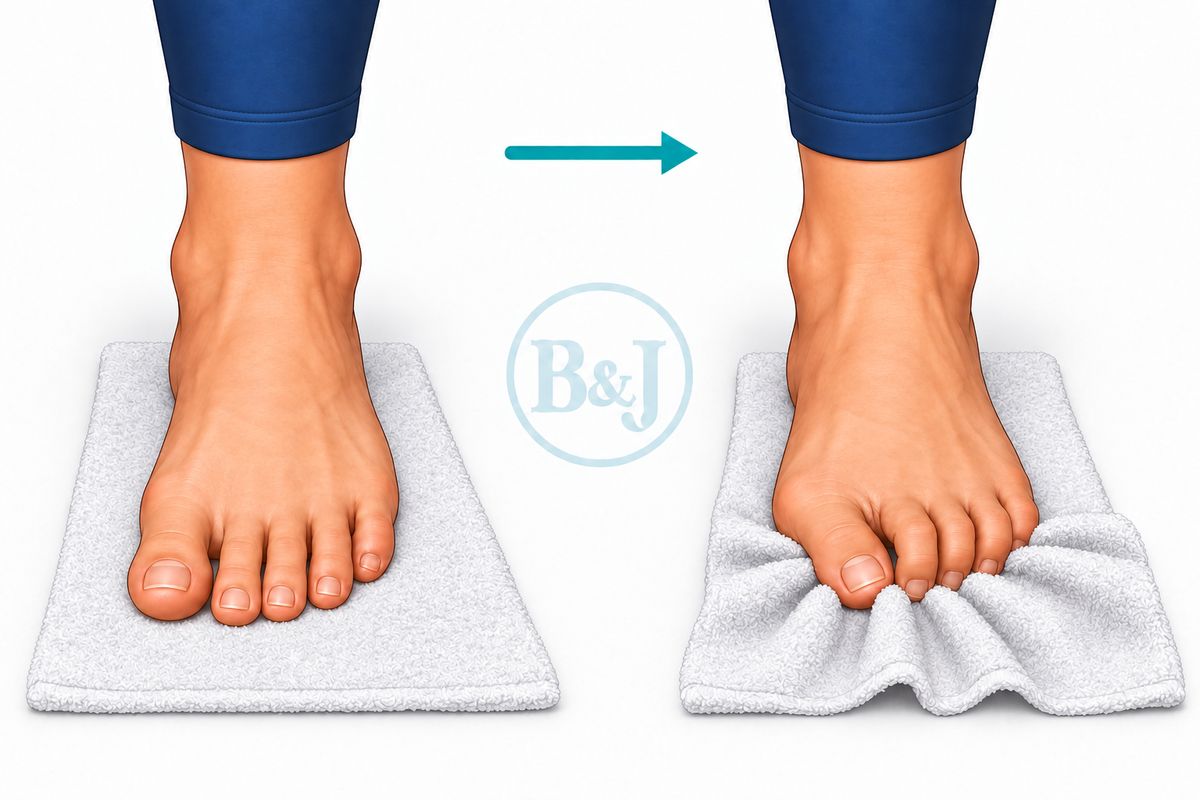
Towel toe curls
Scrunch a towel with the toes.
10 times
Daily
Should feel: The foot muscles workingShould not feel: Cramp
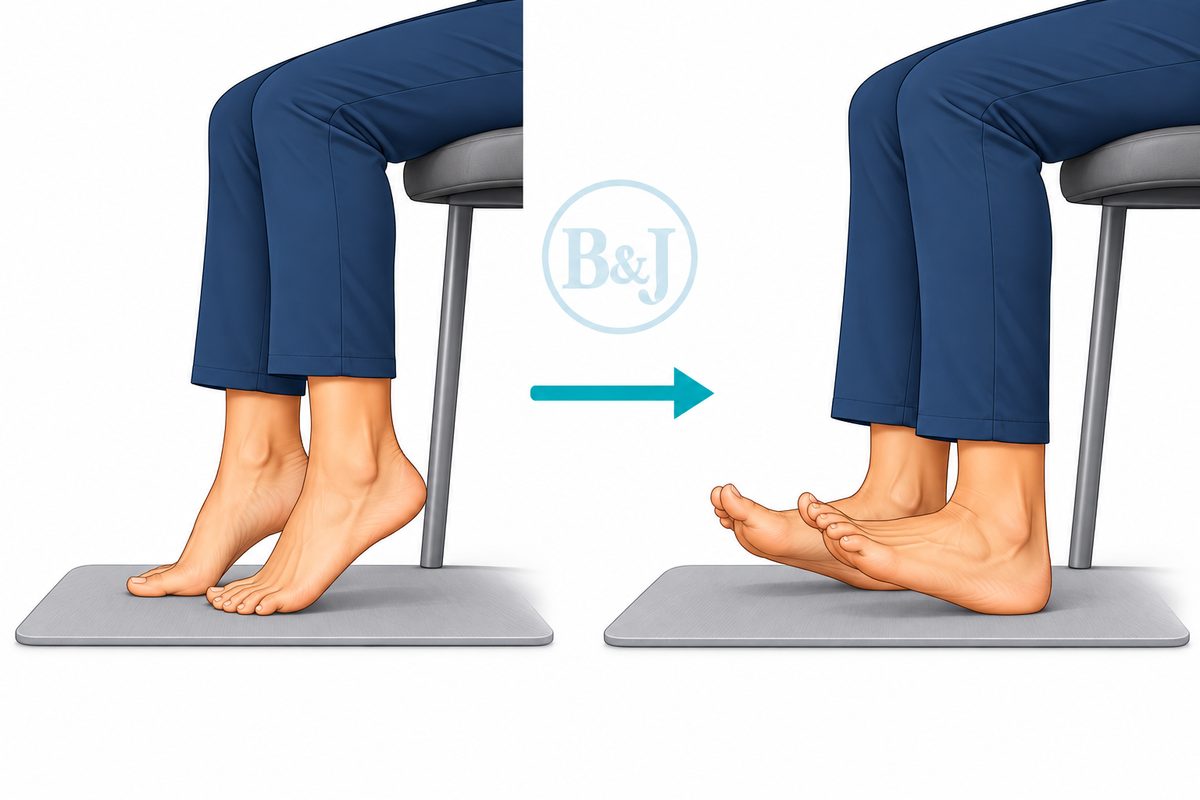
Sitting heel and toe raises
Sit with both feet flat on the floor. Lift the heels, lower them, then lift the toes.
10 times
3 times a day
Should feel: The calf and the front of the shin workingShould not feel: Sharp pain
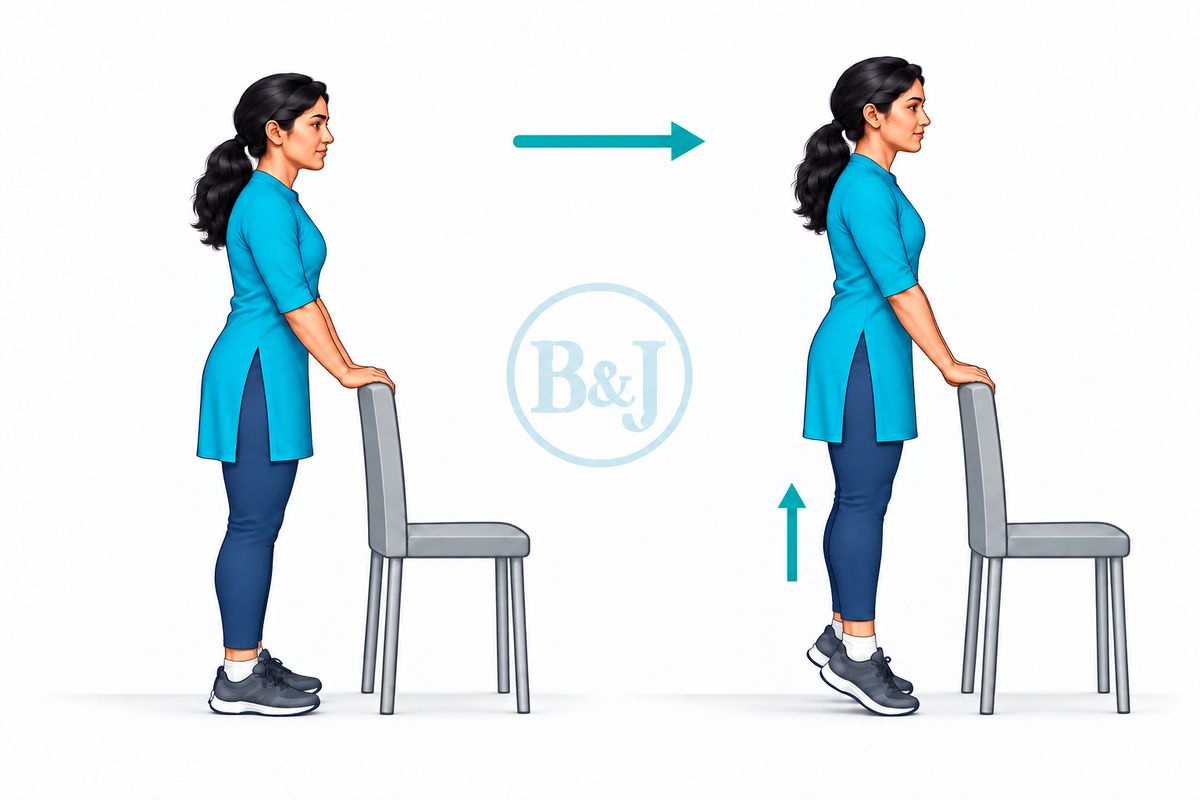
Calf raises
Rise onto both toes and lower under control.
15 times
Daily
Should feel: The calf workingShould not feel: Sharp pain
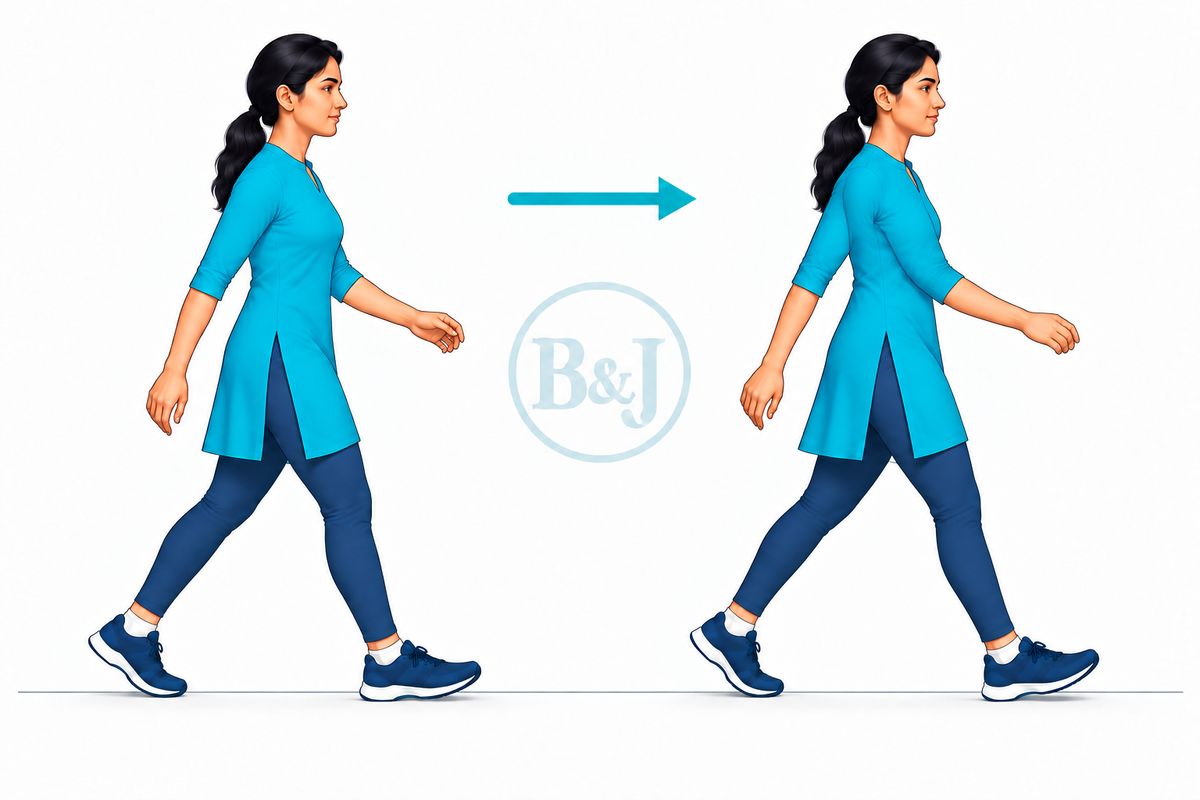
Walking
Walk daily. Build the distance slowly.
20–30 minutes
Most days
Should feel: Easier walking over weeksShould not feel: Swelling next day — do less
Not yetTight, narrow or high-heeled footwear, and running, jumping or sport, until we clear you. Squatting, sitting on the floor or using an Indian toilet — until we have told you it is safe.
Stop and telephone us if
A toe becomes blue, pale, cold or numb, or the dressing feels too tight — come the same day
The pain suddenly becomes severe — come the same day
The wound leaks or drains — come the same day
Redness spreading around the wound, or fever
If there is a wire in the toe: it moves or comes out, or the skin around it turns red or leaks
The toe moves out of its corrected position, or the dressing slips or comes loose
The calf becomes swollen, tight or painful — come the same day
Sudden breathlessness or chest pain — go to the nearest hospital
Ready when you are.
Call either clinic during consulting hours, or send a WhatsApp message any time.