Avascular necrosis of the hip, early stage: protecting the hip
Hip & knee · Avascular necrosis of the hip (femoral head)
How to use this sheet. In avascular necrosis, part of the ball of the hip joint has lost its blood supply. While that bone is weak it can flatten under load, so the aim is to take weight off the hip and keep it moving and strong without impact. Use the stick or crutches, with only the weight we have allowed. Keep fit with static cycling, and with swimming or walking in water if you can swim. It often affects both hips, so we may check the other hip too. Avoid: running, jumping, lifting heavy weights, and long walks or long periods of standing. Avoid squatting, sitting on the floor or using an Indian toilet until we have told you it is safe. Stop alcohol, and do not take steroid medicines, including injections or tablets from a chemist, unless a doctor prescribes them. If you have sickle cell disease, drink plenty of water and keep to the treatment your sickle-cell doctors advise. After a core decompression operation: follow the weight bearing we gave you after the operation.
A4 PDF, 0.4 MB. Free to download — no sign-up, no email address needed.
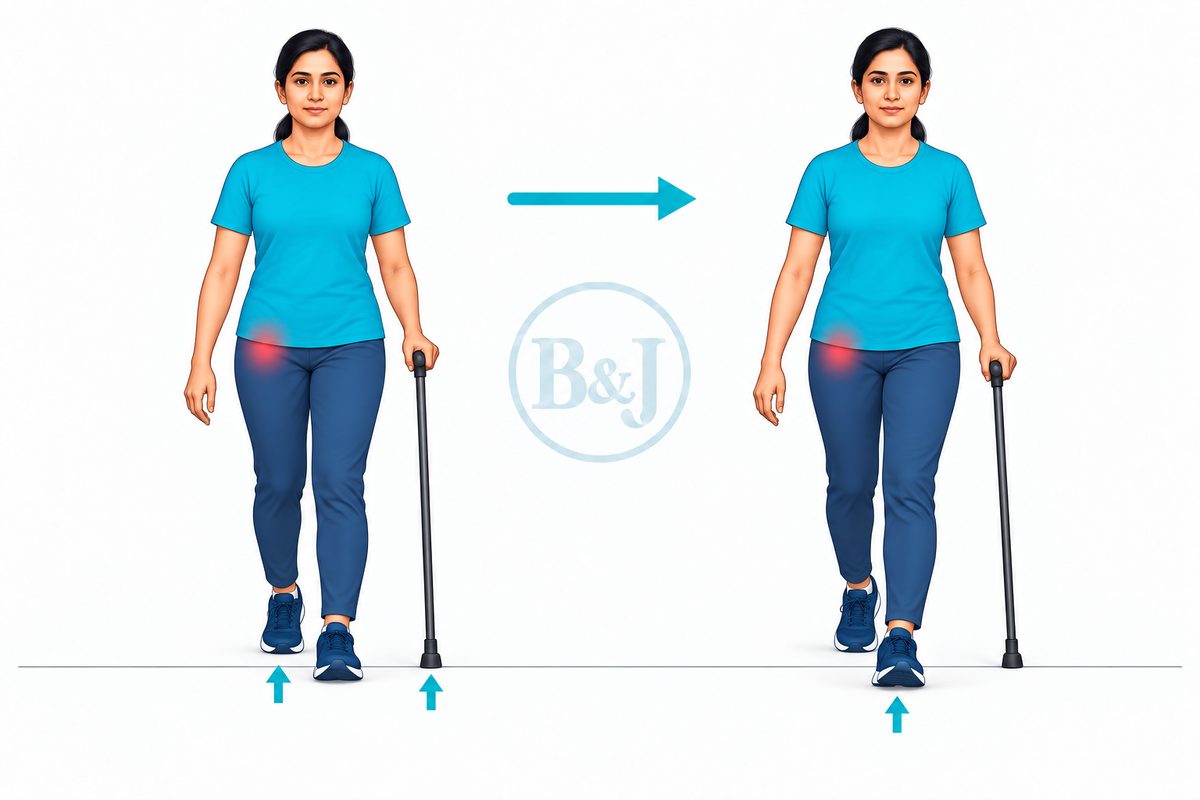
Walking with a stick
Hold the stick in the hand on the side of the good hip, not the painful one. Move the stick and the painful leg forward together, then step through with the good leg. Put on the painful leg only the weight we have allowed, and use crutches instead if we gave you them. Walk as much as daily life needs, not for exercise.
Use when walking
Ask us when to stop
Should feel: Less weight and less pain through the hipShould not feel: Limping heavily or the pain building — use the stick for every step
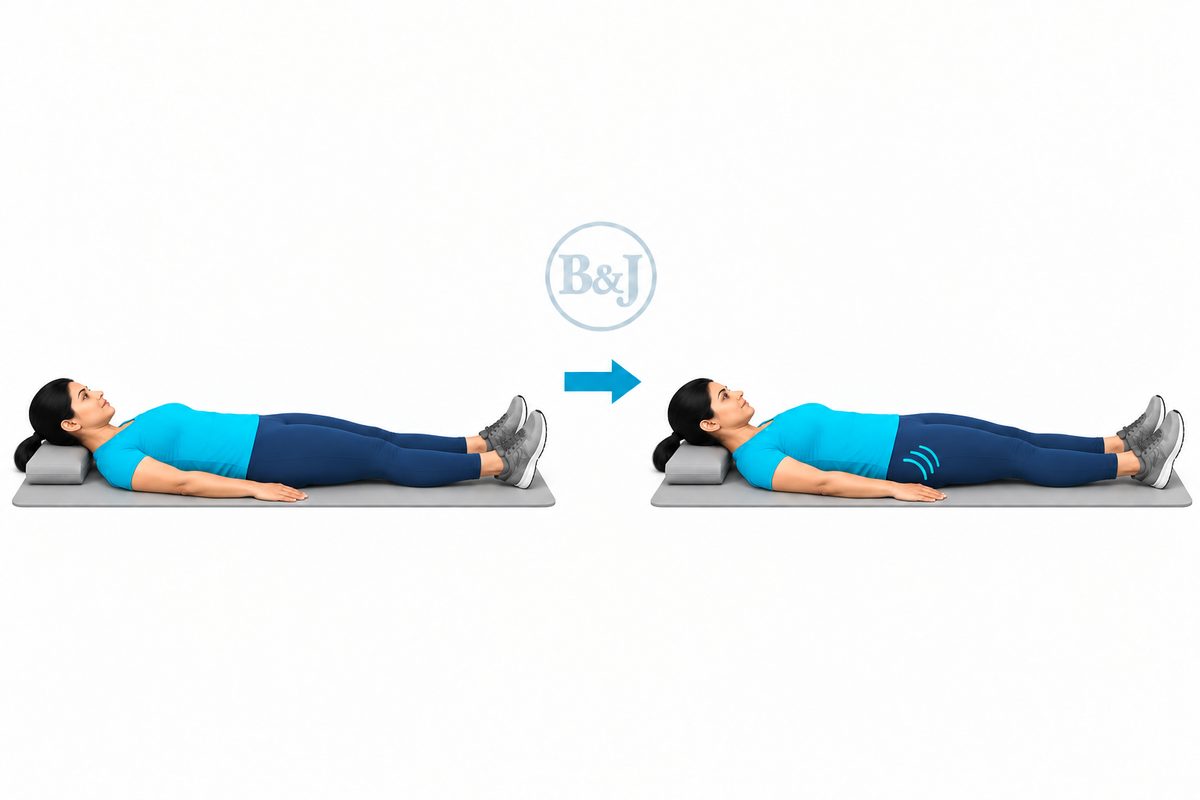
Buttock squeeze
Lie on your back with the legs straight. Squeeze the buttocks together, hold, then relax.
Hold 5 seconds
10 times
3 times a day
Should feel: The buttocks tighteningShould not feel: Back pain
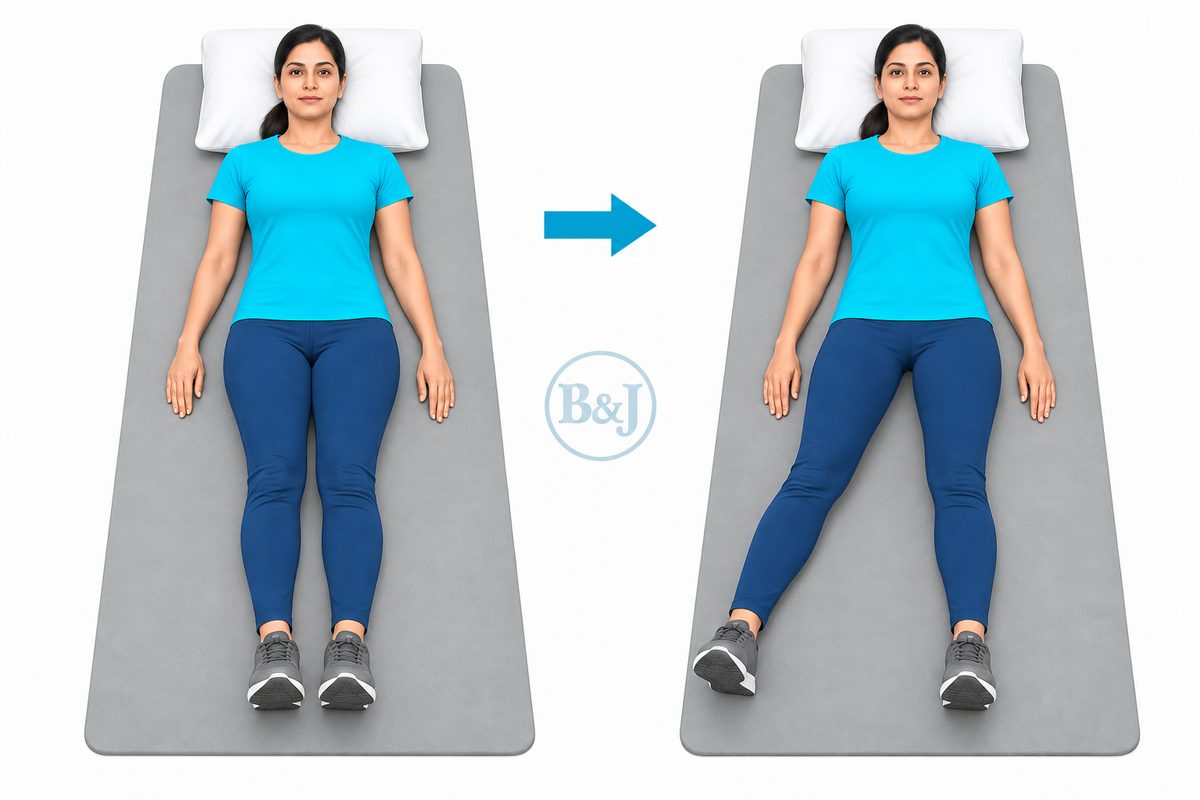
Lying hip slide out
Lie on your back, legs straight, toes pointing up. Slide the painful leg out to the side and back, keeping the knee straight.
10 times
3 times a day
Should feel: The side of the hip workingShould not feel: The toes rolling outwards
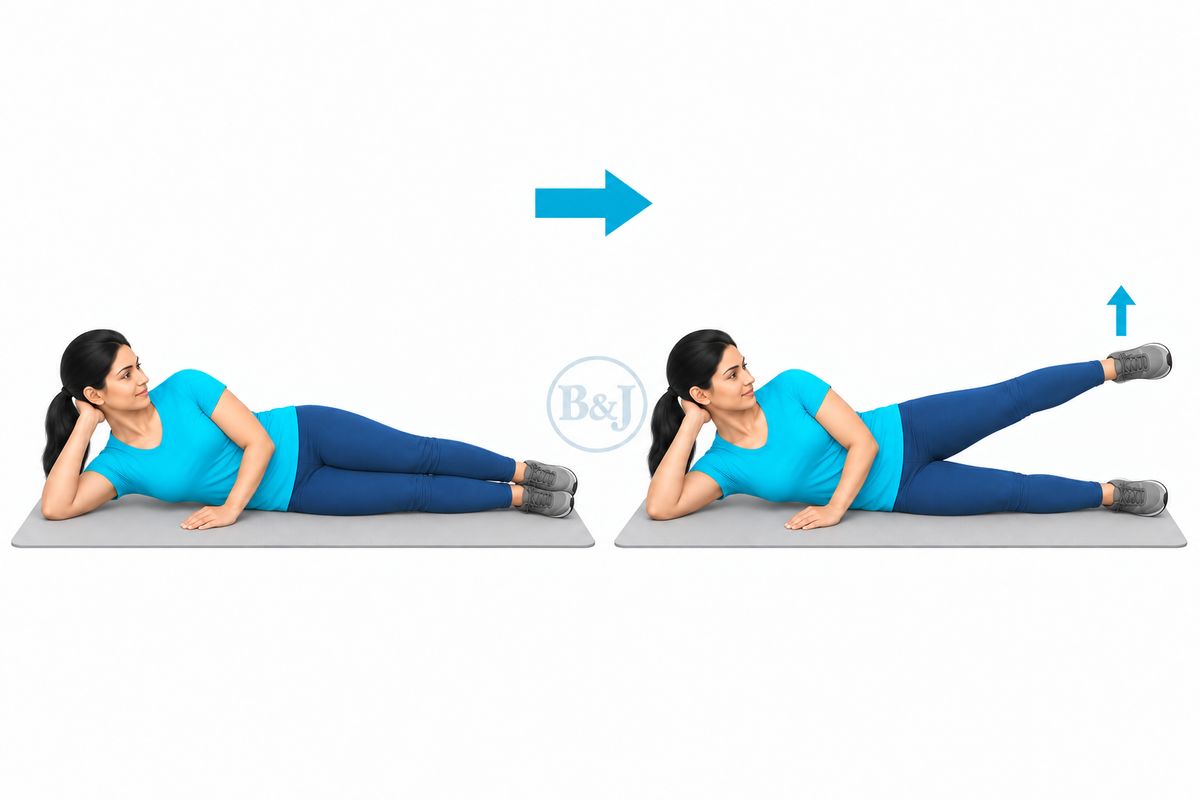
Side-lying hip lift
Lie on the UNAFFECTED side. Lift the top leg straight up.
15 times
Daily
Should feel: The side of the hip workingShould not feel: Back pain
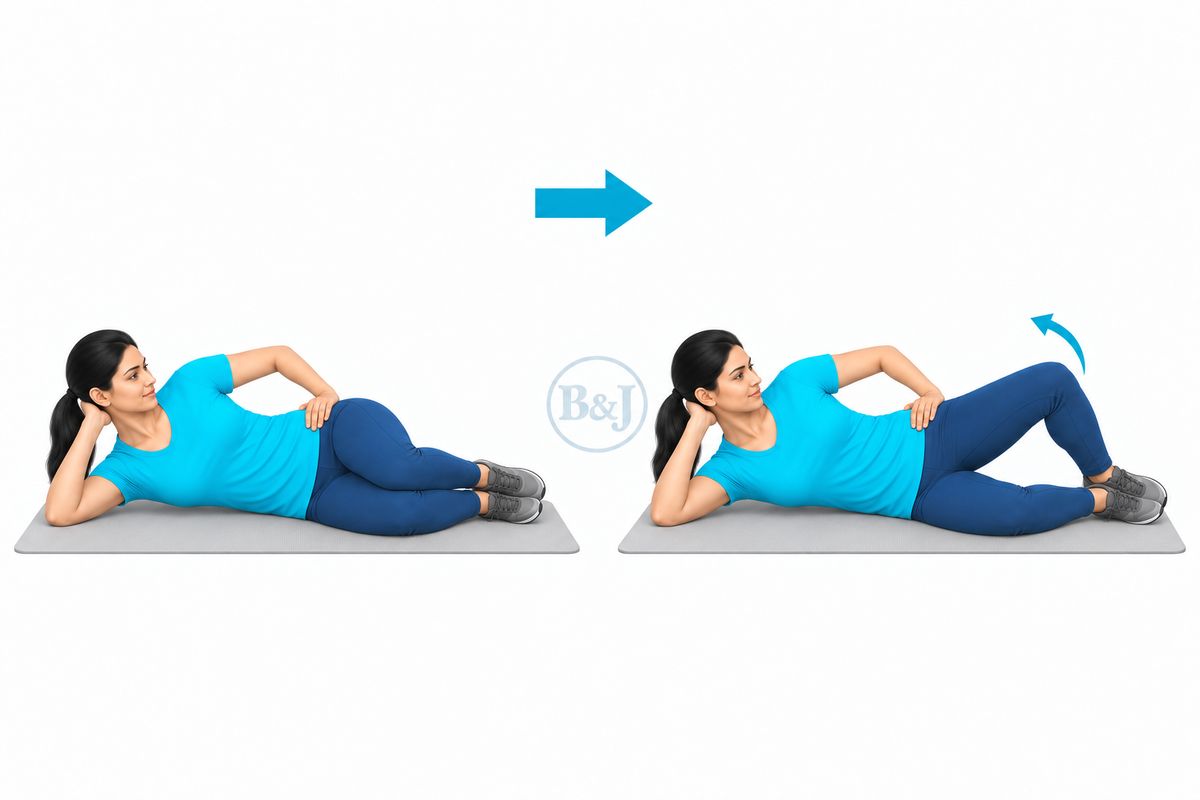
Clamshell
Lie on your side, knees bent. Lift the top knee, keeping the feet together and the hips still.
15 times
Daily each side
Should feel: The side of the buttock workingShould not feel: The hips rolling back
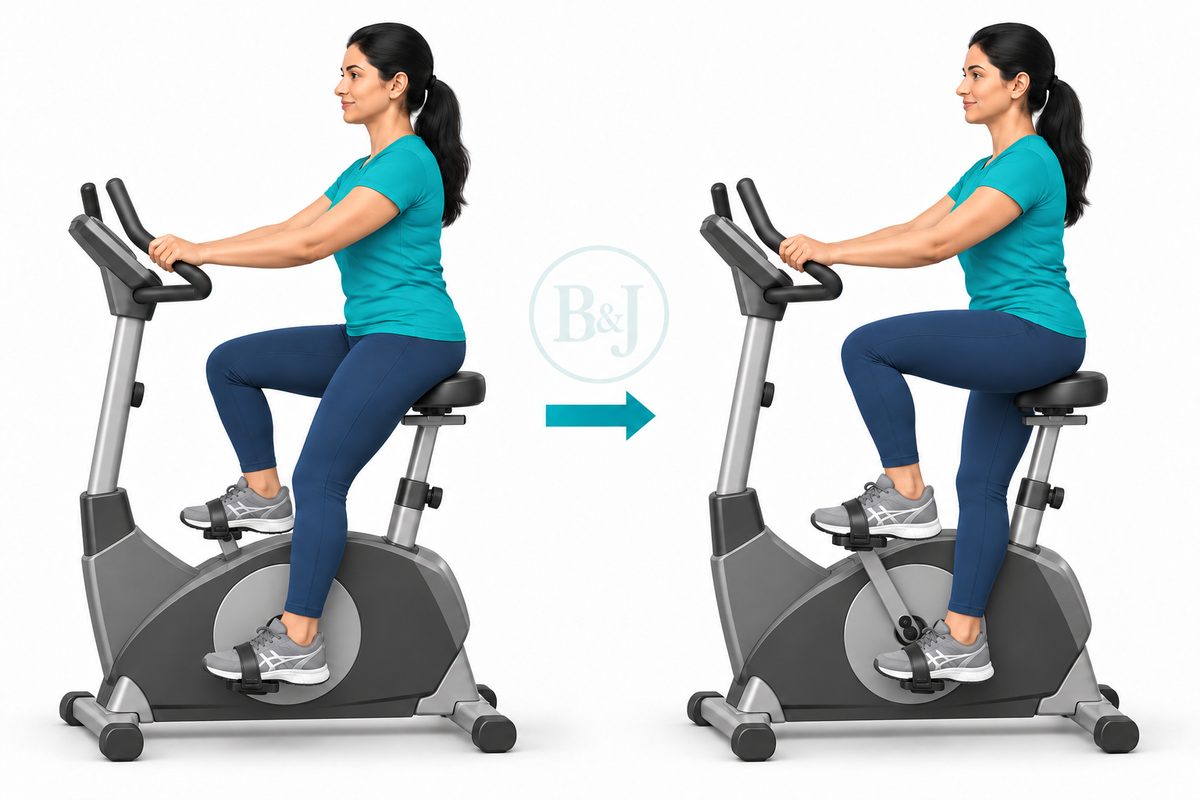
Static cycling
Set the seat high, so the knee is almost straight at the bottom. Get on and off holding a support, standing on the good leg. Pedal gently with little resistance.
10 minutes
Most days
Should feel: The hip and knee moving freelyShould not feel: Pain in the knee or hip
Stop and telephone us if
If you have sickle cell disease: chest pain, a cough, or fast breathing — go to the nearest hospital
Fever with a hot, painful hip — come the same day
If you have sickle cell disease: fever with a hot, painful arm or leg, or pain in one spot of a bone that does not settle — come the same day
The hip pain or the limp gets worse, or you can no longer put weight on the leg
Pain starts in the other hip
Ready when you are.
Call either clinic during consulting hours, or send a WhatsApp message any time.