Home / Patient library / Exercise sheets / Sheet 55

Polymyalgia rheumatica — keeping shoulders and hips moving

Bone & joint disease · Polymyalgia rheumatica (aching, stiff shoulders and hips)

How to use this sheet. Do the exercises slowly. Stop before the pain builds — mild discomfort is fine, sharp pain is not. A little every day beats a lot once a week. The stiffness is usually worst in the morning: do the exercises once it has eased, later in the day. Take the tablets exactly as prescribed; never stop them suddenly.

Print this sheet

A4 PDF, 0.5 MB. Free to download — no sign-up, no email address needed.

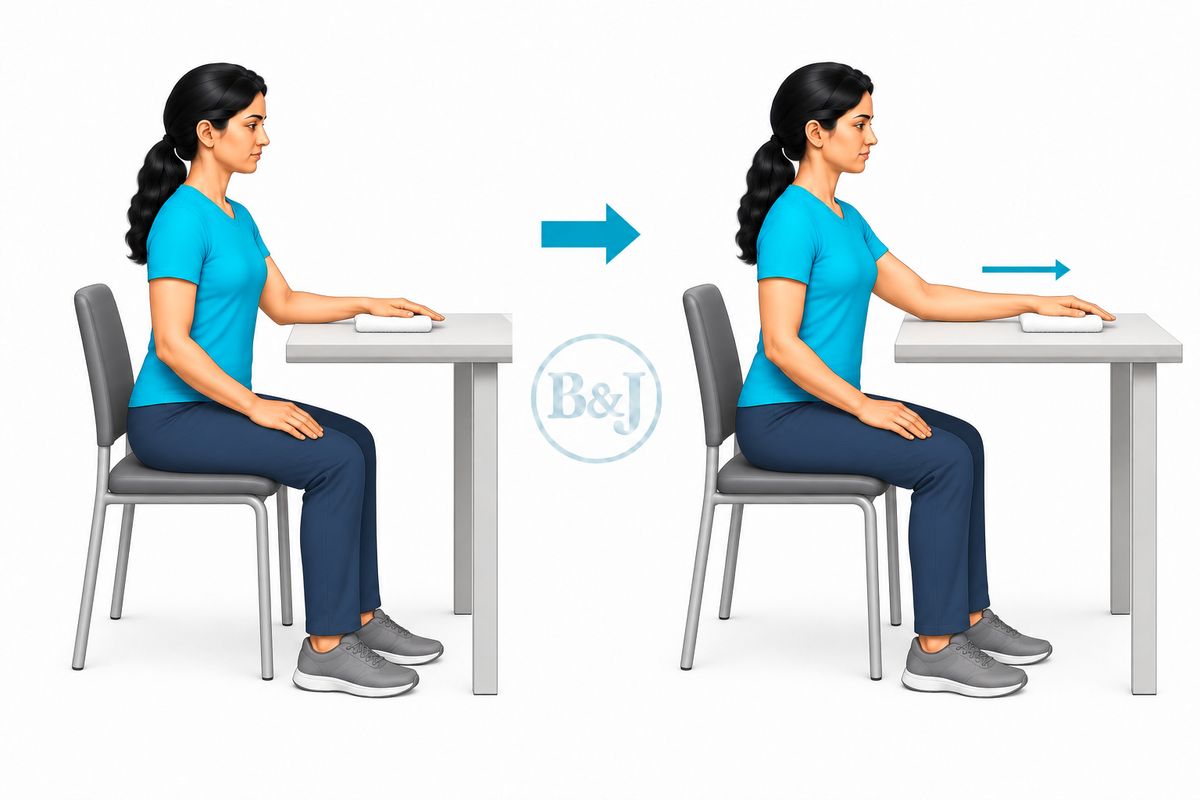
Table slide

Table slide

Sit at a table with your hand resting on a folded towel. Slide the hand forward as far as is comfortable, letting the body lean forward, then slide back.

  • 10 times
  • 3 times a day

Should feel: A stretch at the end of the range Should not feel: Pinching at the top
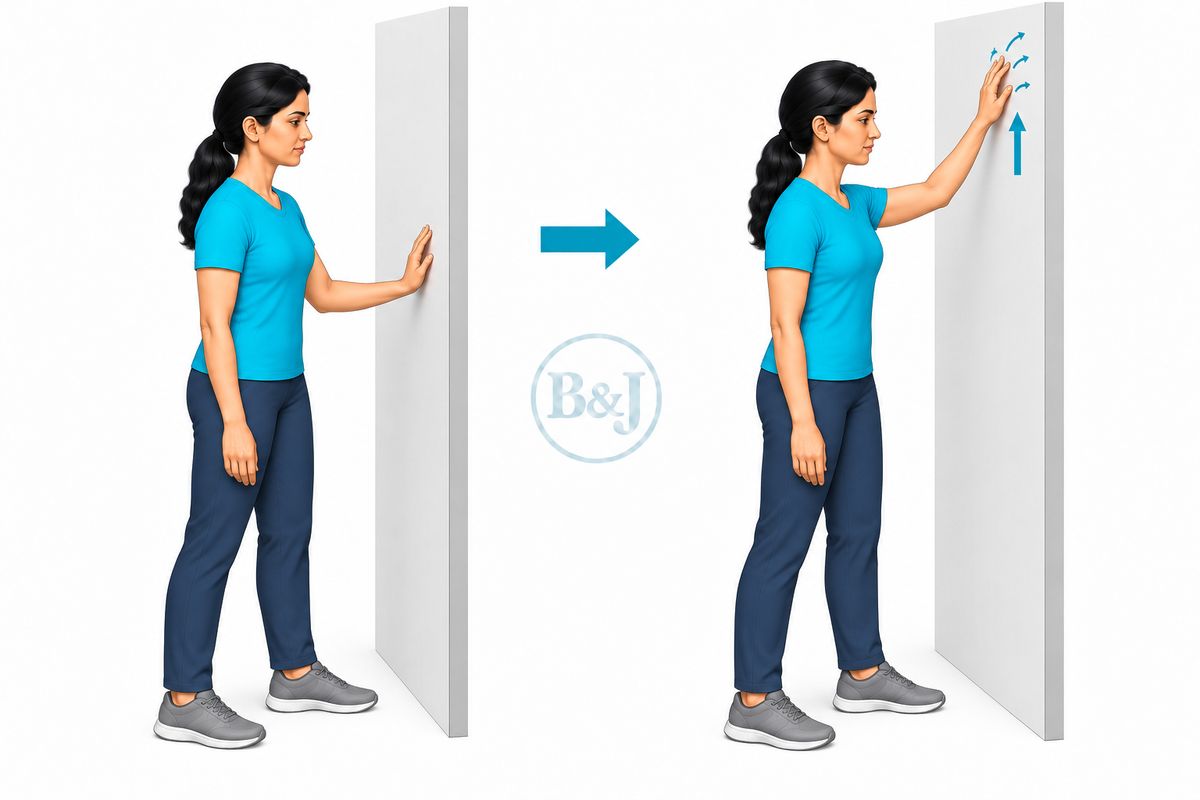
Wall climb

Wall climb

Face a wall, walk the fingers up as high as comfortable, hold, then walk down.

  • 5 times
  • 3 times a day

Should feel: A stretch overhead Should not feel: Shrugging to cheat height

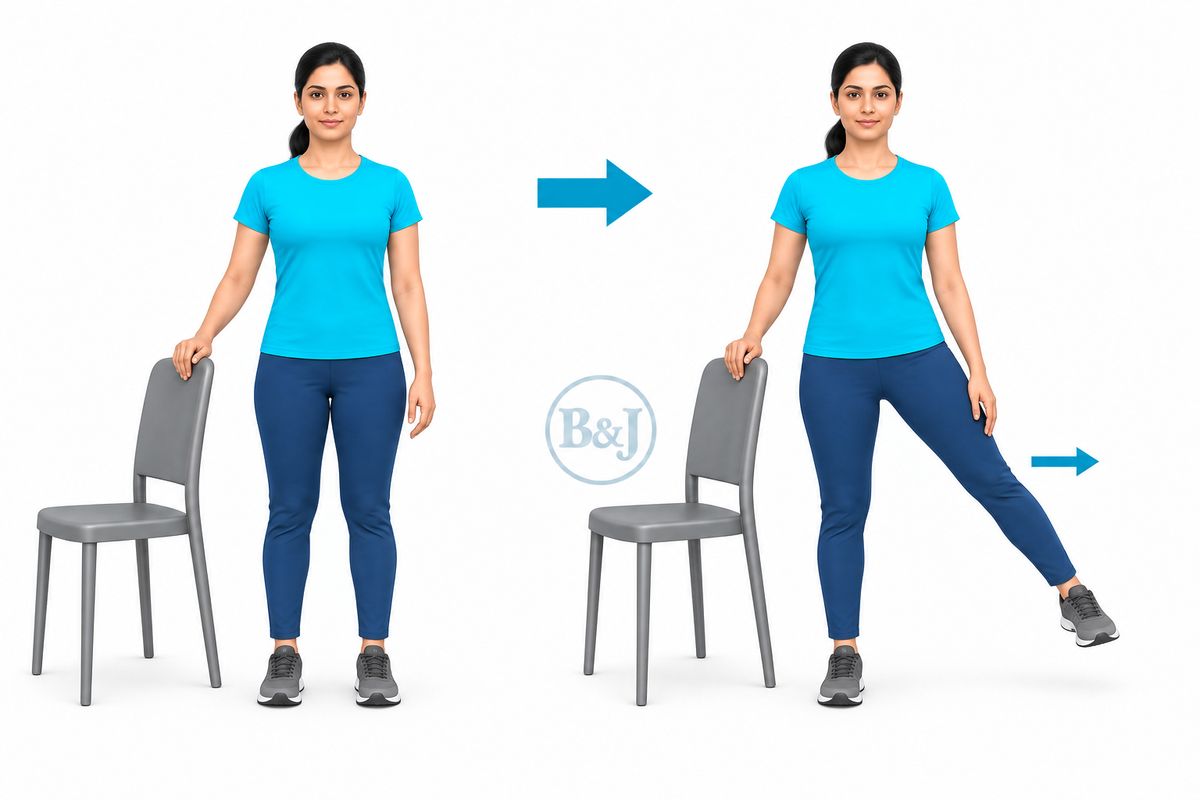
Standing hip abduction

Standing hip abduction

Hold a chair. Lift the leg out to the side, keeping the body upright.

  • 10 times
  • Daily each side

Should feel: The side of the hip working Should not feel: Leaning over

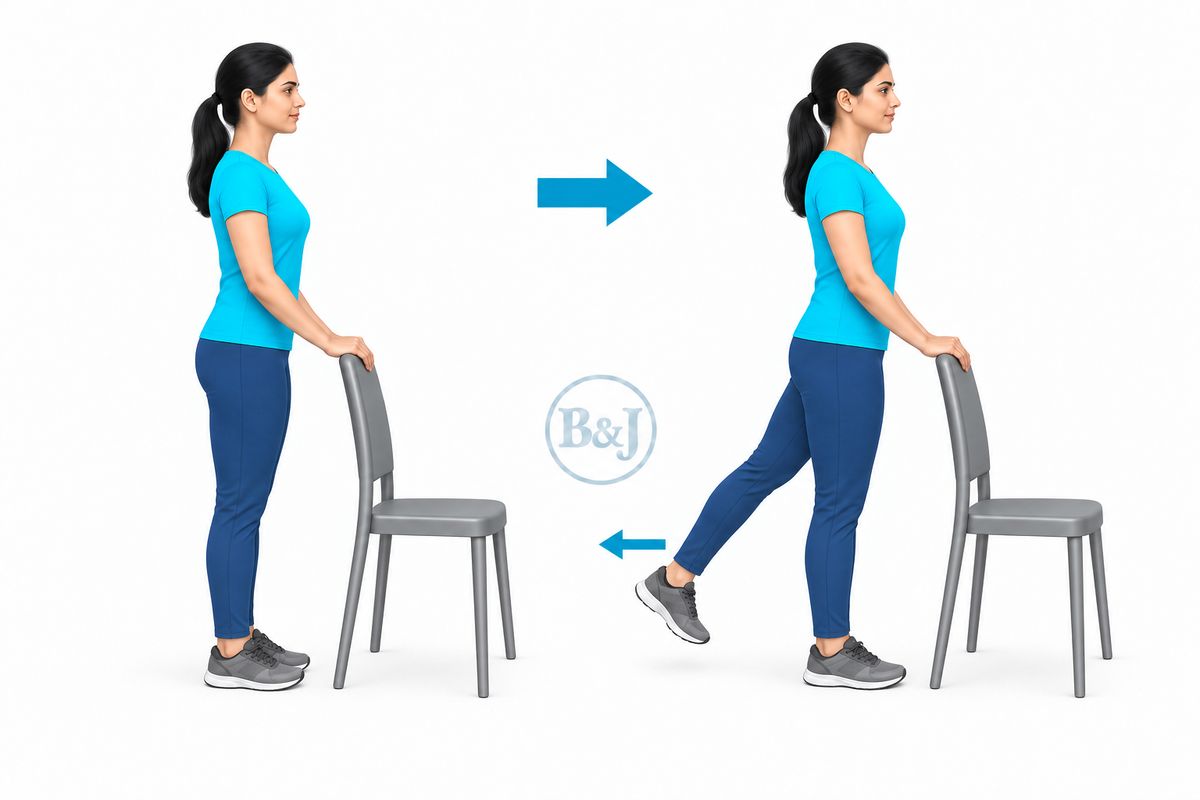
Standing hip extension

Standing hip extension

Hold a chair. Take the leg backwards, keeping it straight.

  • 10 times
  • Daily each side

Should feel: The buttock working Should not feel: Arching the back

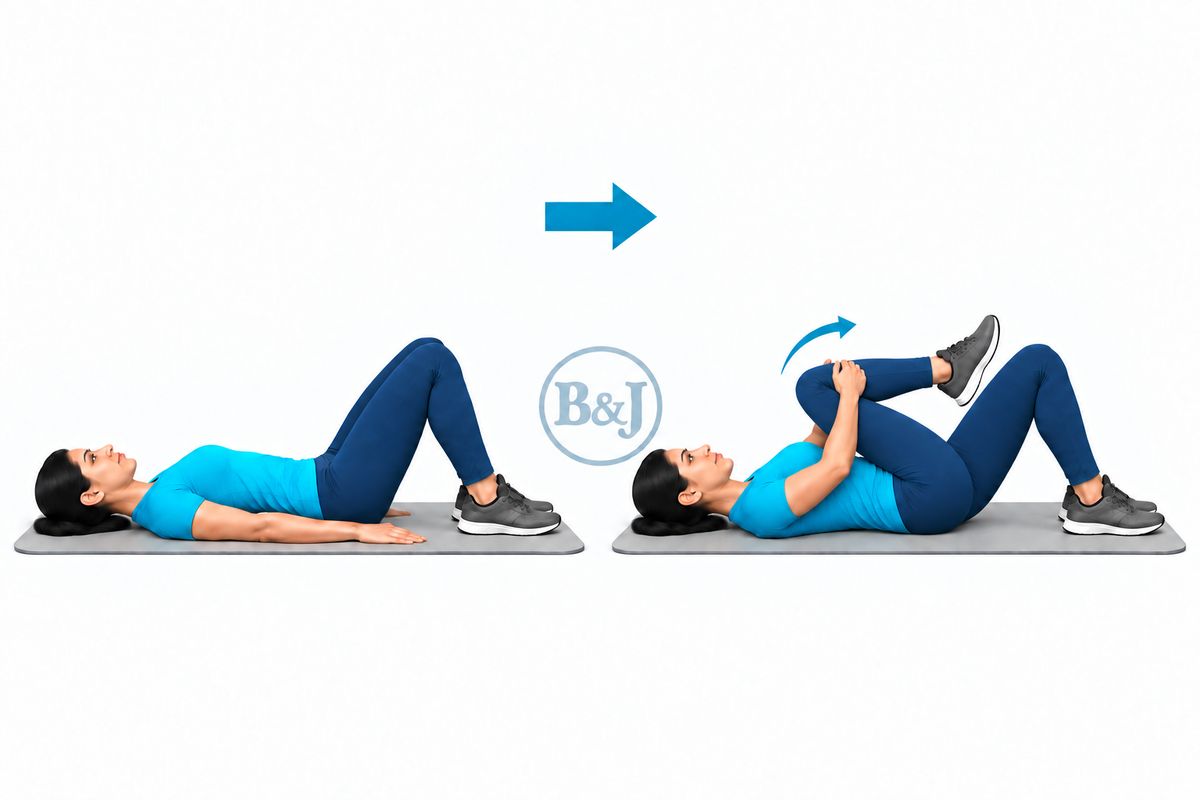
Knee to chest

Knee to chest

Lie on your back. Bring one knee up towards your chest, hold, then lower slowly.

  • Hold 15 seconds
  • 5 each side

Should feel: A stretch in the lower back and buttock Should not feel: Leg pain getting worse

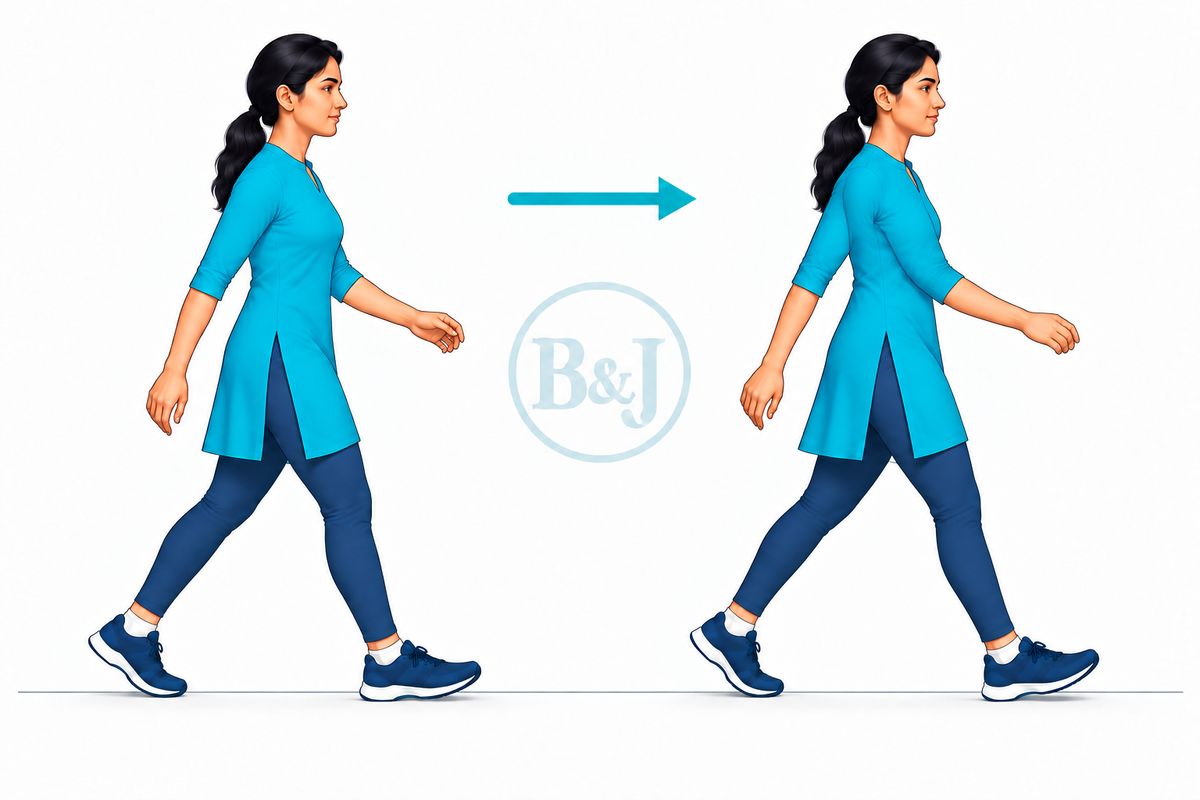
Walking

Walking

Walk daily, building distance slowly.

  • 20 minutes
  • Most days

Should feel: Easier walking Should not feel: Limping heavily — use a stick

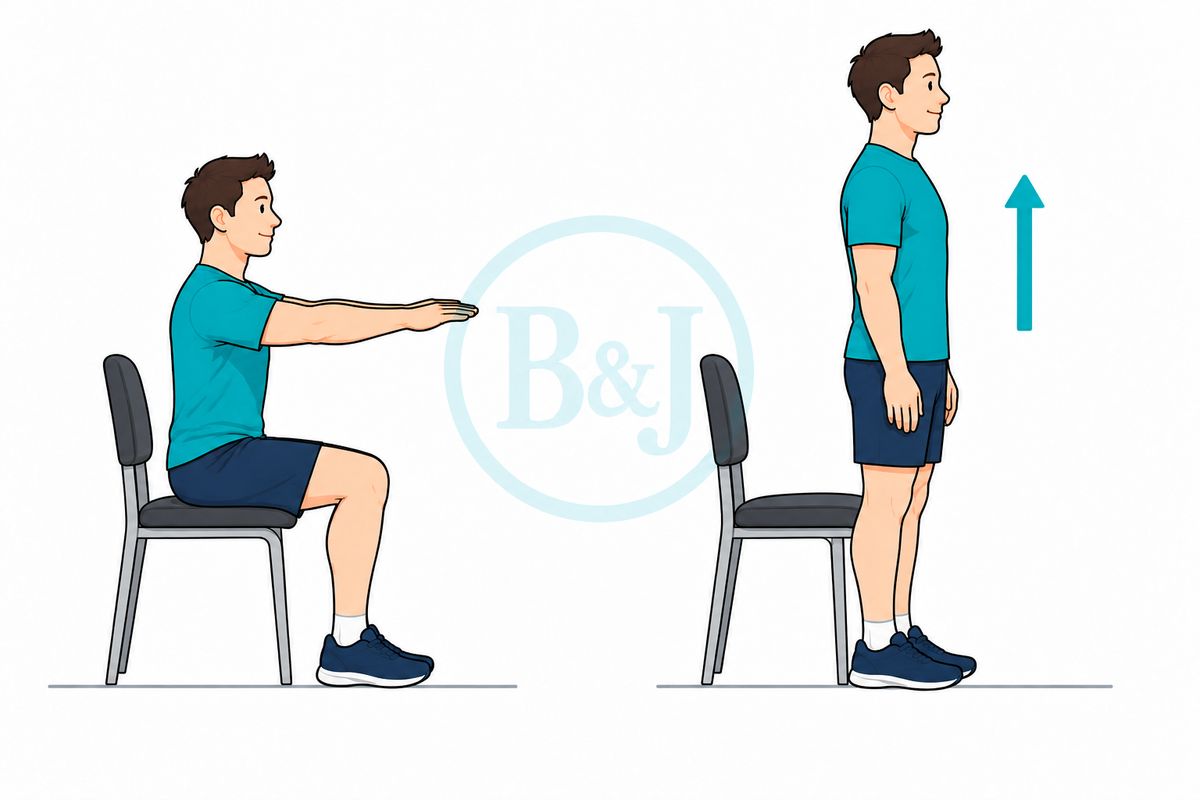
Sit to stand

Sit to stand

Sit on a firm chair with your feet flat and slightly behind the knees. Stand up, using your hands on your thighs only if you need to, then sit down slowly.

  • 10 times
  • Twice a day

Should feel: The thighs working Should not feel: Being unable to stand up even once the morning stiffness has eased — tell us

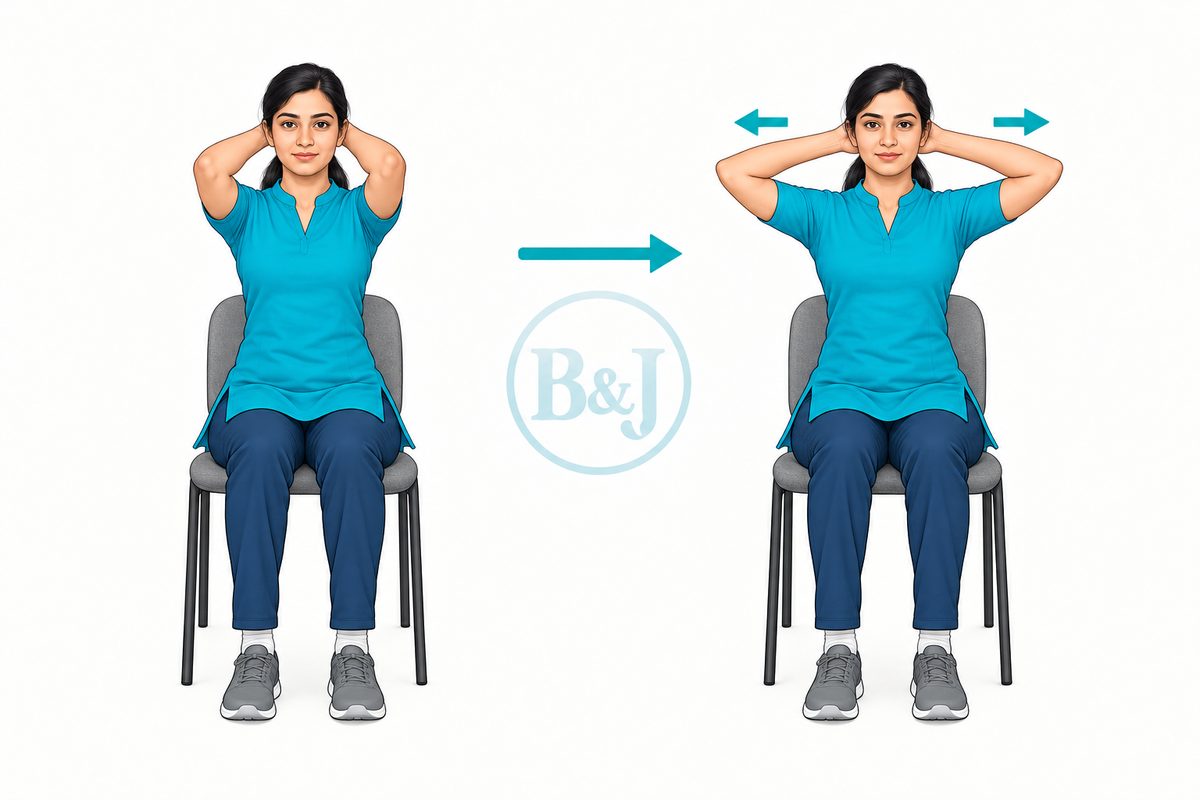
Hands behind the head

Hands behind the head

Sit or stand tall. Lift both hands and rest them behind your head, then slowly open the elbows out to the sides. Hold, then bring the elbows forward and lower the arms.

  • 10 times
  • Twice a day

Should feel: A stretch across the front of the shoulders Should not feel: Pinching at the top of the shoulder
Stop and telephone us if

  • A new headache, tenderness of the scalp, jaw pain while chewing, or any change in your vision — go to the hospital the same day
  • The muscles become truly weak: you cannot lift the arms or get up from a chair, even once the stiffness has eased
  • The pain and stiffness are not clearly better after starting the tablets
  • Pain at night, fever, or weight loss you cannot explain

Ready when you are.

Call either clinic during consulting hours, or send a WhatsApp message any time.