Home / Patient library / Exercise sheets / Sheet 08

Tailbone pain exercises

Neck & back · Tailbone pain (coccydynia)

How to use this sheet. Do the exercises slowly. Stop before the pain builds — mild discomfort is fine, sharp pain is not. A little every day beats a lot once a week. Sit on a wedge or ring cushion, and lean slightly forward when you sit. Avoid long sitting on hard seats. Sitting in a tub of warm water (a sitz bath) can ease the pain. Avoid constipation.

Print this sheet

A4 PDF, 0.3 MB. Free to download — no sign-up, no email address needed.

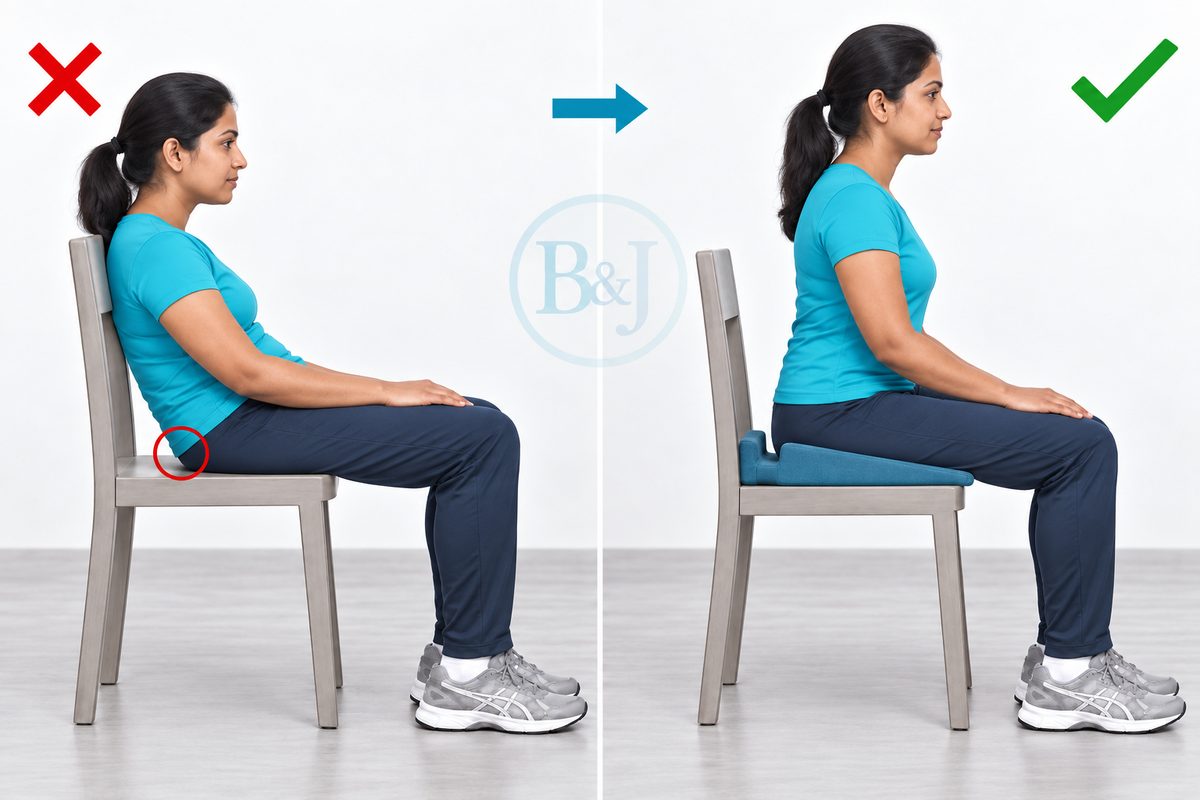
Sitting for tailbone pain

Sitting for tailbone pain

Sit on a wedge cushion with a cut-out at the back, or on a ring cushion, so that the tailbone does not touch the seat. Lean slightly forward, with your weight on the thighs. Get up and move about often. To stand up, lean forward first and push up with your hands.

  • All day
  • Every day

Should feel: Less pressure on the tailbone Should not feel: Leaning back or slumping onto the tailbone
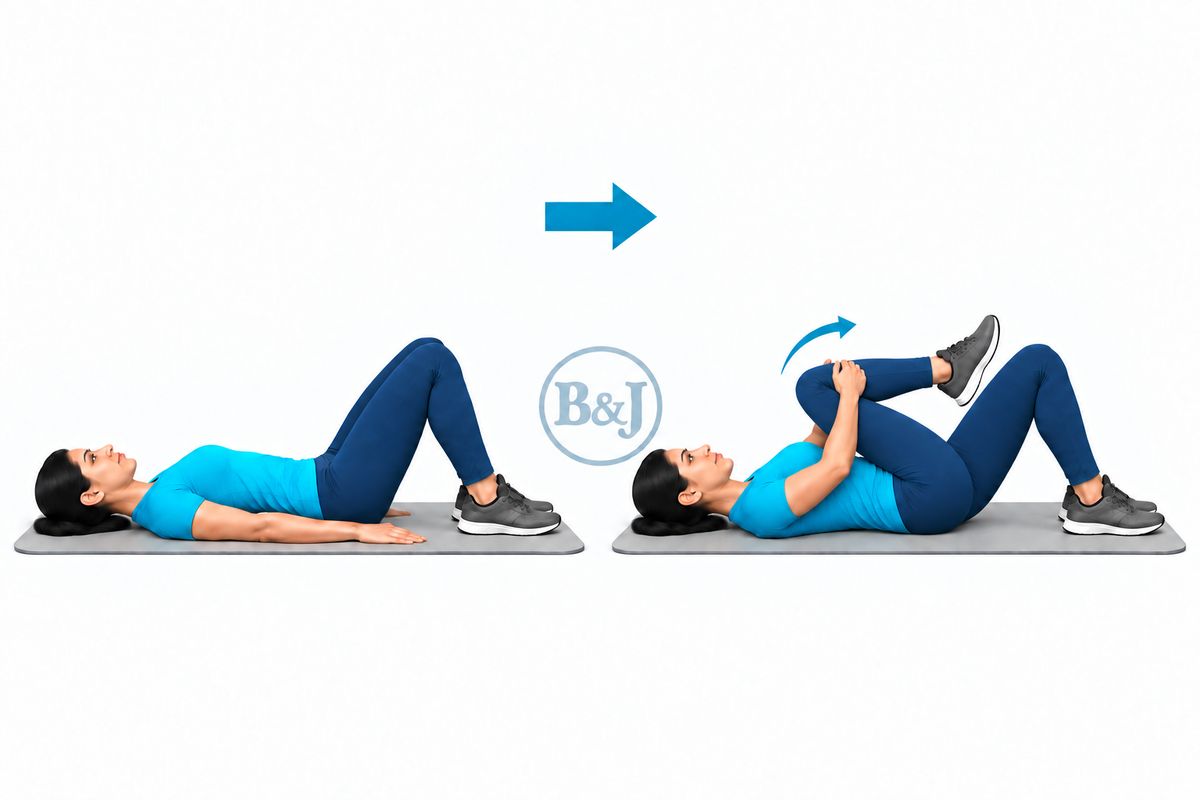
Knee to chest

Knee to chest

Lie on your back. Bring one knee up towards your chest, hold, then lower slowly.

  • Hold 15 seconds
  • 5 each side

Should feel: A stretch in the lower back and buttock Should not feel: Leg pain getting worse

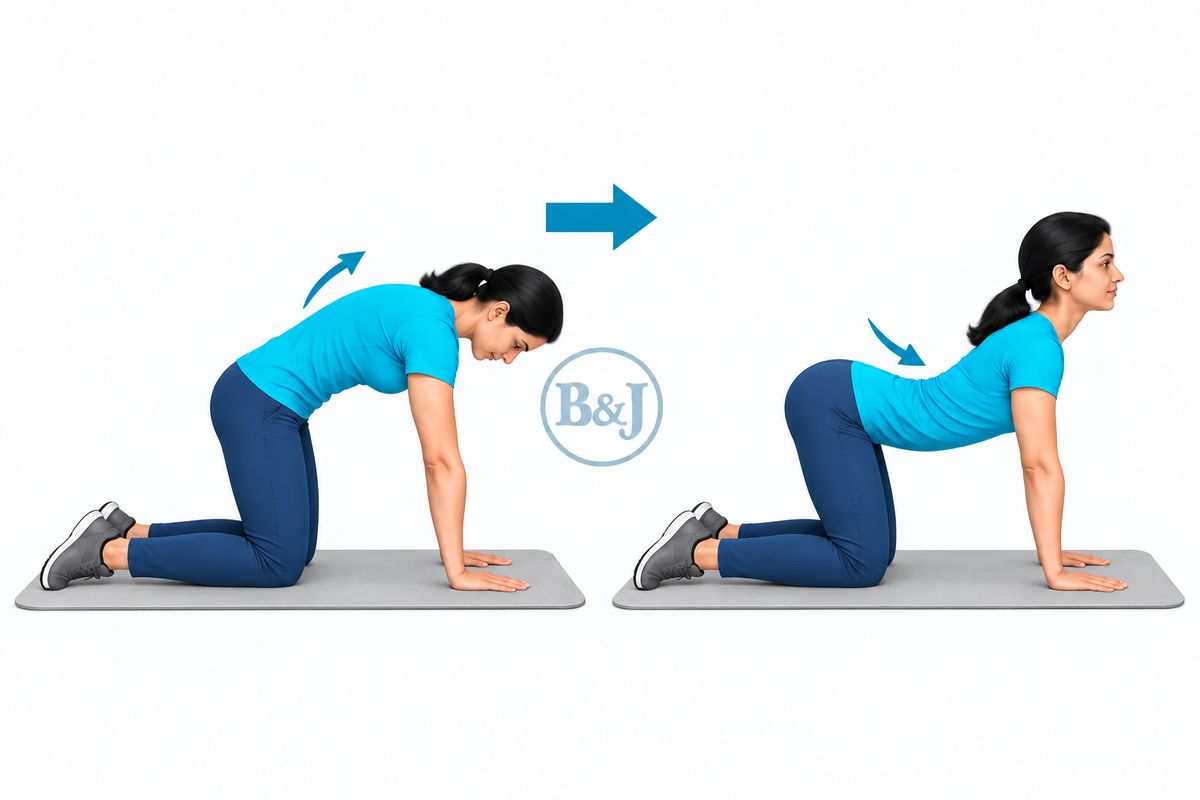
Cat and cow

Cat and cow

On hands and knees, arch the back up, then let it sag down. Move slowly between the two.

  • 10 times
  • 2 times a day

Should feel: The spine moving freely Should not feel: Sharp pain at either end

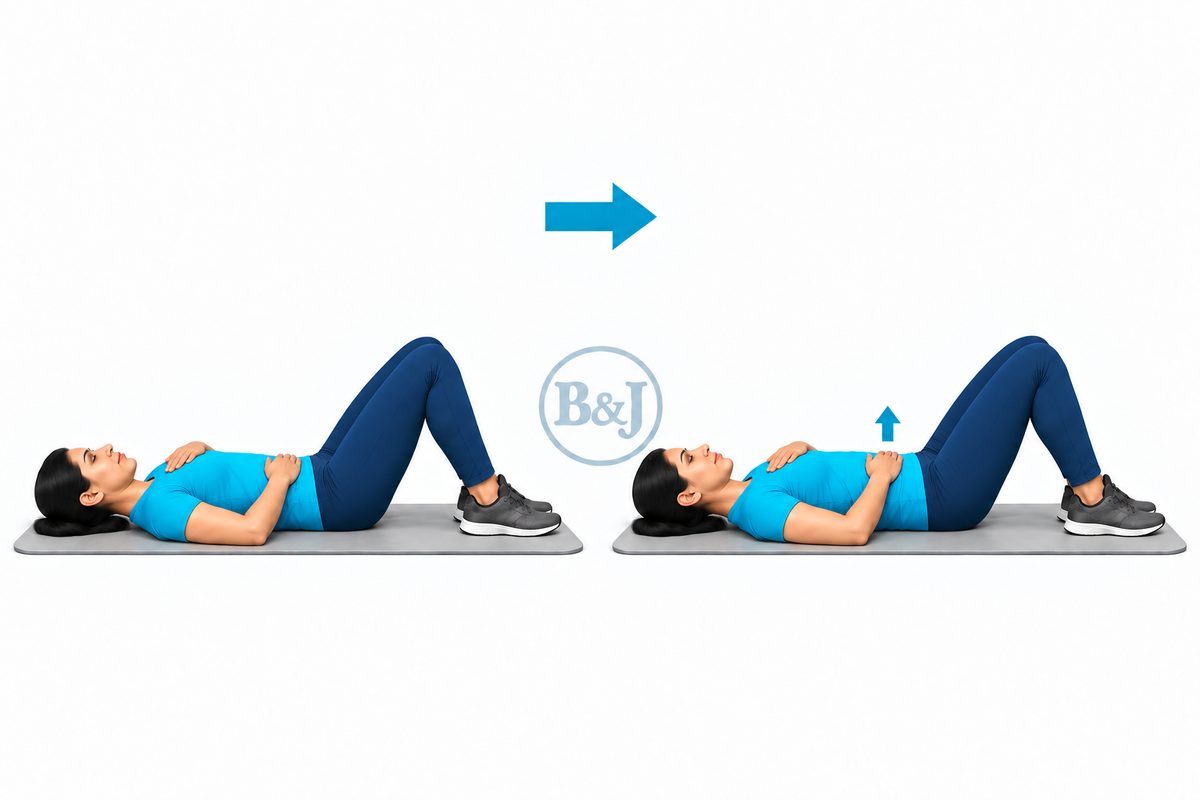
Belly breathing

Belly breathing

Lie on your back with the knees bent, one hand on the chest and one on the belly. Breathe in slowly through the nose so that the belly hand rises, then breathe out slowly. The chest hand stays still.

  • 5 minutes
  • Daily

Should feel: Calm, slow breathing Should not feel: Dizziness — breathe more gently

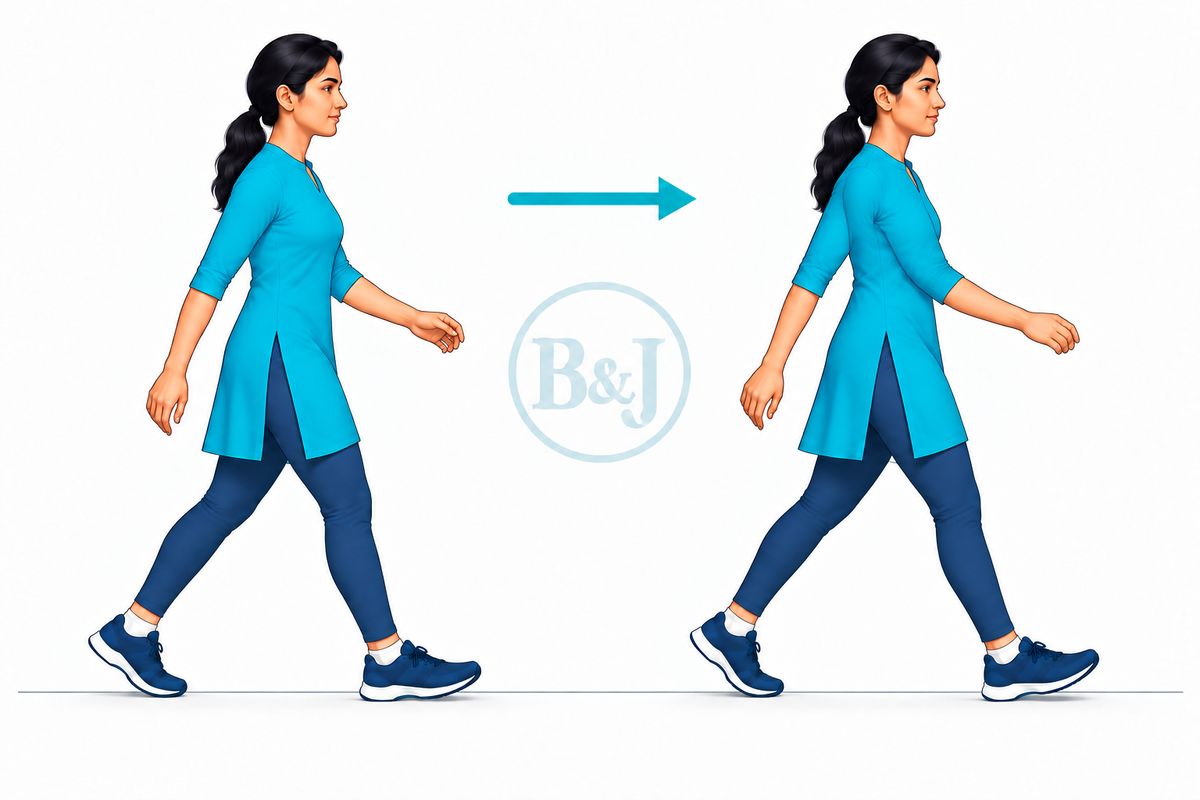
Walking

Walking

Walk daily, building distance slowly.

  • 20–30 minutes
  • Most days

Should feel: Easier walking Should not feel: Limping heavily — use a stick

Stop and telephone us if

  • The pain is getting worse, not better, after two weeks
  • You get new numbness, tingling or weakness
  • The skin over the tailbone becomes red, hot or swollen
  • You have a new hard fall or accident, or you cannot sit or walk because of the pain
  • You feel unwell or feverish

Ready when you are.

Call either clinic during consulting hours, or send a WhatsApp message any time.